
Legacy project
Bungoma Primary Schools Environment Project
A district wide school tree planting and environmental education programme, 2005–2010.
Overview
Learning that takes root in the schoolyard.
The Bungoma Primary Schools Environment Project emerged from a growing recognition that environmental restoration must begin with people, particularly young people, and with the landscapes in which they live and learn. Initiated through the Mary Munei Community Resource Centre (MCRC), it was conceived as a district wide tree planting and environmental education programme running from 2005 to 2010.
Its ambition was to mobilise schools, communities, government agencies and private-sector partners around practical environmental conservation, biodiversity and the restoration of tree cover across Bungoma District.
Inspiration
Carrying forward the example of Wangari Maathai.
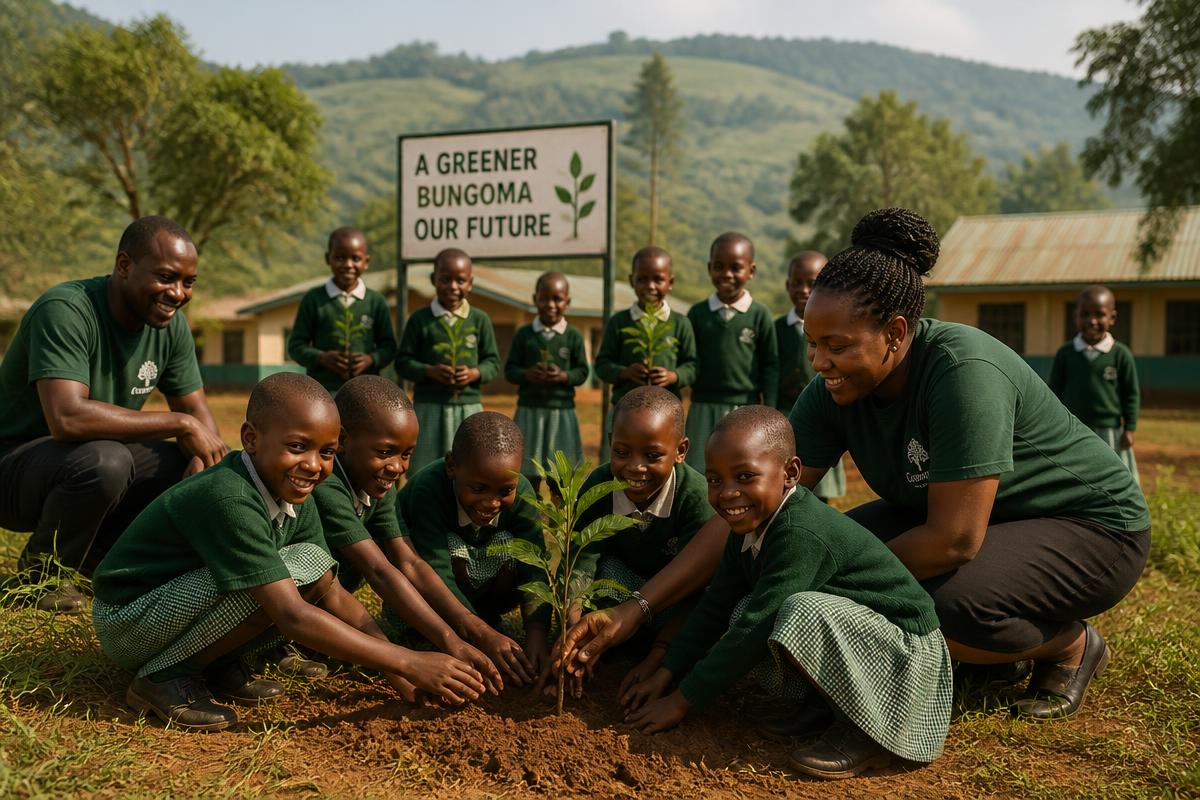
The programme was inspired by Professor Wangari Maathai, the Nobel Peace Prize Laureate, whose global leadership brought renewed attention to the inseparable relationship between the environment, communities and sustainable development. Her conviction that environmental restoration and human dignity are deeply connected shaped the programme’s spirit from the start.
Ambition and reach
Hundreds of thousands of trees. Nearly 300,000 children.
The programme sought to plant 5,000 tree seedlings in each primary school across Bungoma District, while promoting a diversity of trees for shade, windbreaks, timber, poles, firewood, fruit, fencing, beauty, soil conservation, indigenous knowledge and medicinal use.
It also emphasised appropriate species selection, quality seedlings and the management skills needed to ensure that trees survived and matured. Beyond planting, the programme was designed to provide environmental knowledge and extension services to more than 6,000 teachers and nearly 300,000 school children.
Trees for many purposes
- —Shade and windbreaks
- —Timber, poles and firewood
- —Fruit, fencing and beauty
- —Soil conservation
- —Indigenous knowledge
- —Medicinal use
Partnerships
Shared commitment from companies and public institutions.
A distinctive feature of the project was its commitment to partnership. Government departments, schools, communities and private-sector organisations were brought together around a common environmental objective. The project received important support and commitments from several companies, including:

Pan Paper Mills
Offered Eucalyptus grandis seedlings and follow-up visits to participating schools, and indicated willingness to purchase mature trees and firewood produced by the schools.

Mastermind Tobacco Kenya Limited
Committed 62,000 Eucalyptus seedlings, 4,000 Grevillea seedlings and additional indigenous varieties from its nursery programme.

BAT (K) Limited
Offered a quarter of the seedlings it planned to raise that year, including Grevillea, Casuarina and indigenous tree varieties.
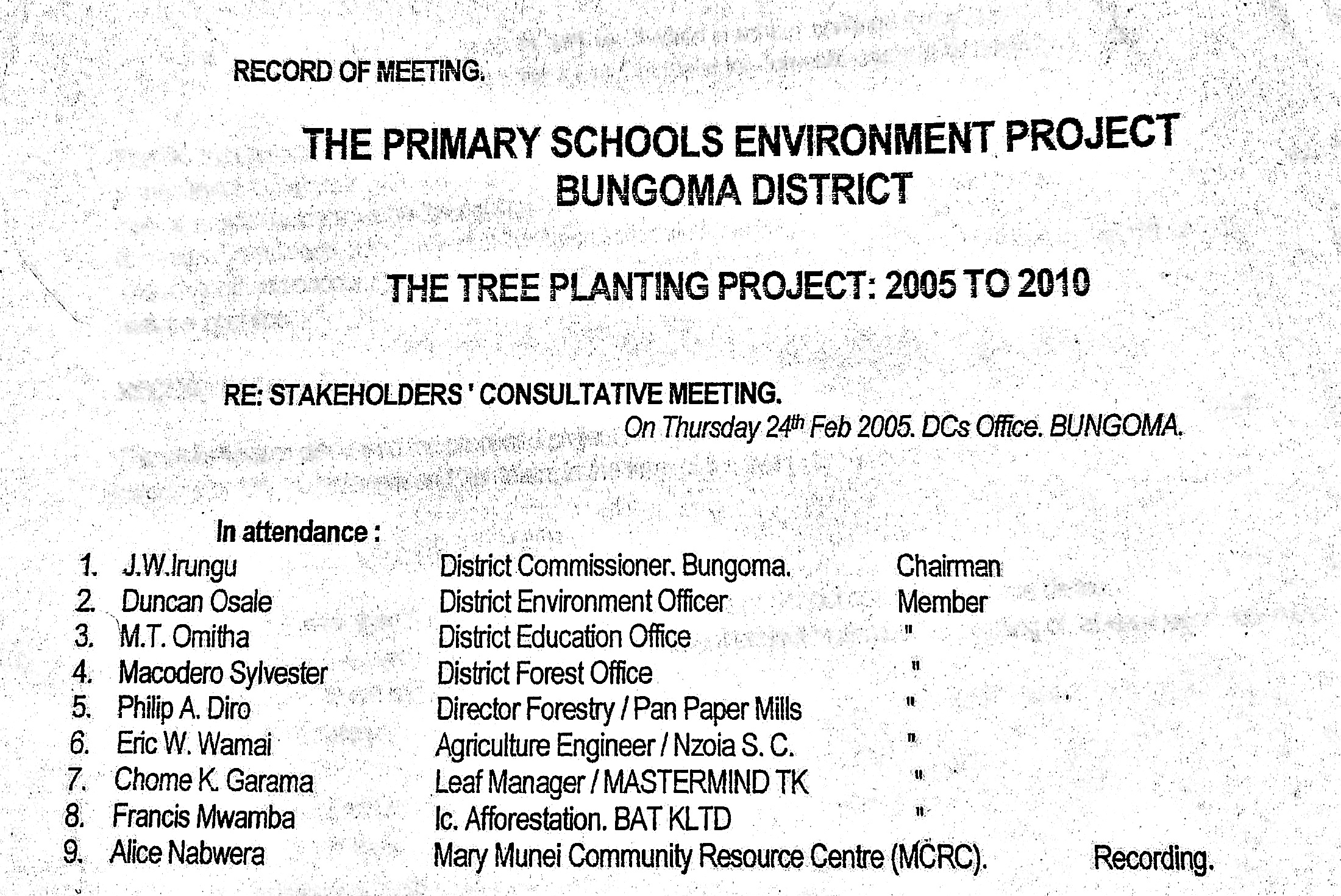
The original attendance record from the inaugural stakeholders’ consultative meeting: district officials, forestry and education officers, representatives of Pan Paper Mills, Mastermind Tobacco Kenya, BAT Kenya, and Mary Munei Community Resource Centre gathered around one table to shape the programme.
These partnerships demonstrated an important principle that remains central to the Foundation’s work today: meaningful landscape restoration requires collaboration across communities, government, schools, researchers and the private sector.
Legacy
From school compounds to a nine acre urban forest.
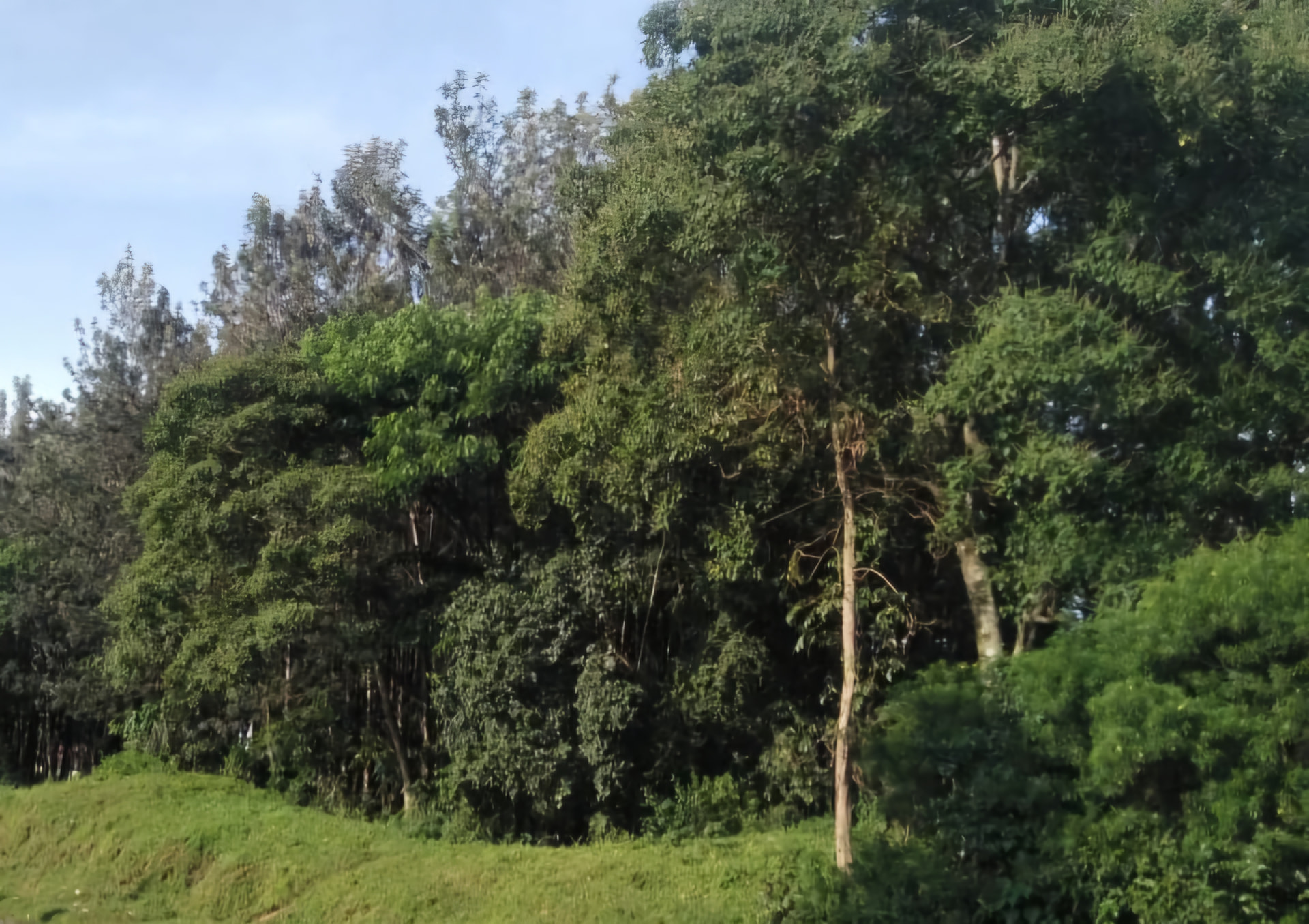
Although the formal project concluded, its legacy has continued to grow. The original site of the nursery has since developed into a nine acre urban forest, enduring proof of what sustained tree planting and stewardship can achieve.
- —Environmental knowledge and extension services reached more than 6,000 teachers and nearly 300,000 school children
- —Links were established with forestry authorities, KEFRI and local tree nurseries
- —Practical guidance on tree husbandry and species suitability continued beyond the formal project close
- —Ongoing tree planting support keeps the original commitment alive
From local action to landscape restoration
A continuing restoration journey.
This experience provides an important basis for the proposed Mount Elgon Ecosystem Restoration Initiative. The lessons learned from working across schools, communities, government institutions and private-sector partners — particularly the importance of local participation, ecological appropriateness, environmental education, quality planting material and long-term stewardship — can now inform a much broader landscape-level restoration effort.
What began in 2005 as an ambitious school based tree planting initiative has therefore evolved into a continuing restoration journey: from seedlings in school compounds, to a nine acre urban forest, and now towards a larger vision of restoring the Mount Elgon ecosystem, strengthening communities and protecting the ecological systems on which future generations depend.
Gallery
The schools project, in pictures.
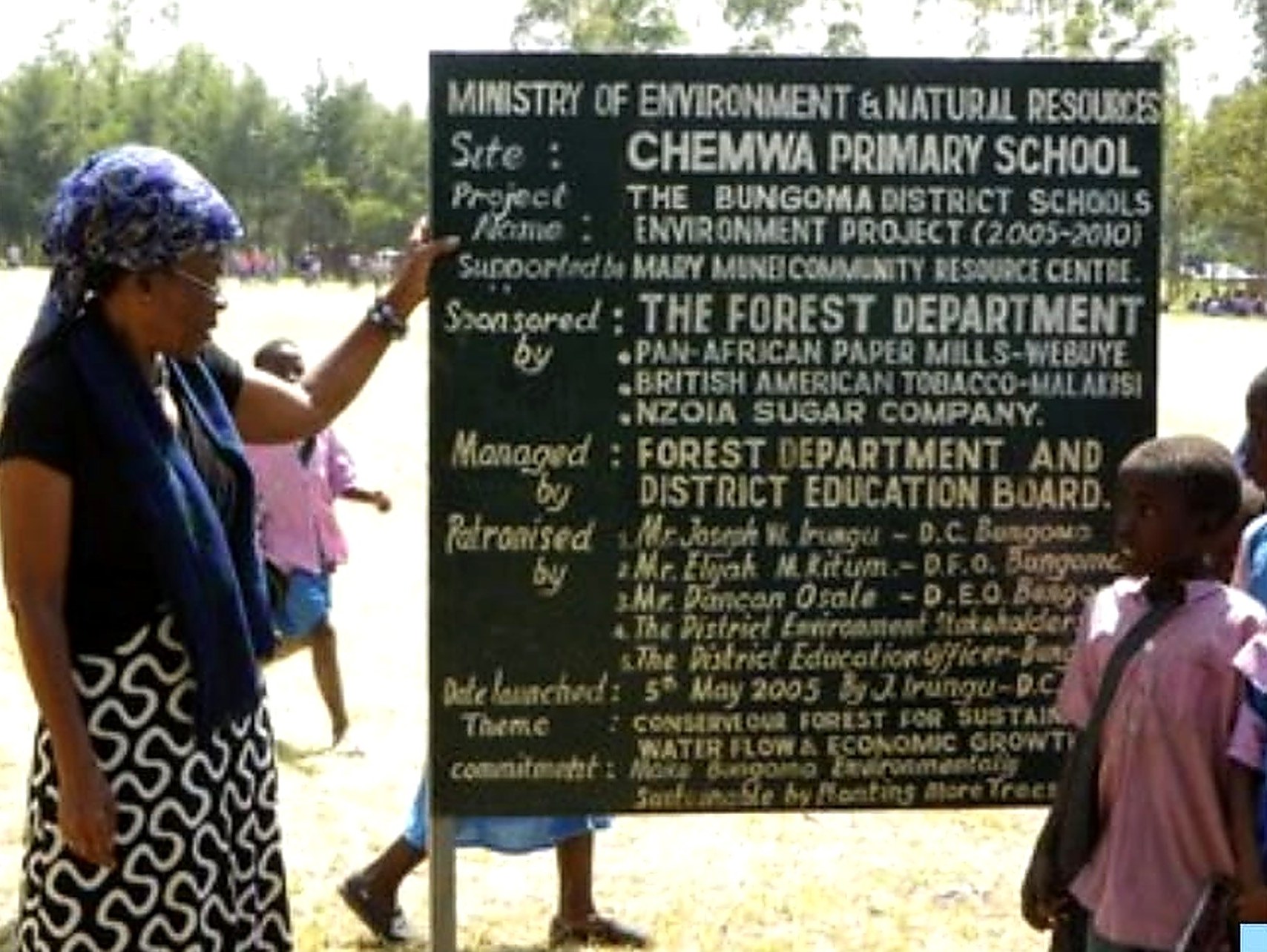
Chemwa Primary School
Alice Nabwera of MCRC at the project board marking a designated planting site within the Chemwa Primary School compound.
A project inspection visit
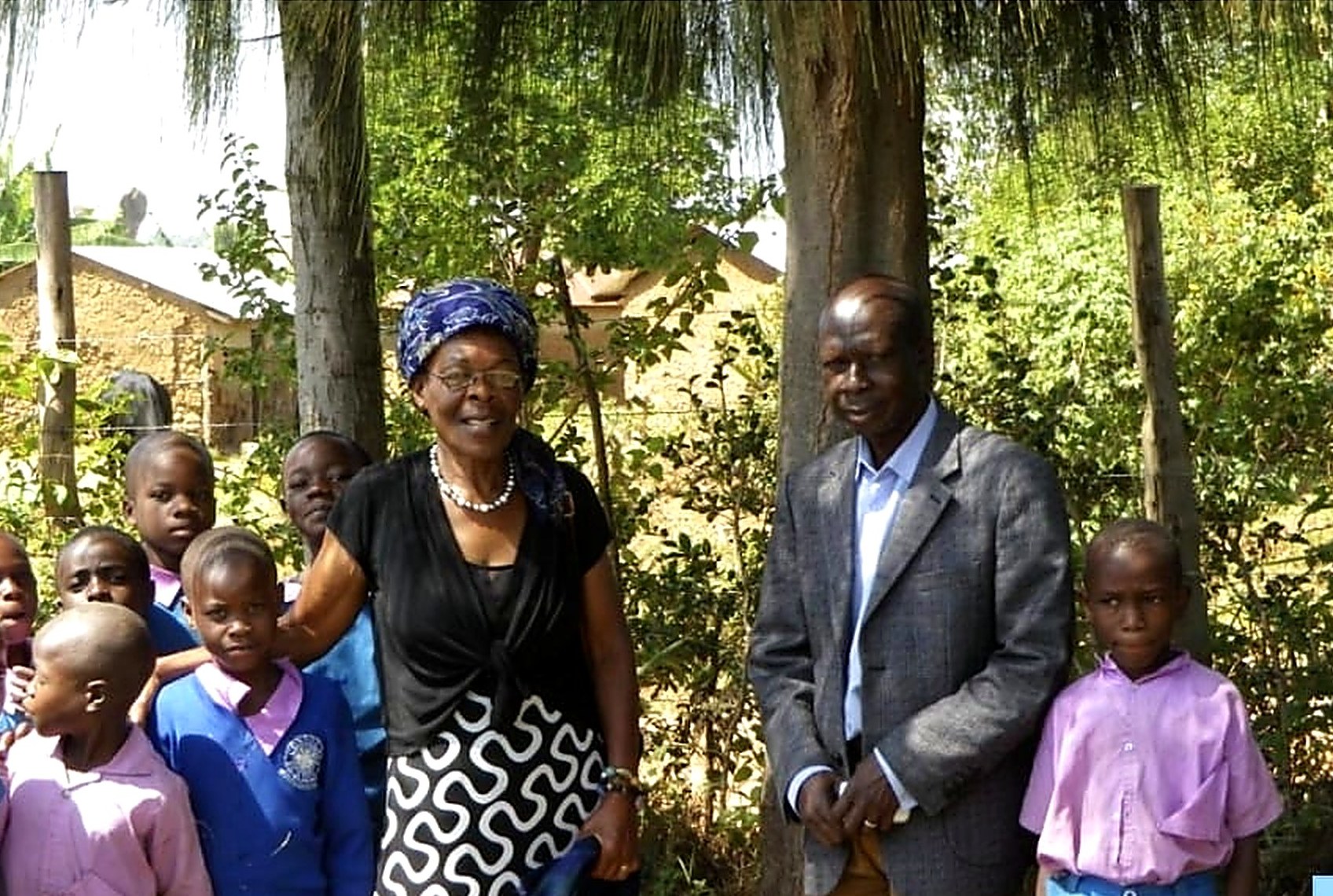
Alice Nabwera with Chemwa pupils and a school official during a routine inspection of the young woodlot.
Chemwa woodlot
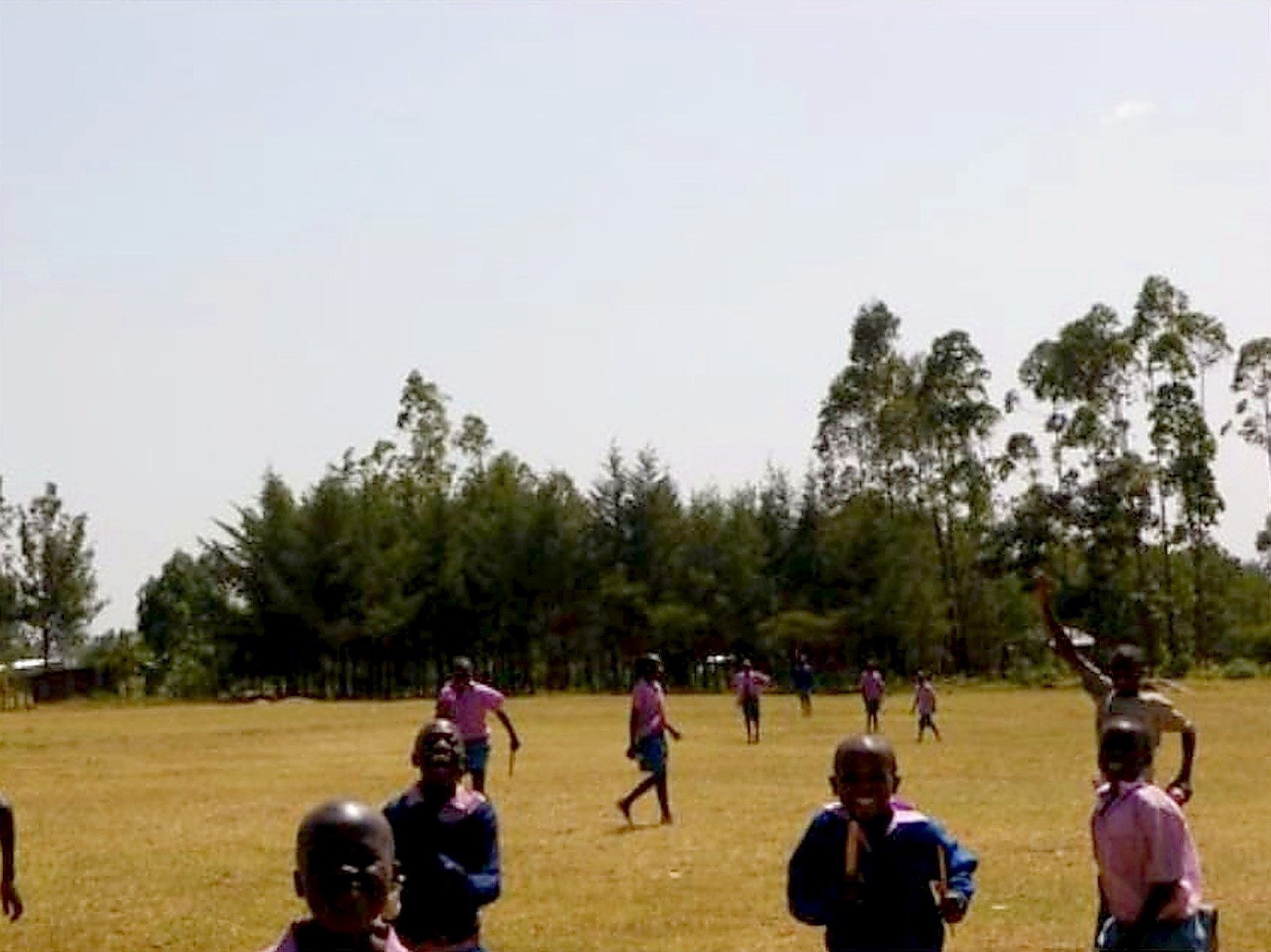
Pupils at play with the school woodlot standing tall behind them, planted through the project and tended by the school.
Sanandiki Primary School
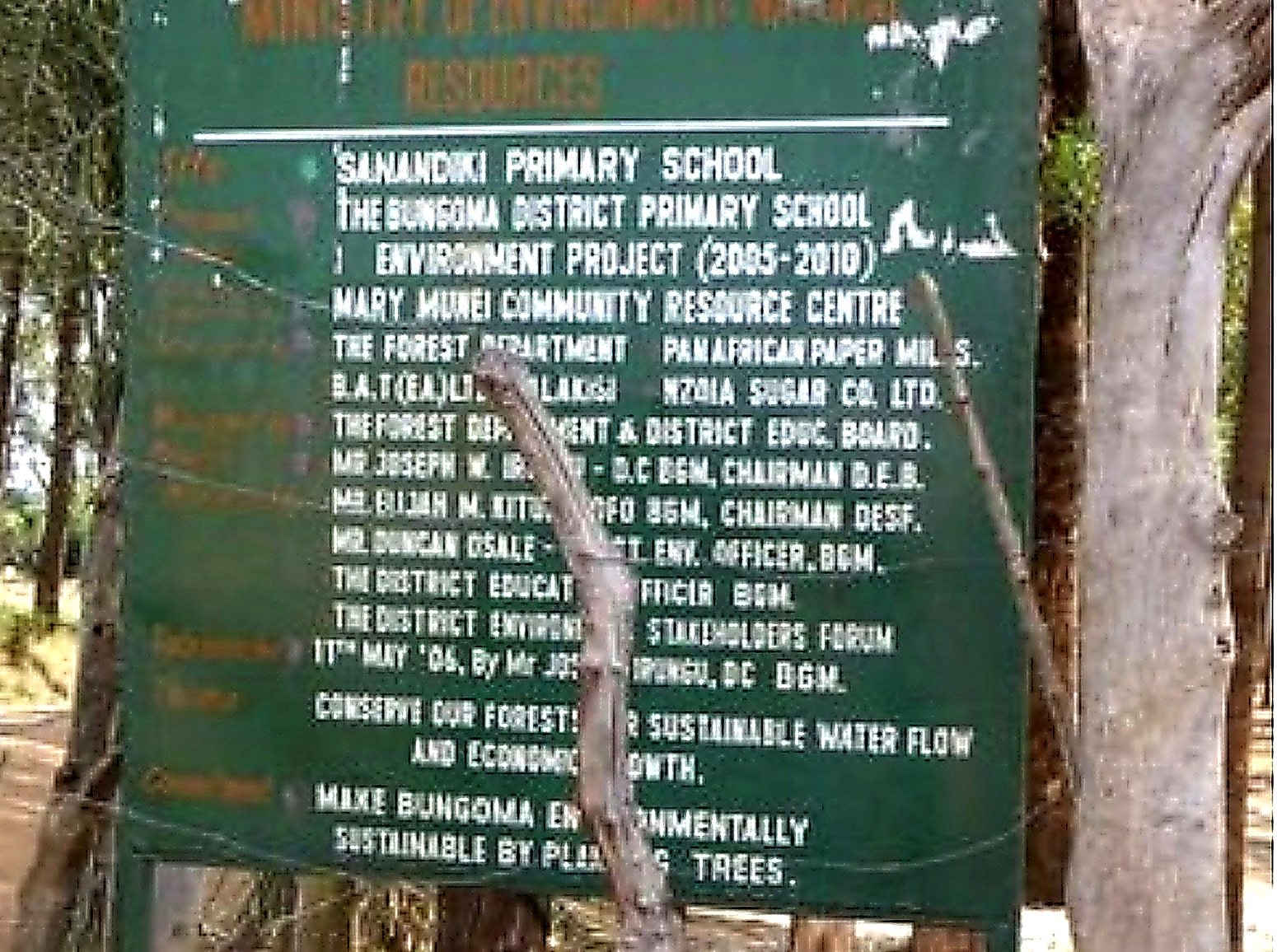
The project board at Sanandiki, listing the Forest Department, education board and private sector partners behind the work.
Sanandiki woodlot
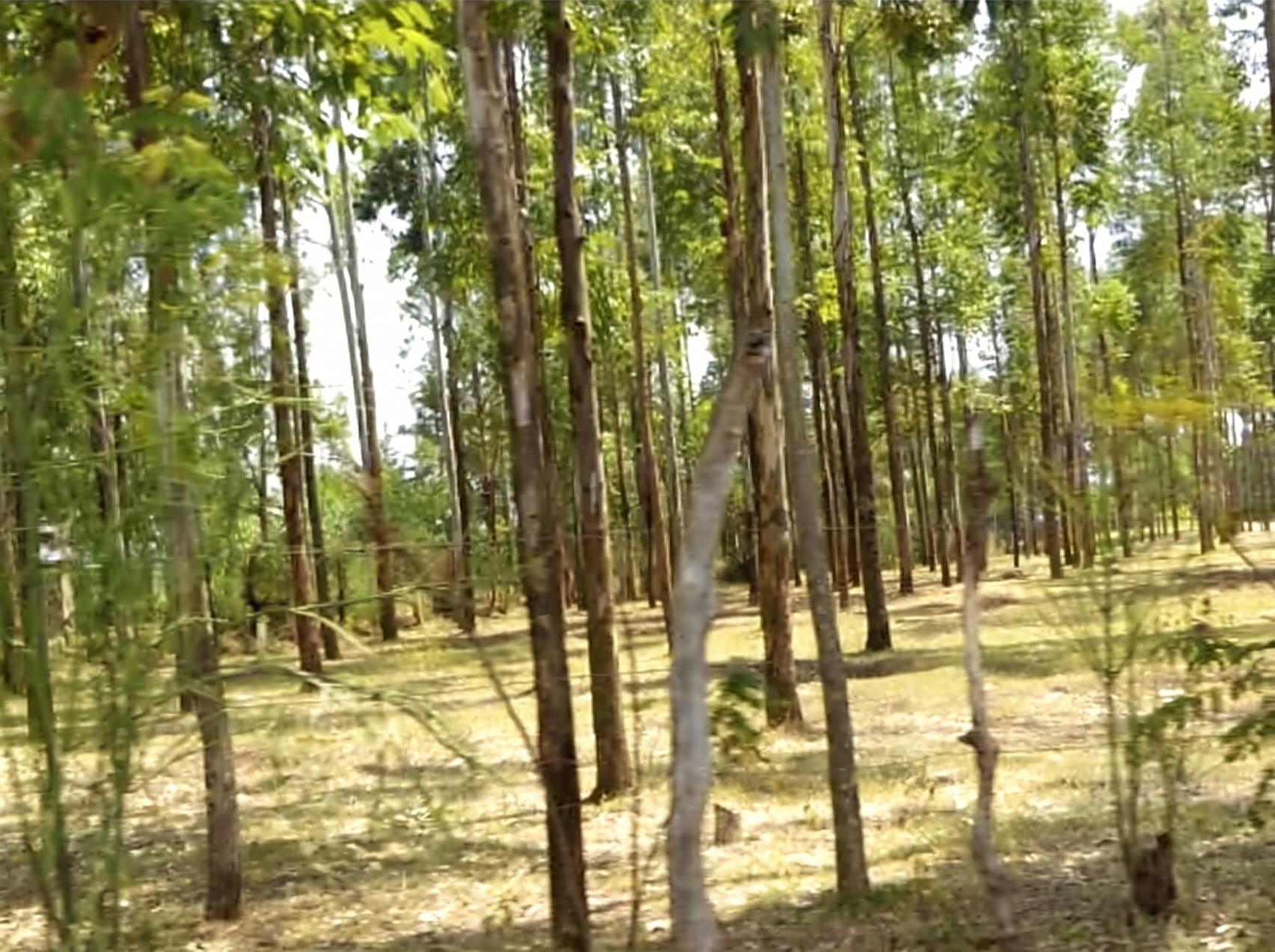
The Sanandiki woodlot is an established stand of trees, shading the ground and holding the soil.
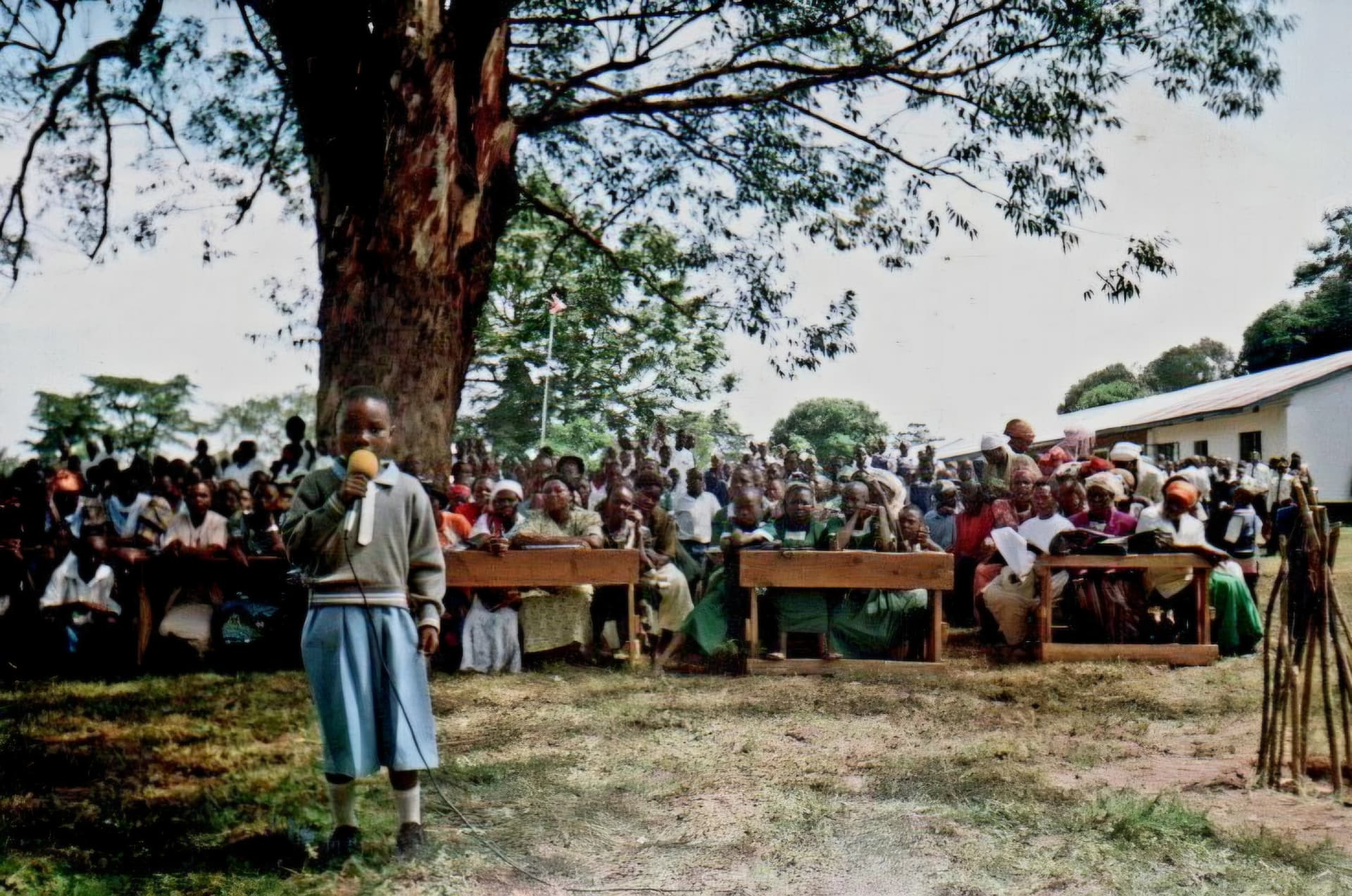
Pupil addressing the gathering
A pupil speaks into a microphone before a large community audience seated under the trees.
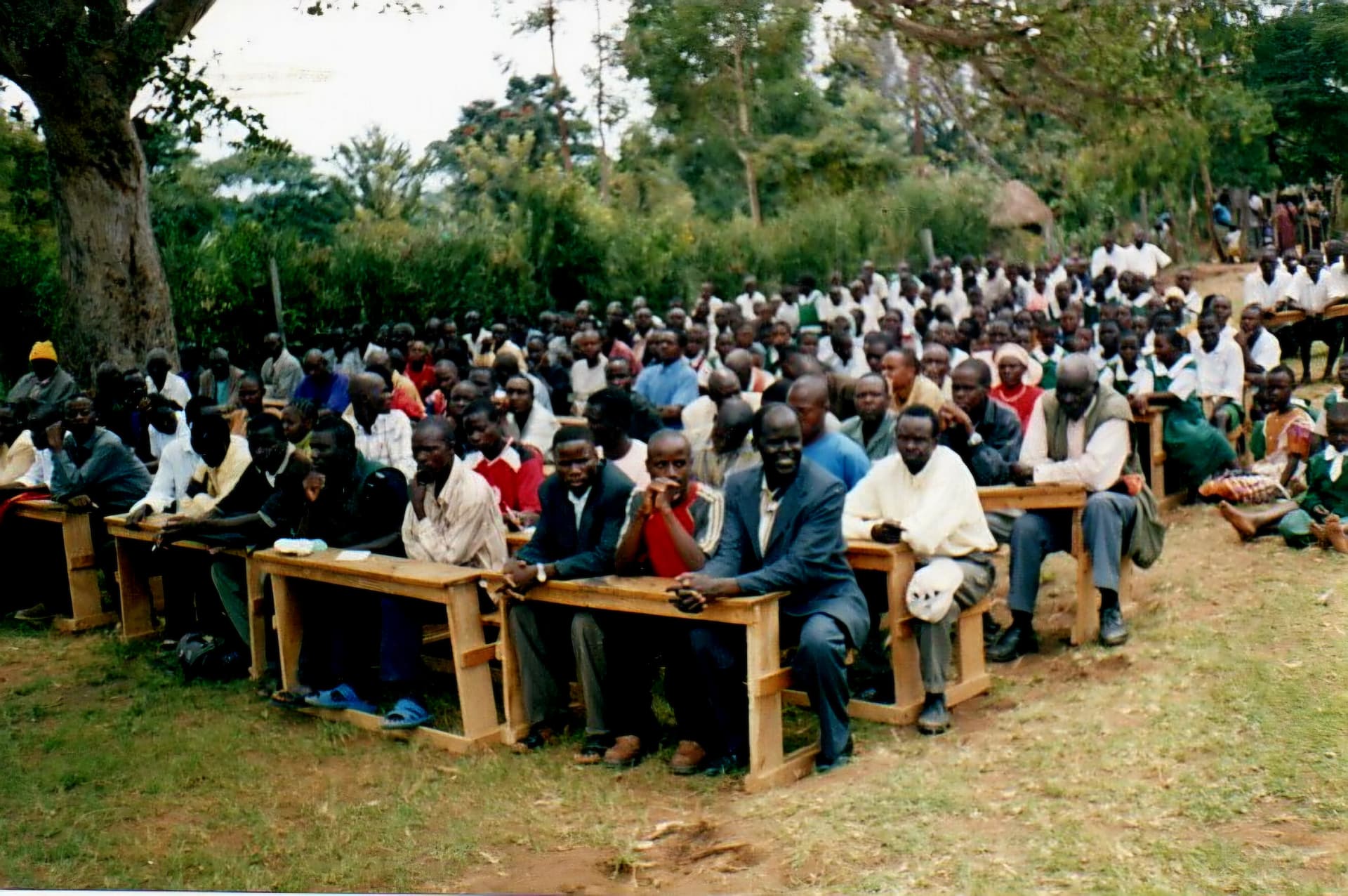
Community turnout
Parents, teachers and pupils assembled on benches for a project event.
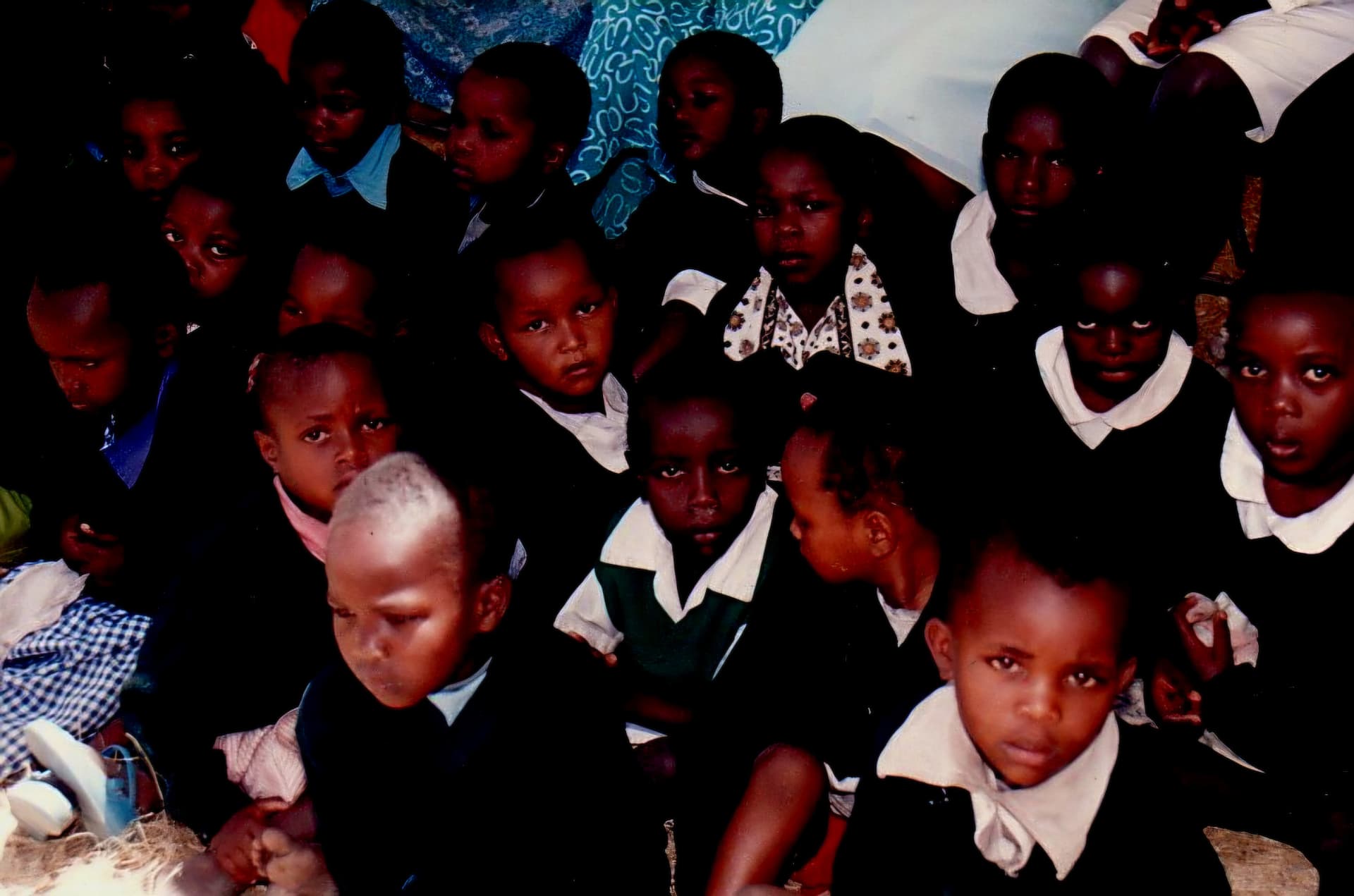
Pupils at the ceremony
Schoolchildren gathered closely at a project gathering.
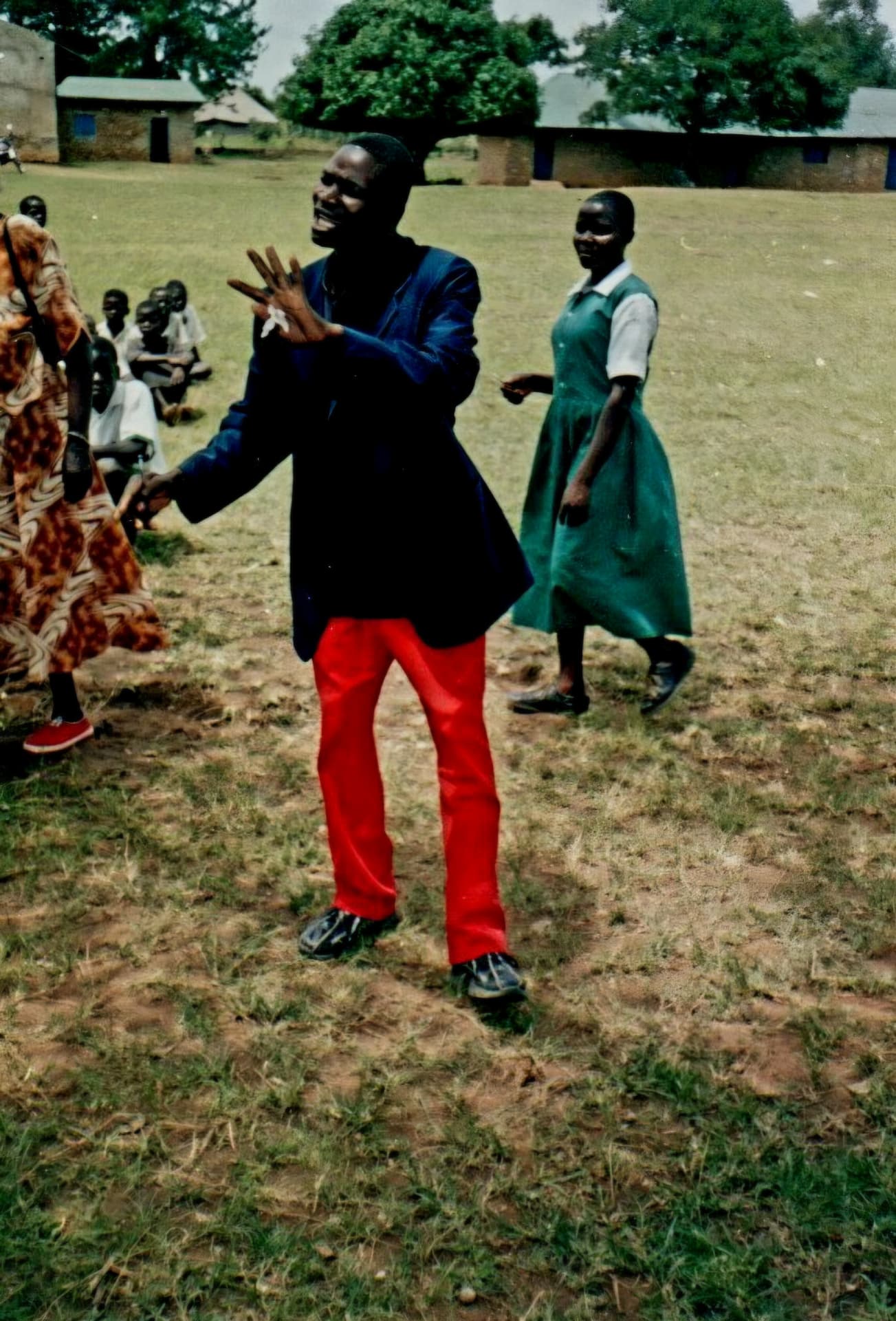
Song and dance
A performer leads entertainment on the school field during the event.
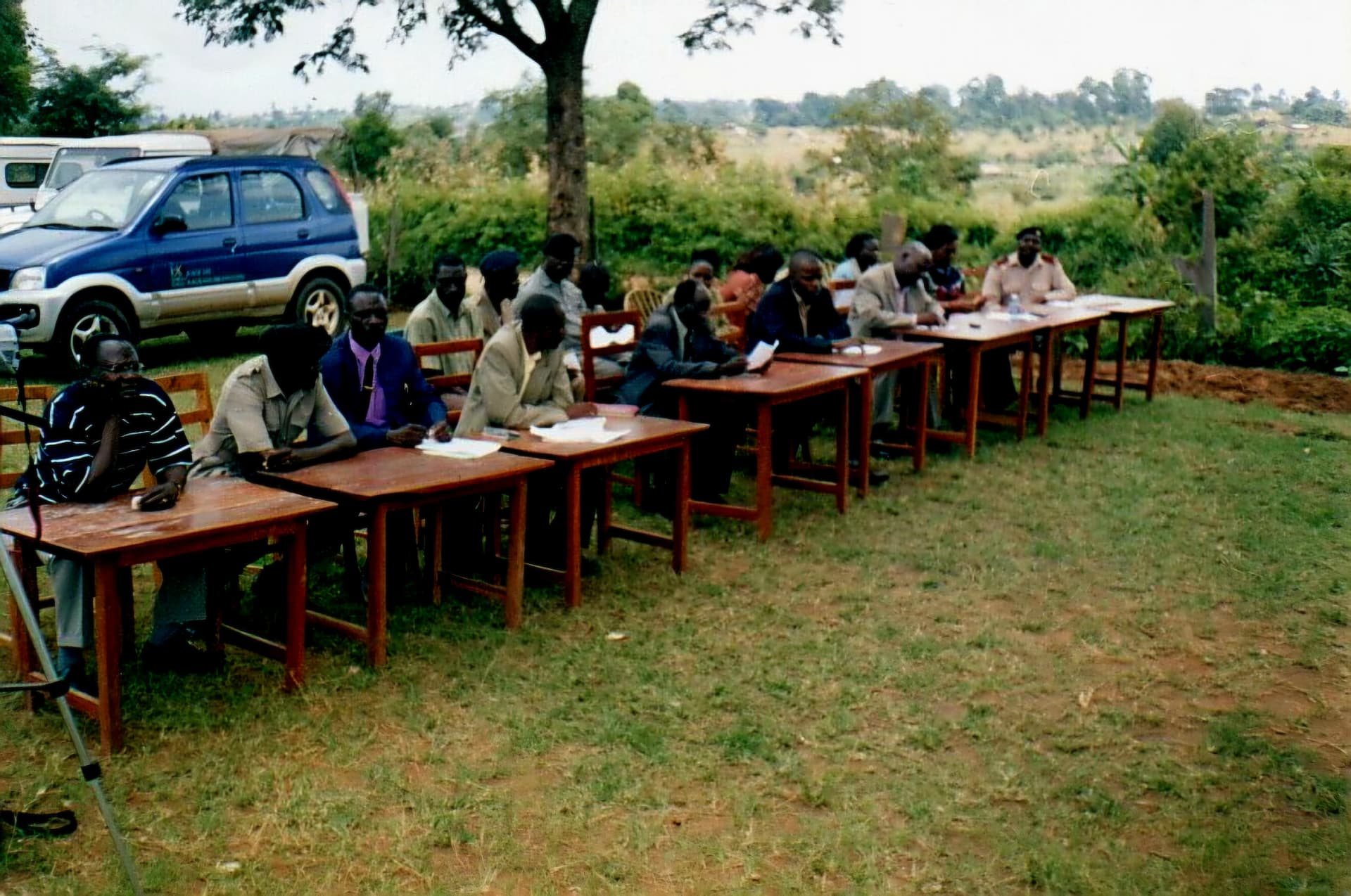
Officials in session
District officials and school representatives seated at the presentation tables.
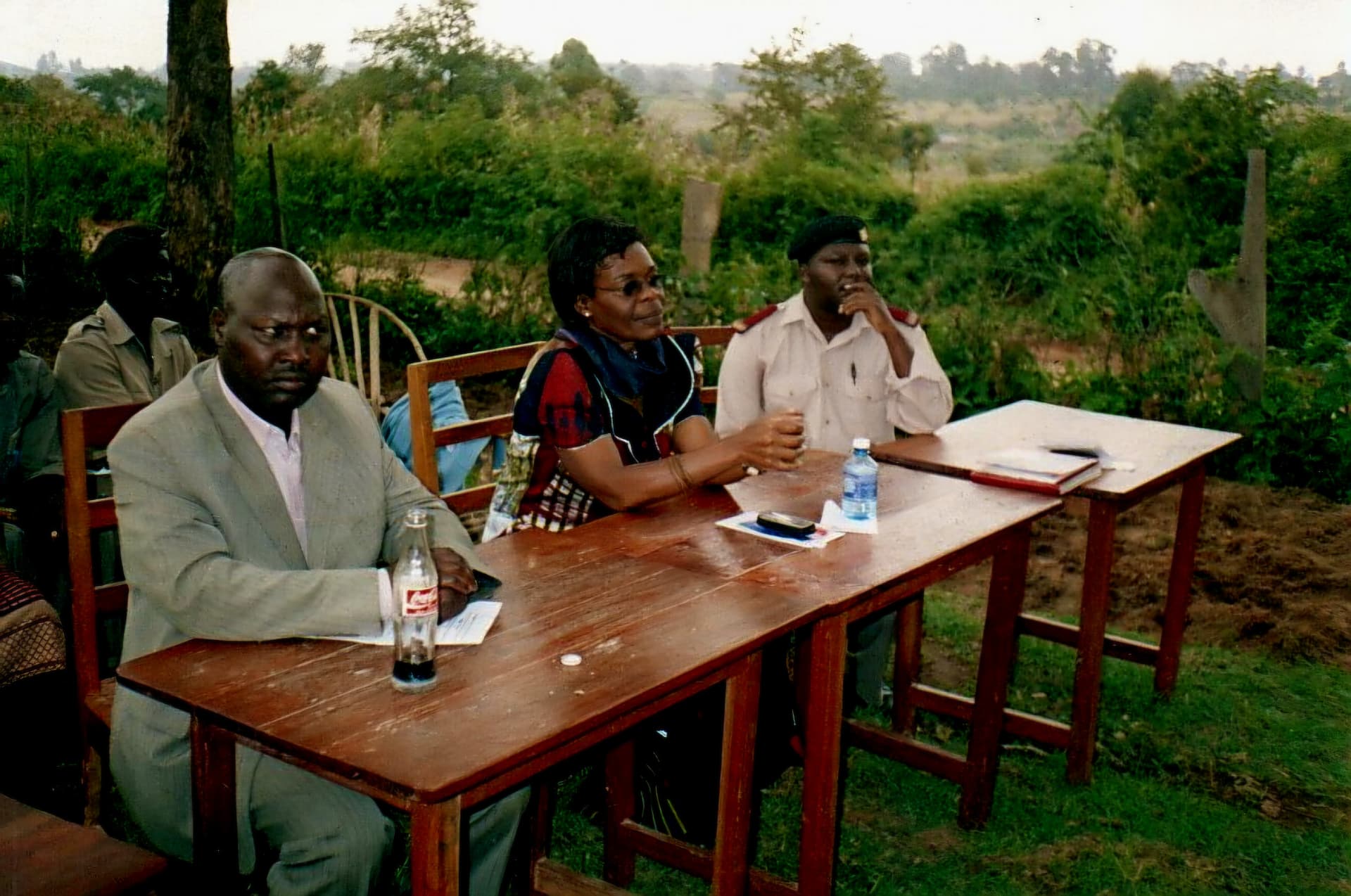
The top table
Officials chairing the proceedings.
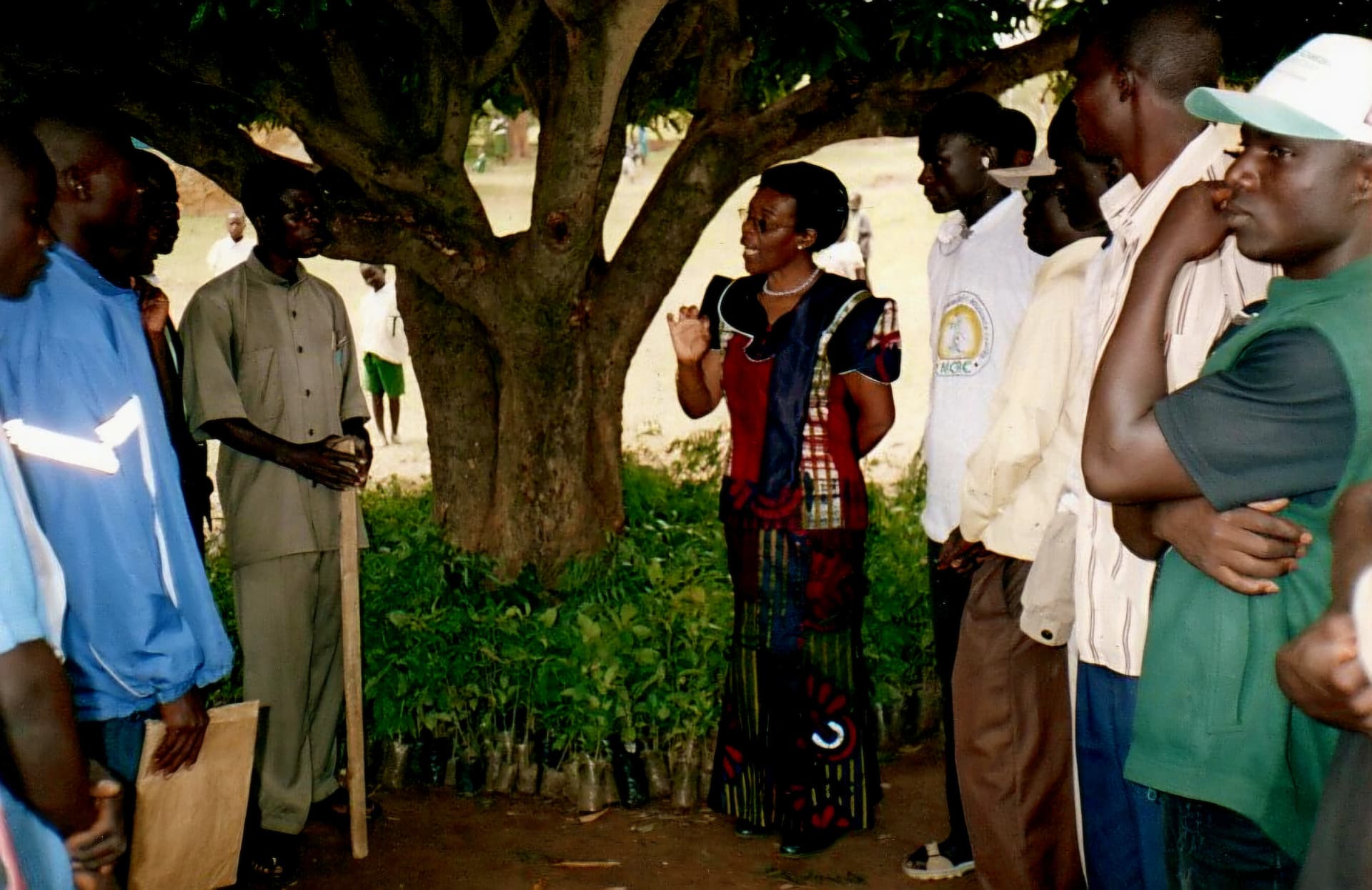
Briefing beside the nursery
Alice Barasa Nabwera addresses participants beside a bed of potted seedlings.
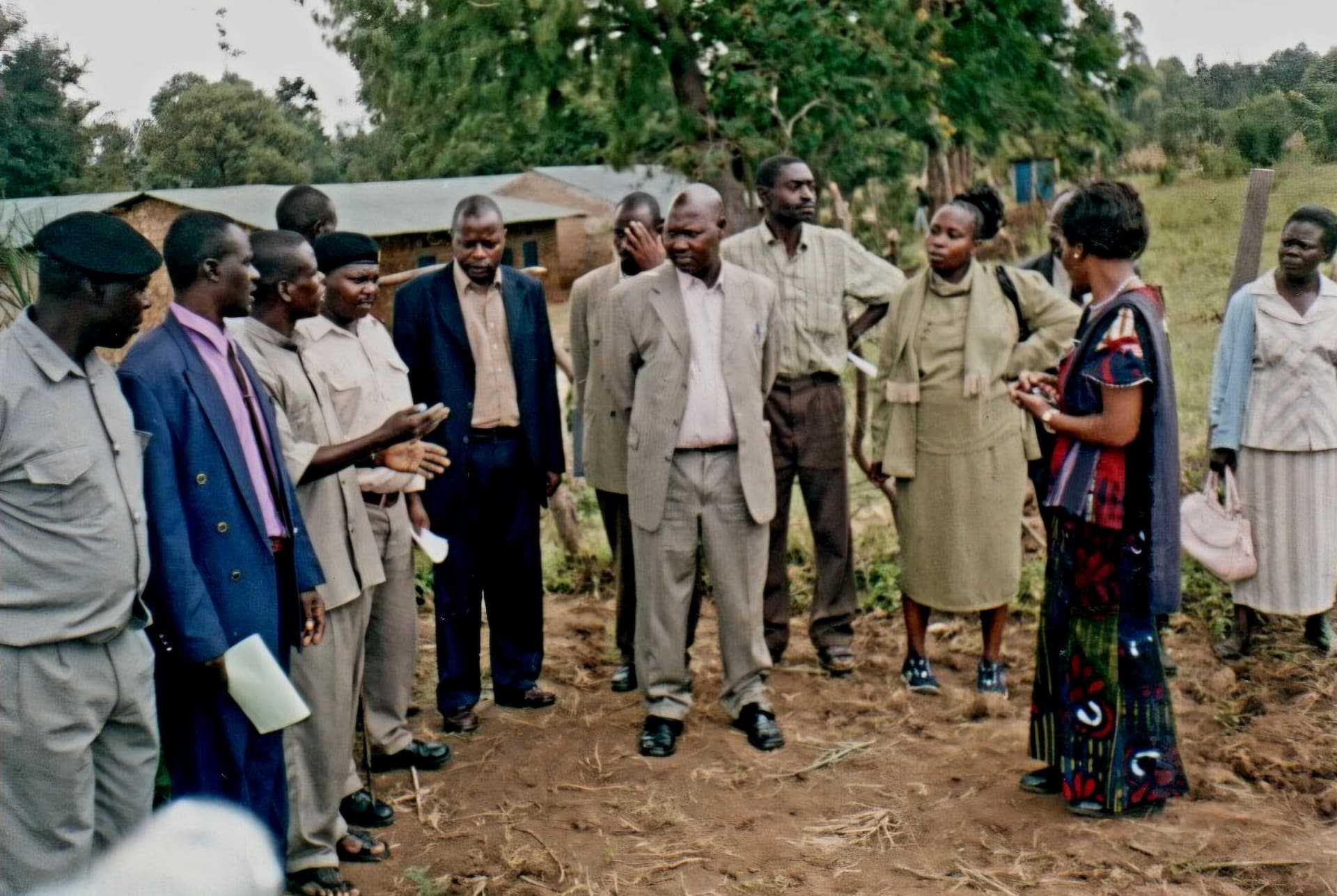
Field walk
Officials and community members inspecting the planting site.
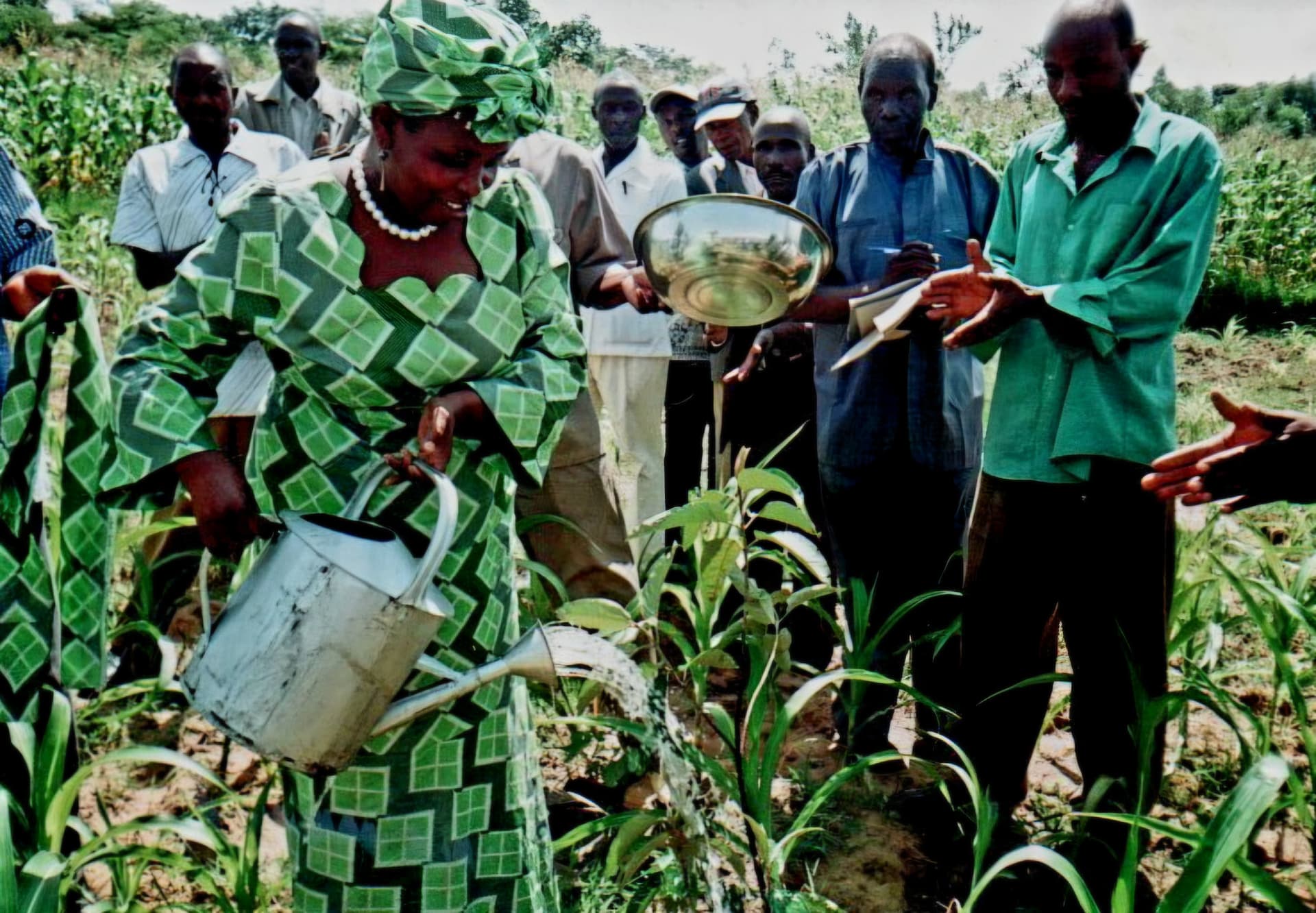
Watering the first seedling
The ceremonial watering of a newly planted seedling.
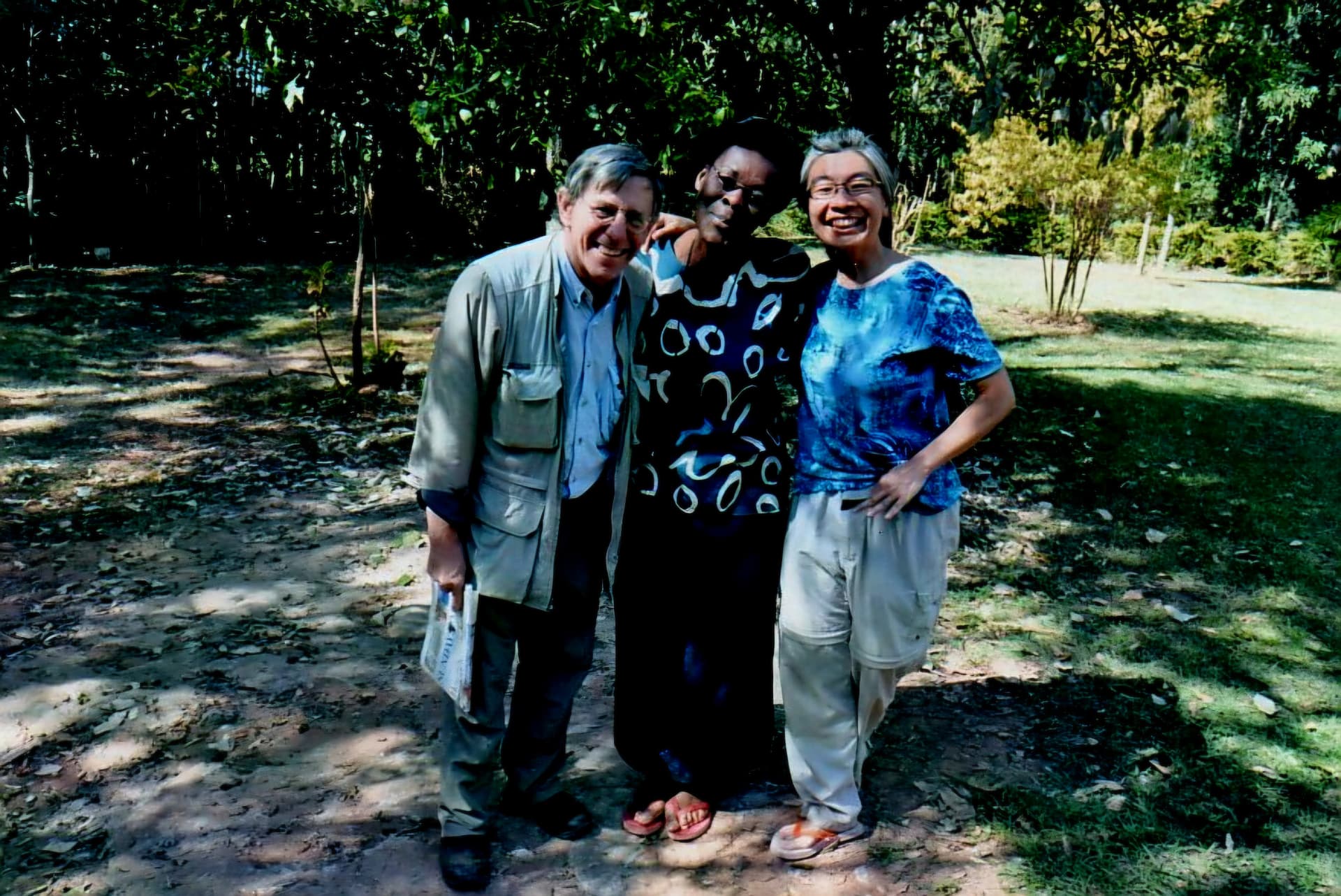
Visiting friends
Visitors welcomed at the resource centre grounds.
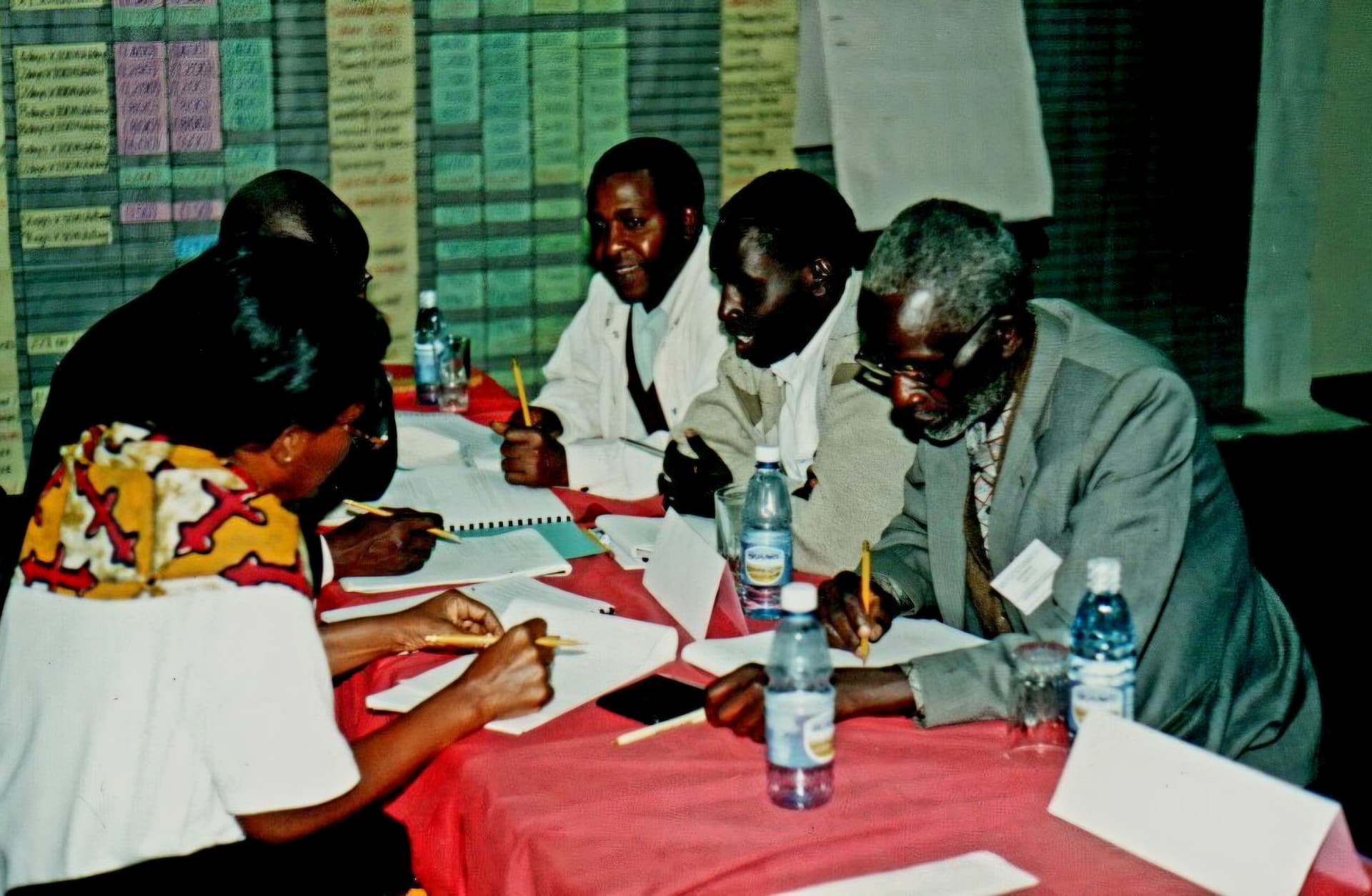
Planning workshop
Participants working through project plans at a district workshop, with targets charted on the wall behind them.
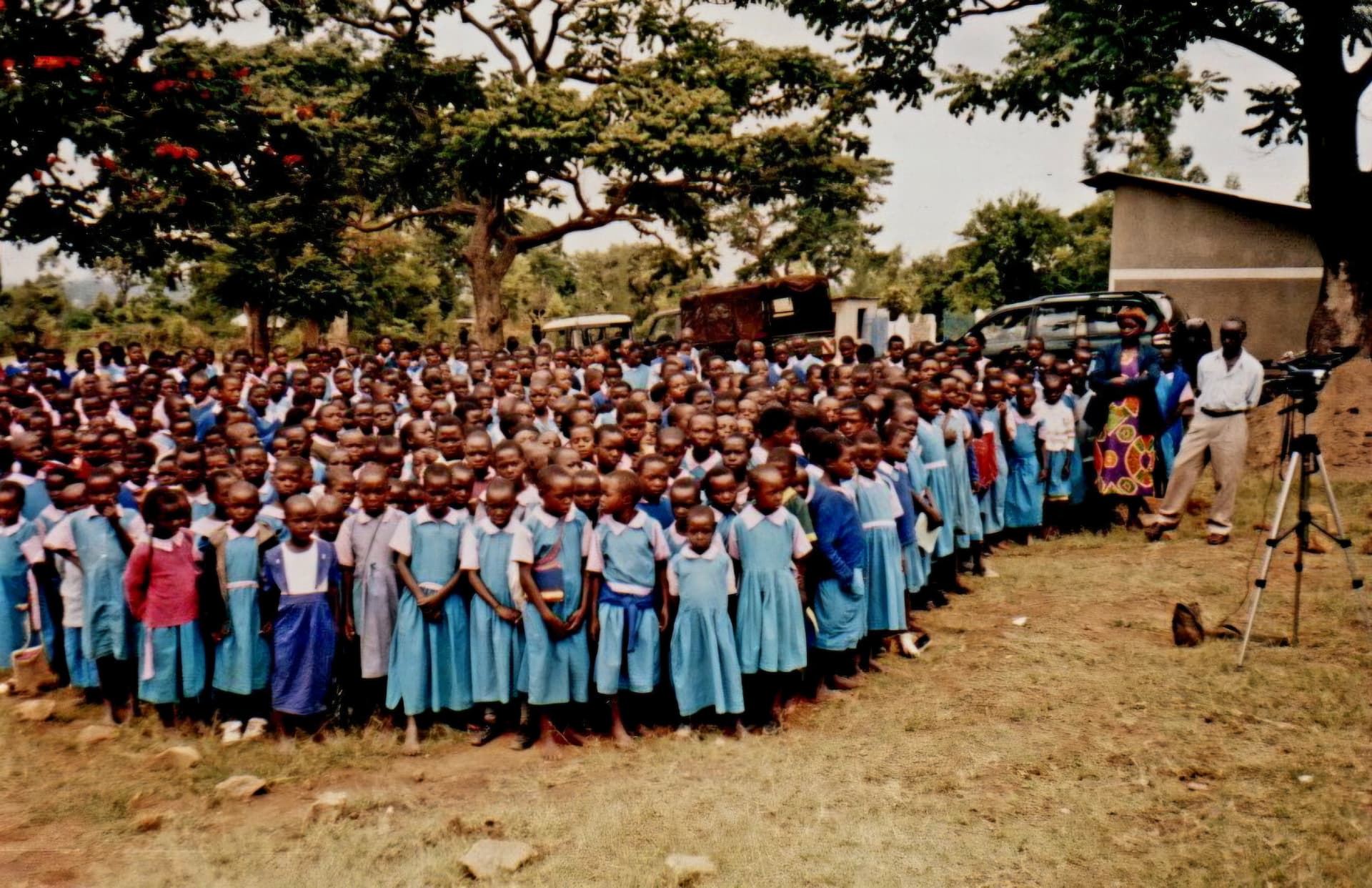
The whole school turns out
Pupils assembled in the school compound for a project event, with Alice Nabwera at the right of the frame.
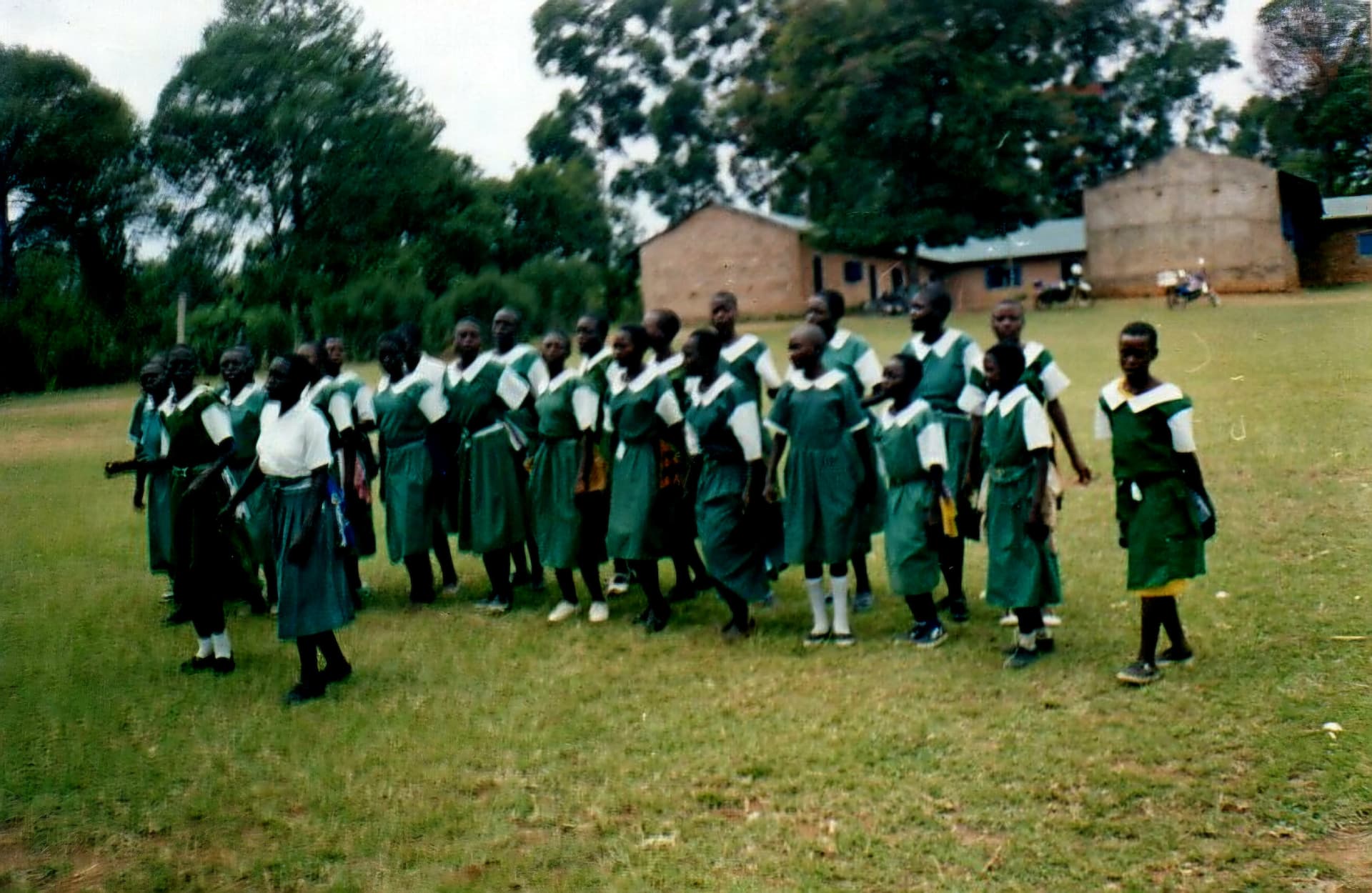
Marching in
Pupils in green uniform forming up on the school field.
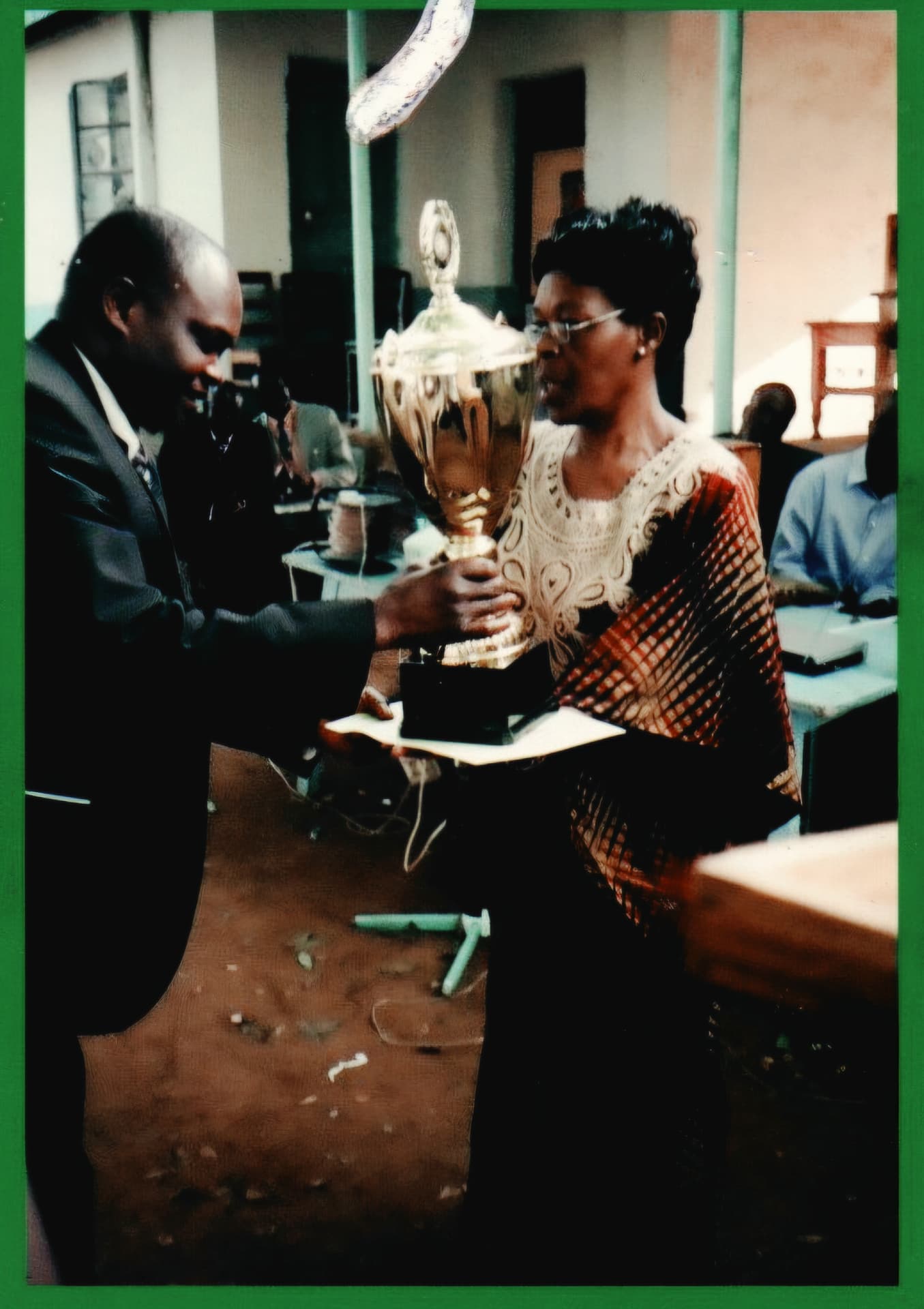
Trophy presentation
Alice Nabwera receiving a trophy on behalf of the project.
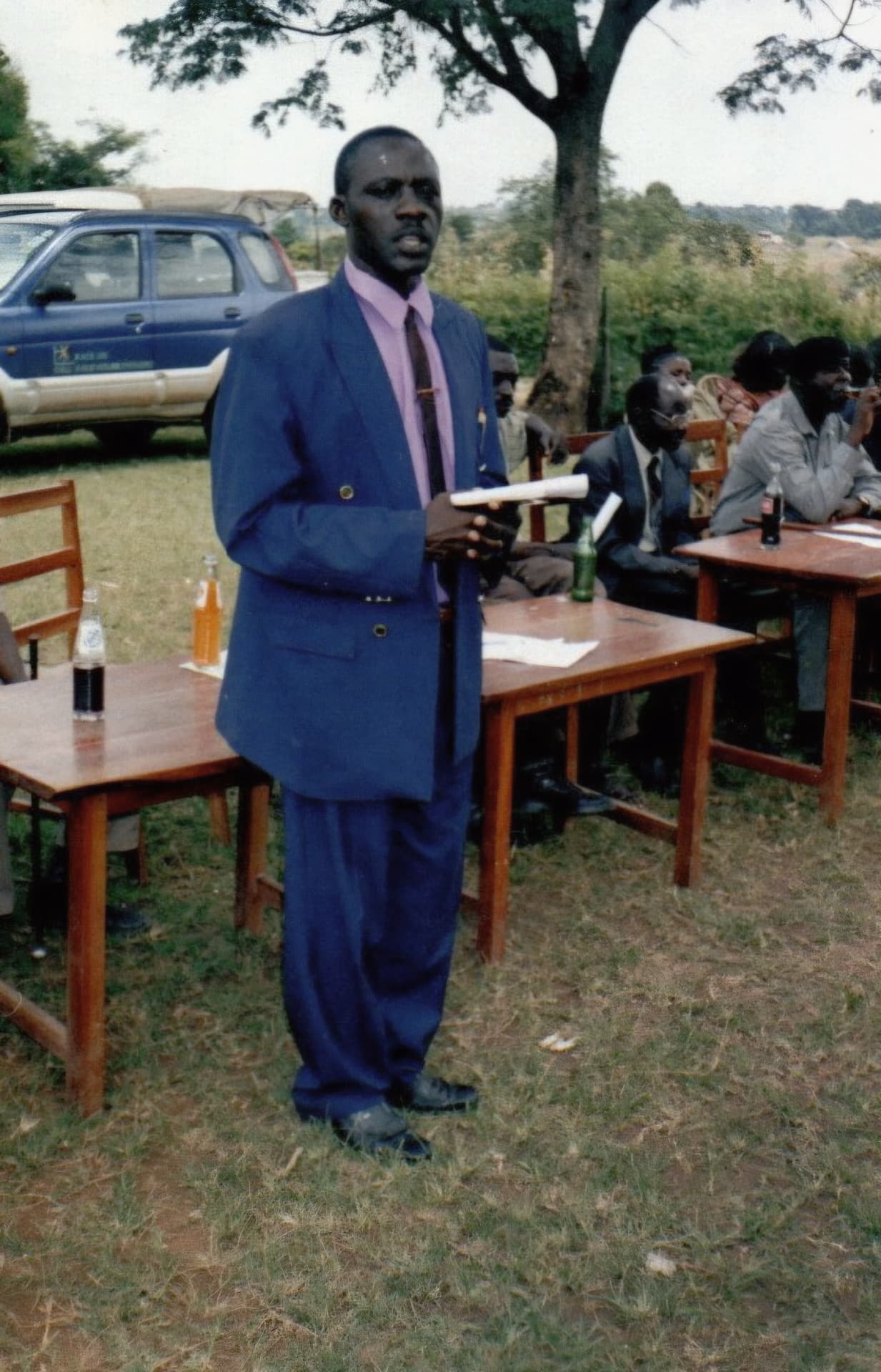
Addressing the meeting
A project representative speaking to officials seated at the tables.
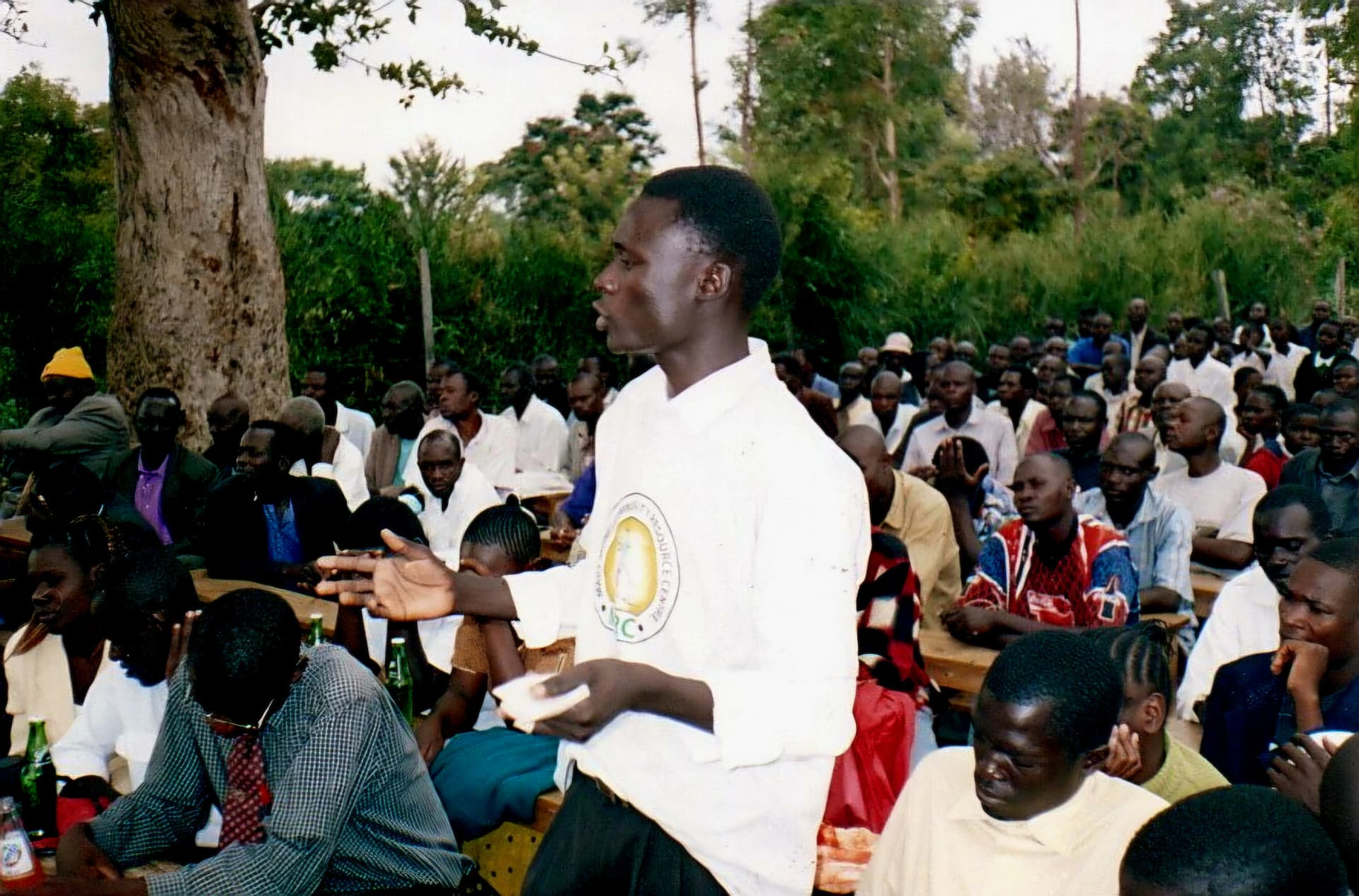
A voice from the community
A resource centre volunteer contributing to the discussion before a large gathering.
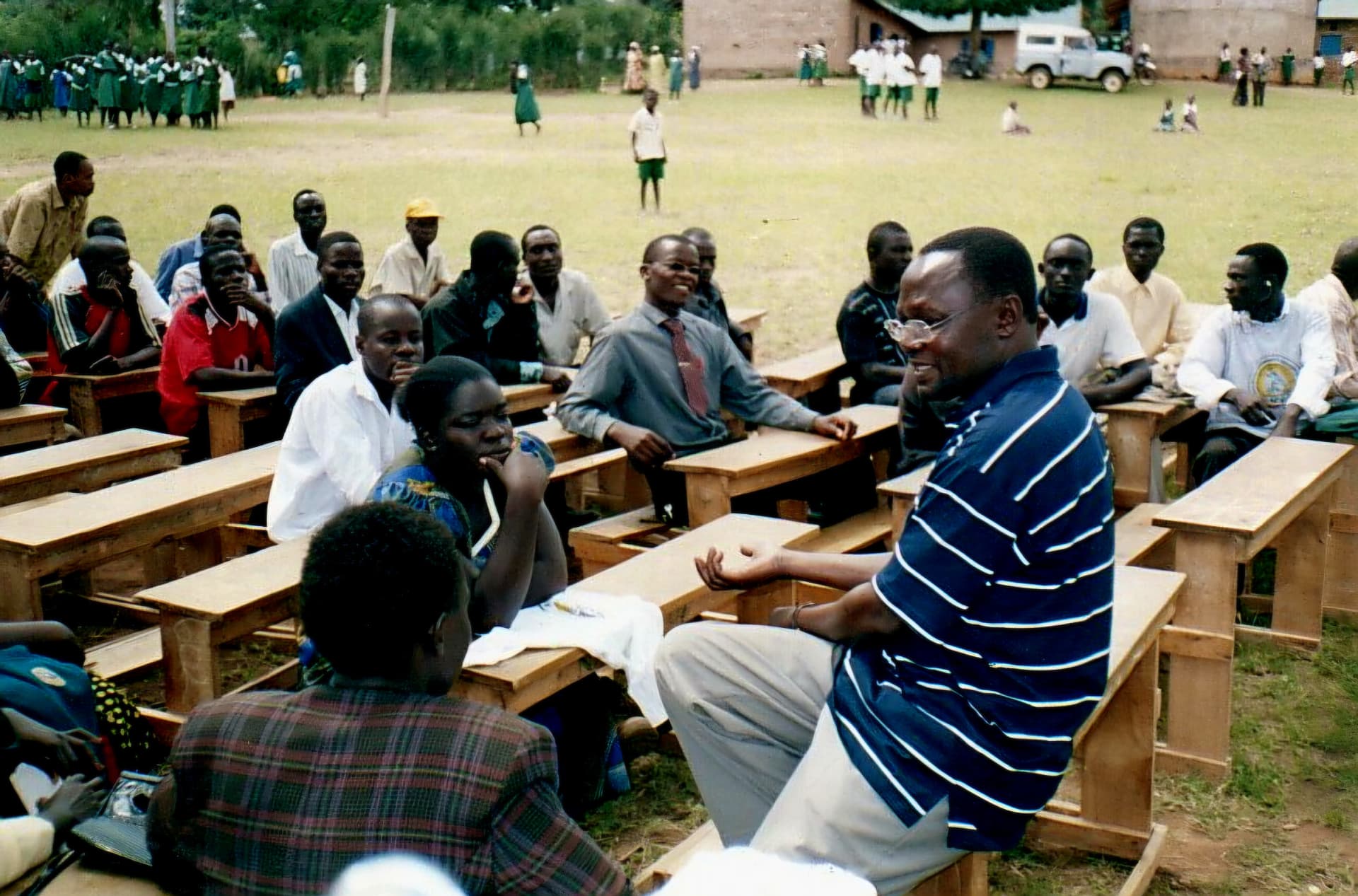
Discussion on the benches
An exchange with participants seated at desks on the school field.
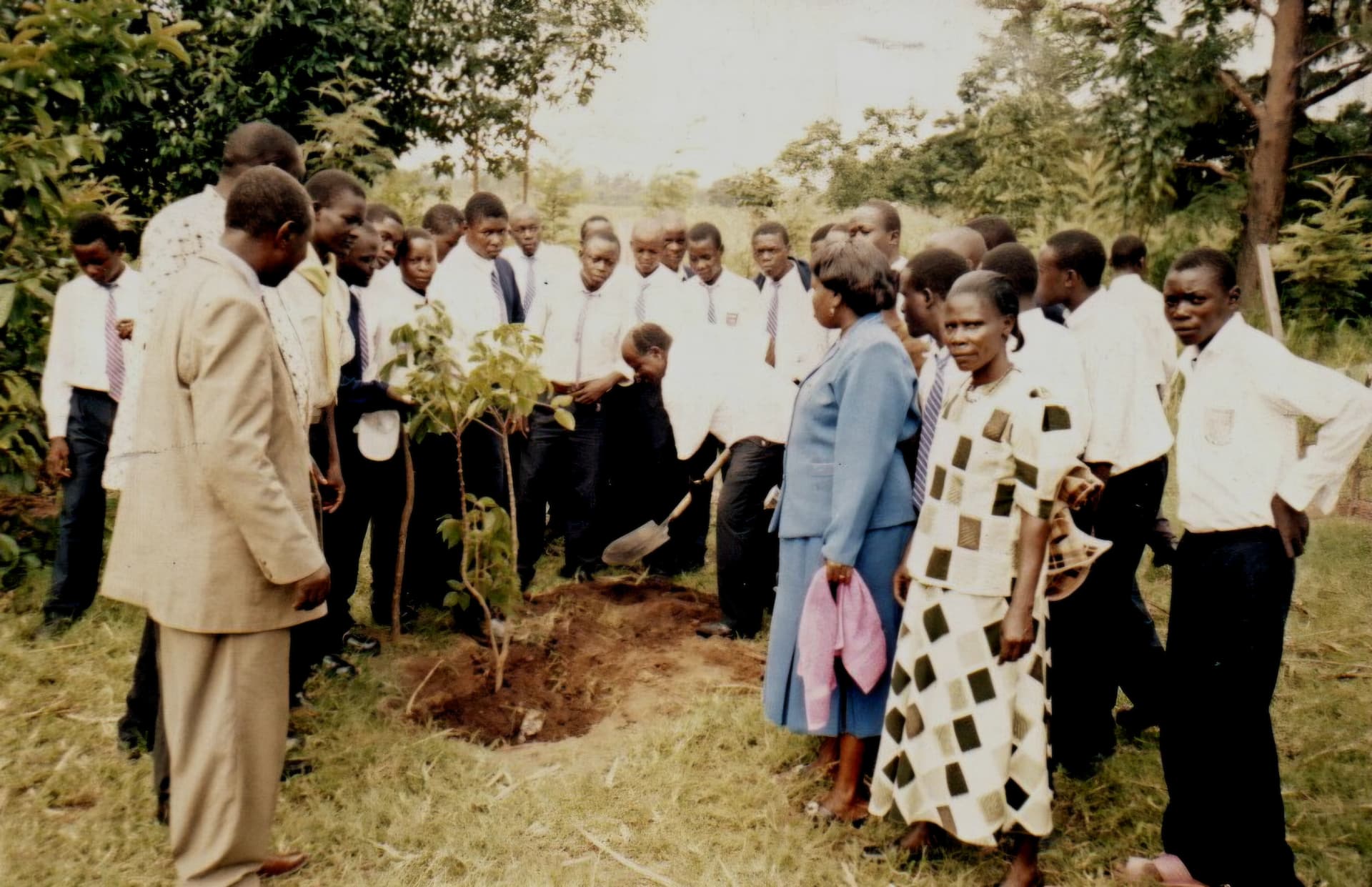
Planting with the secondary school
Students gathered as a tree is planted and firmed into place.
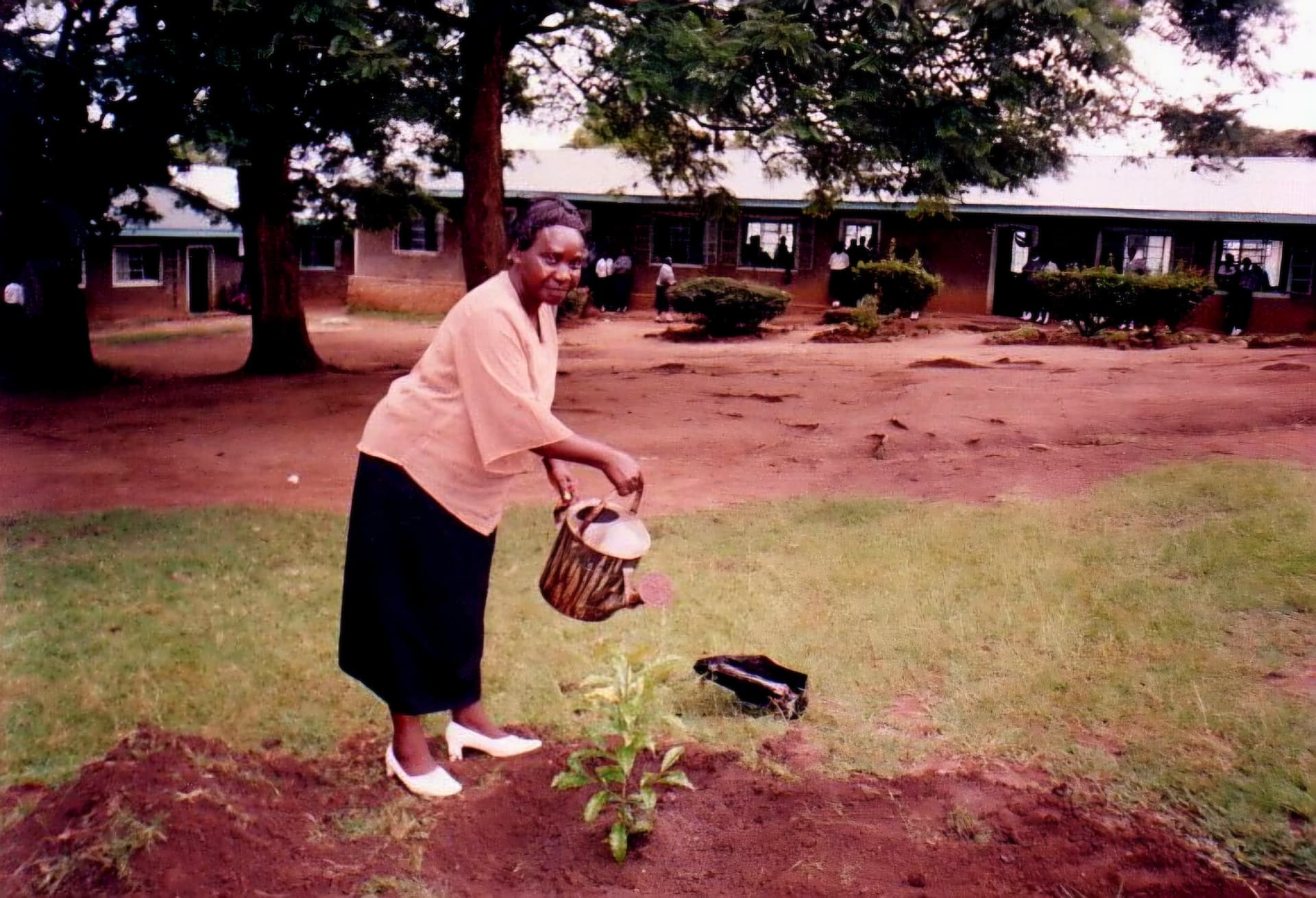
Watering a young tree
An official waters a newly planted seedling in the school compound.
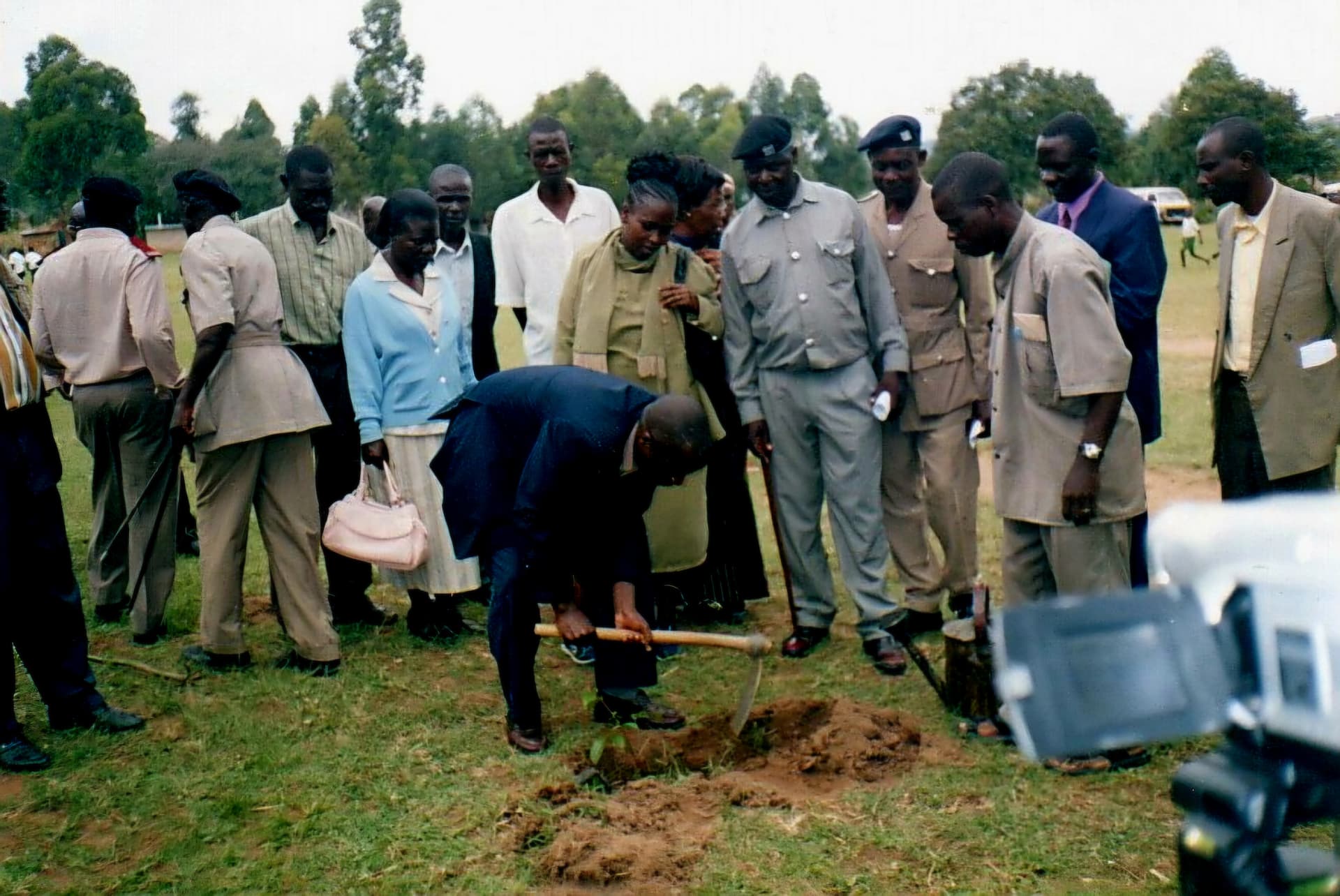
Breaking ground
An official digs the first hole for a commemorative planting as the community looks on.
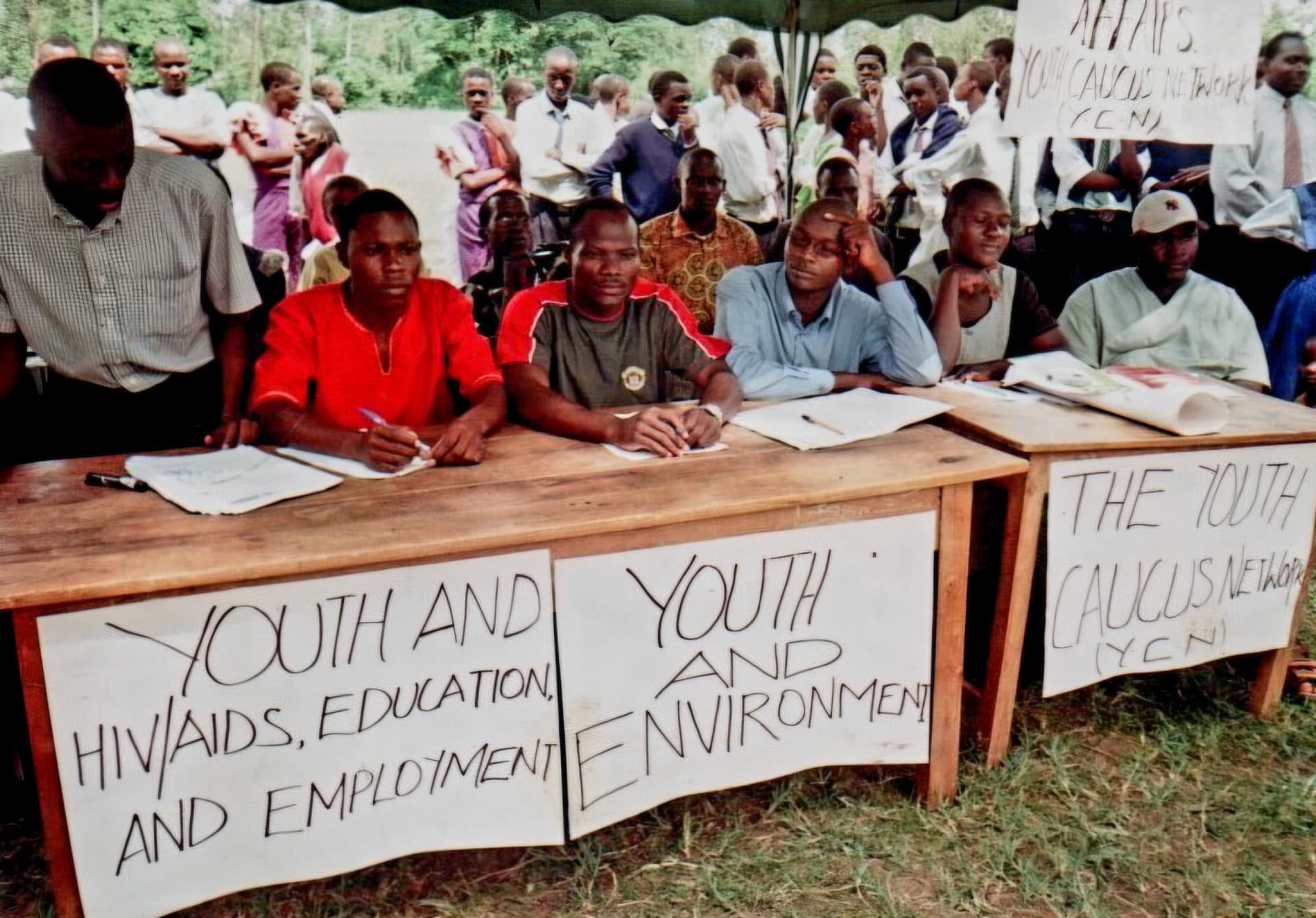
Youth caucus session
Young delegates seated behind hand-lettered banners on youth and environment, HIV/AIDS, education and employment.
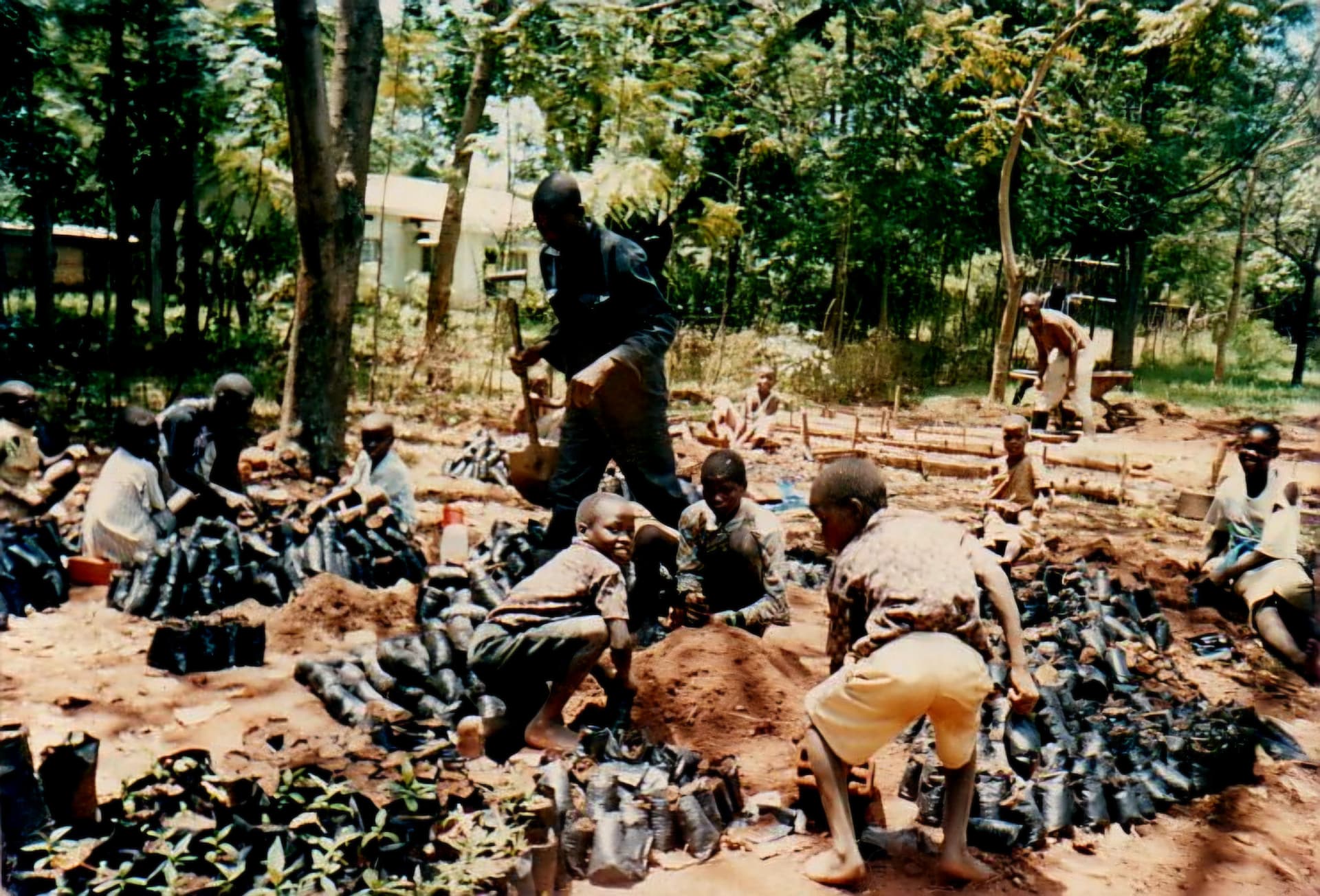
Filling the nursery beds
Pupils visiting for a demonstration of seedling potting at the MCRC tree nursery. The site of this nursery is now under forest.
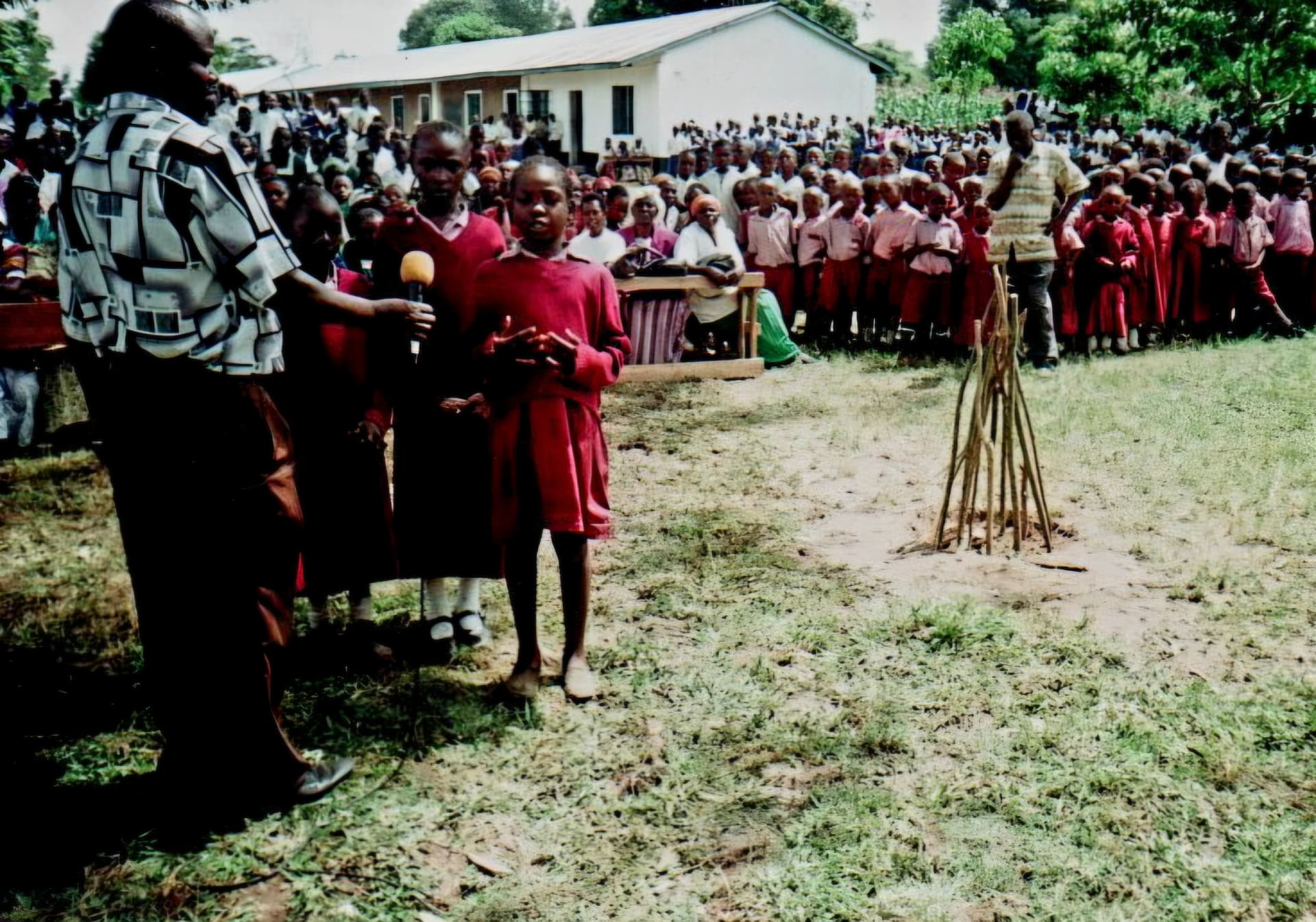
A pupil speaks
Pupils addressing the assembled school and community with a microphone.
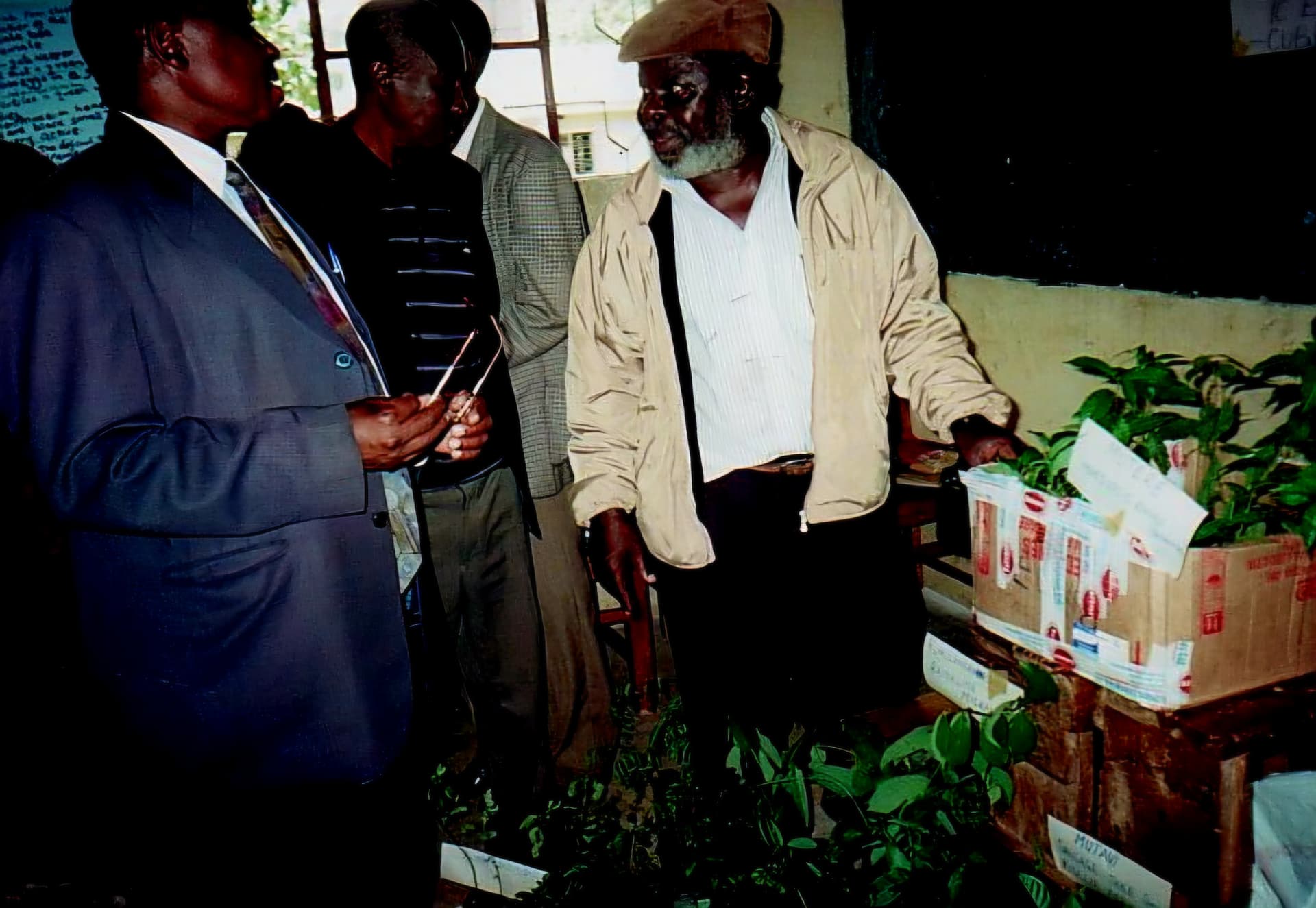
Inspecting the seedlings
Stakeholders examining labelled indigenous seedlings prepared for distribution.
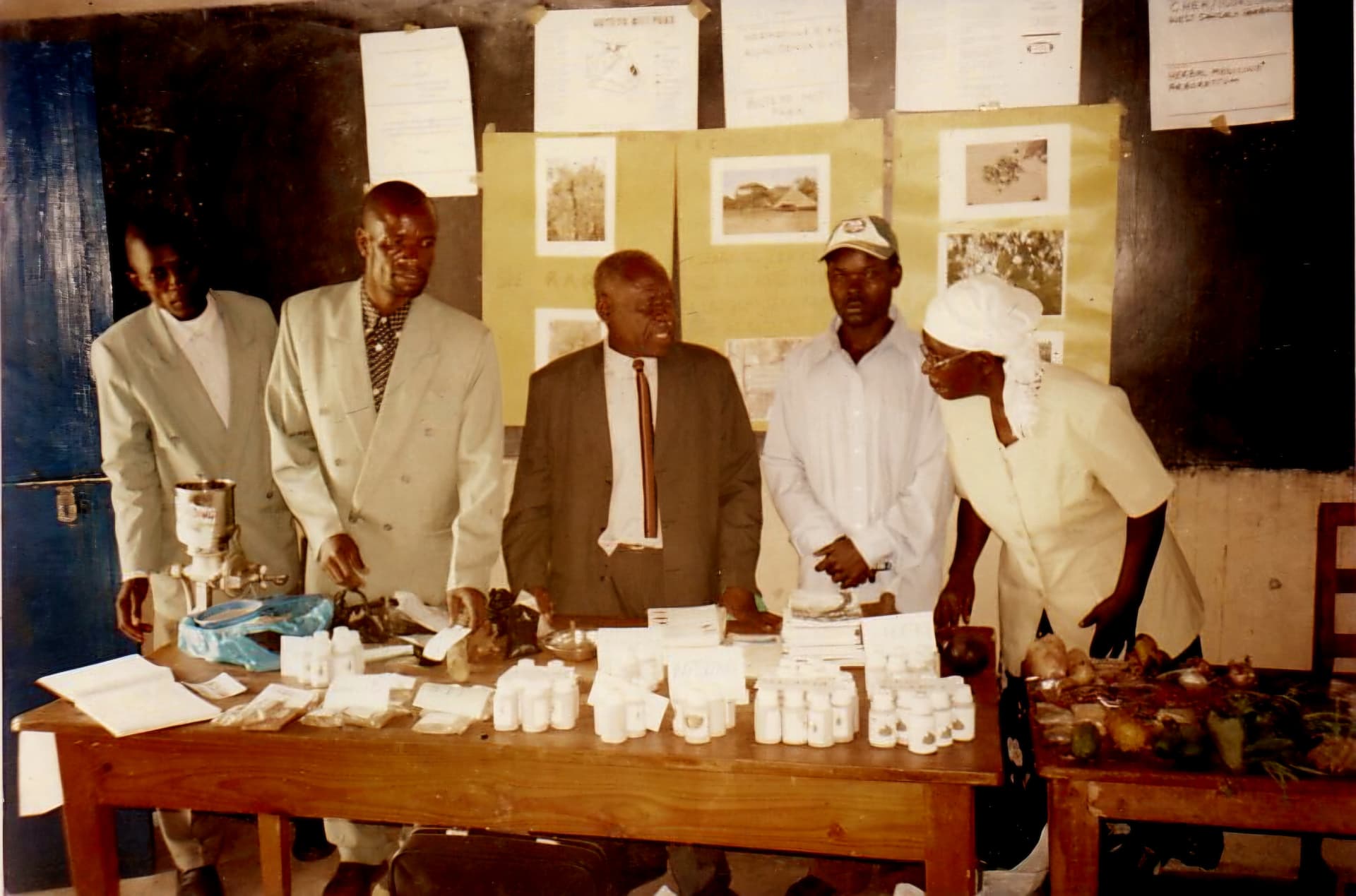
Exhibition table
An exhibition of seeds, propagation material and produce alongside project displays.
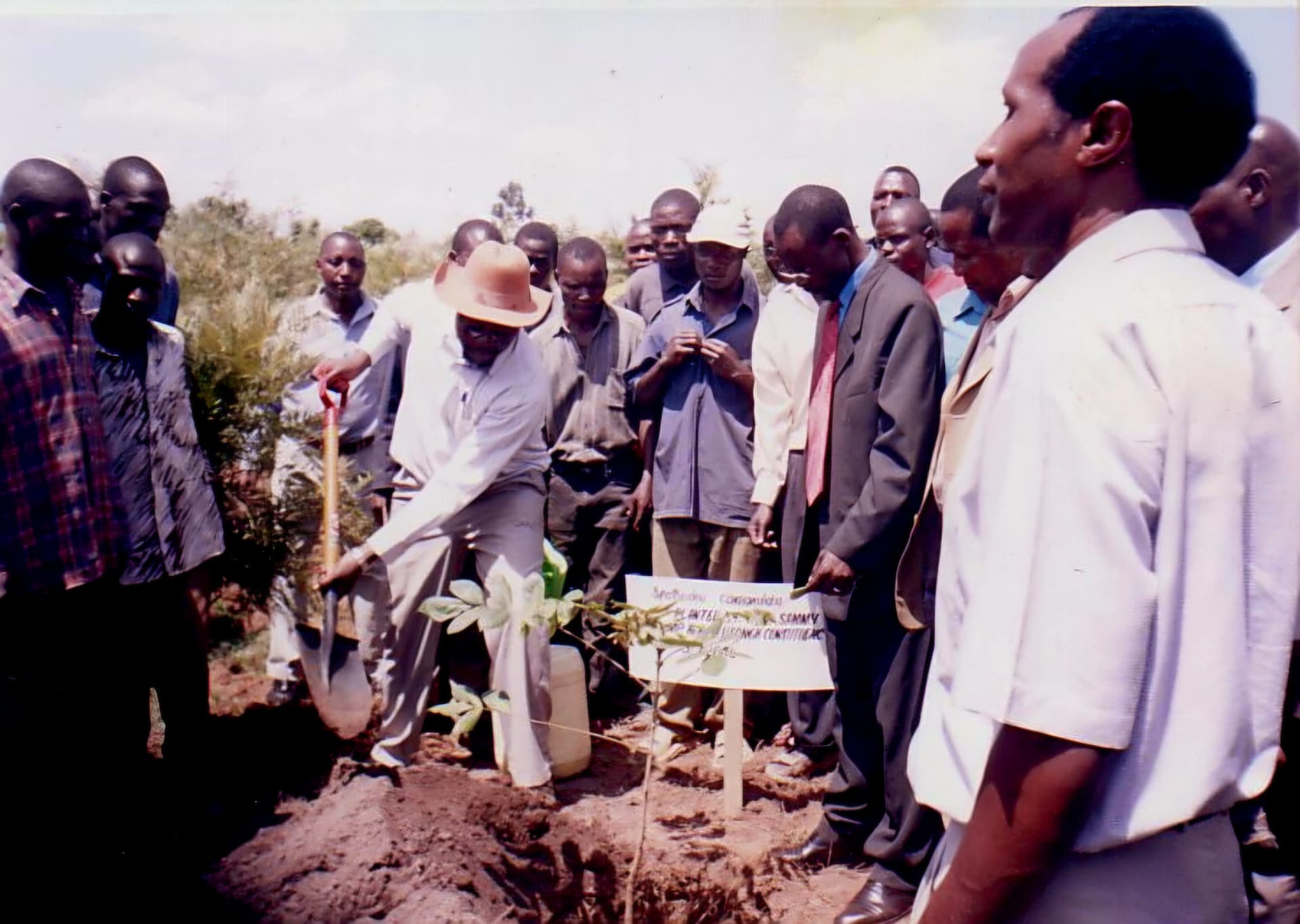
Commemorative planting
A guest firming a young tree beside a hand-written commemorative marker.
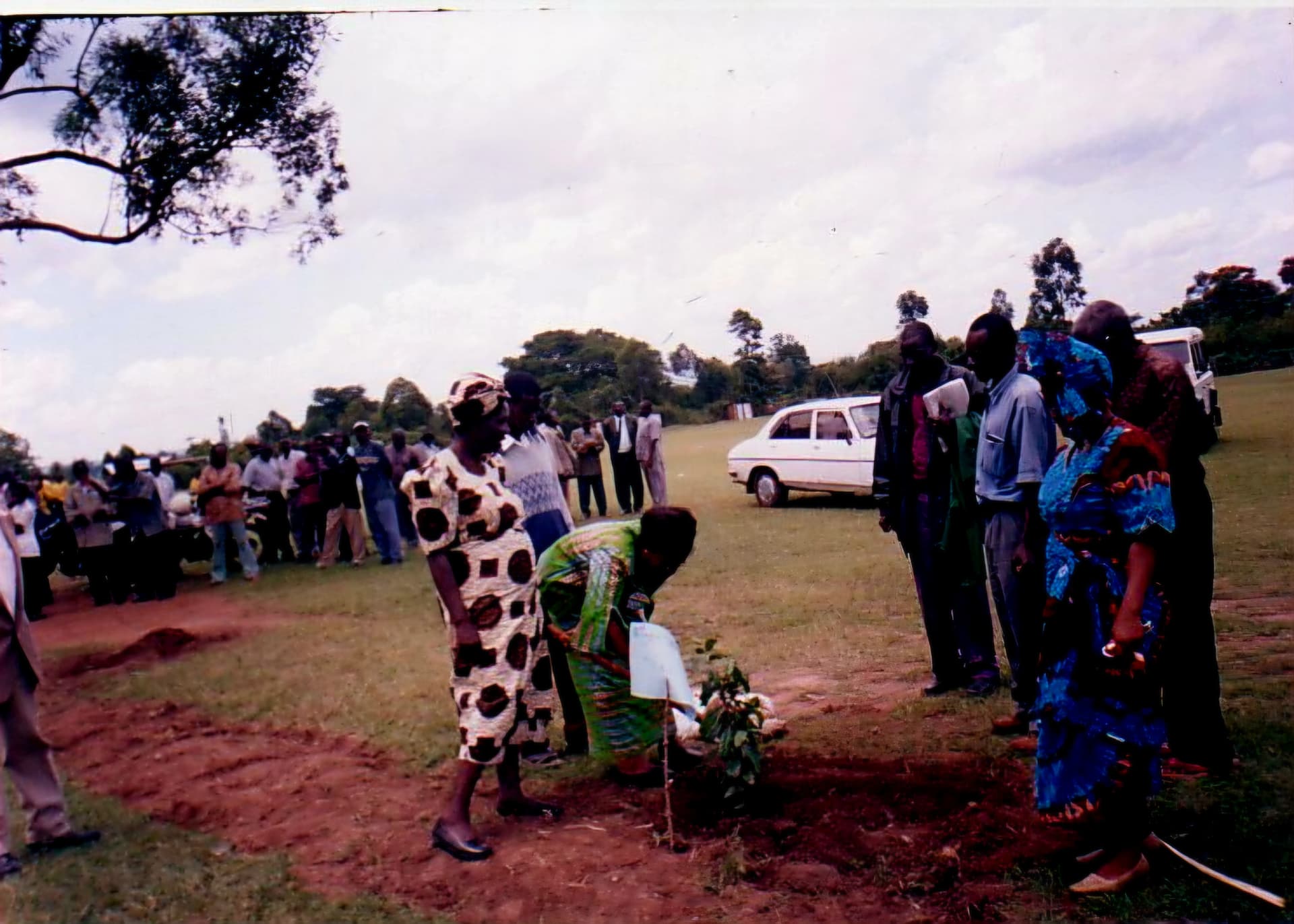
Planting on the field
A community member setting a seedling into prepared ground as guests look on.
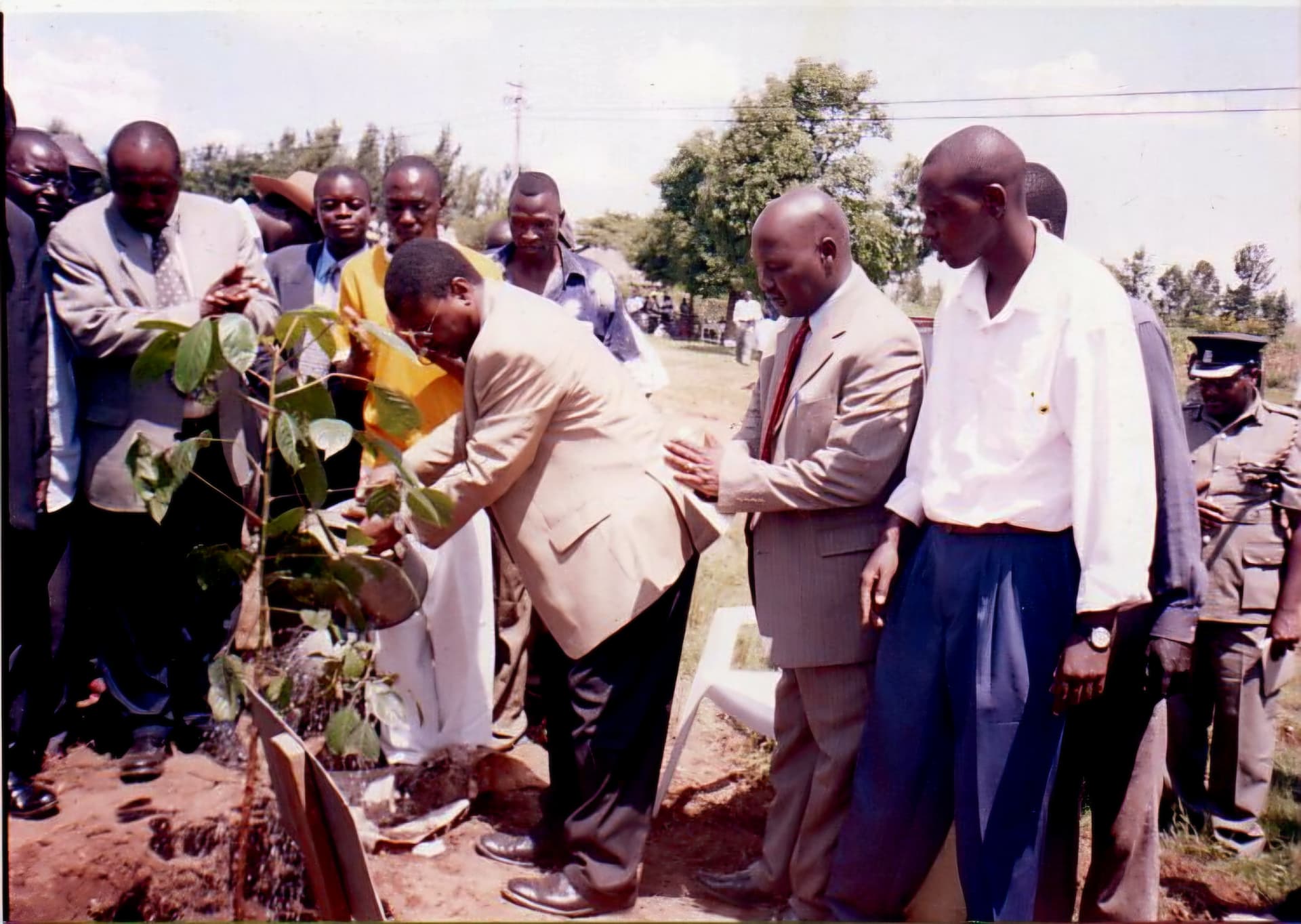
Watering after planting
A guest watering a newly planted tree, steadied by colleagues.
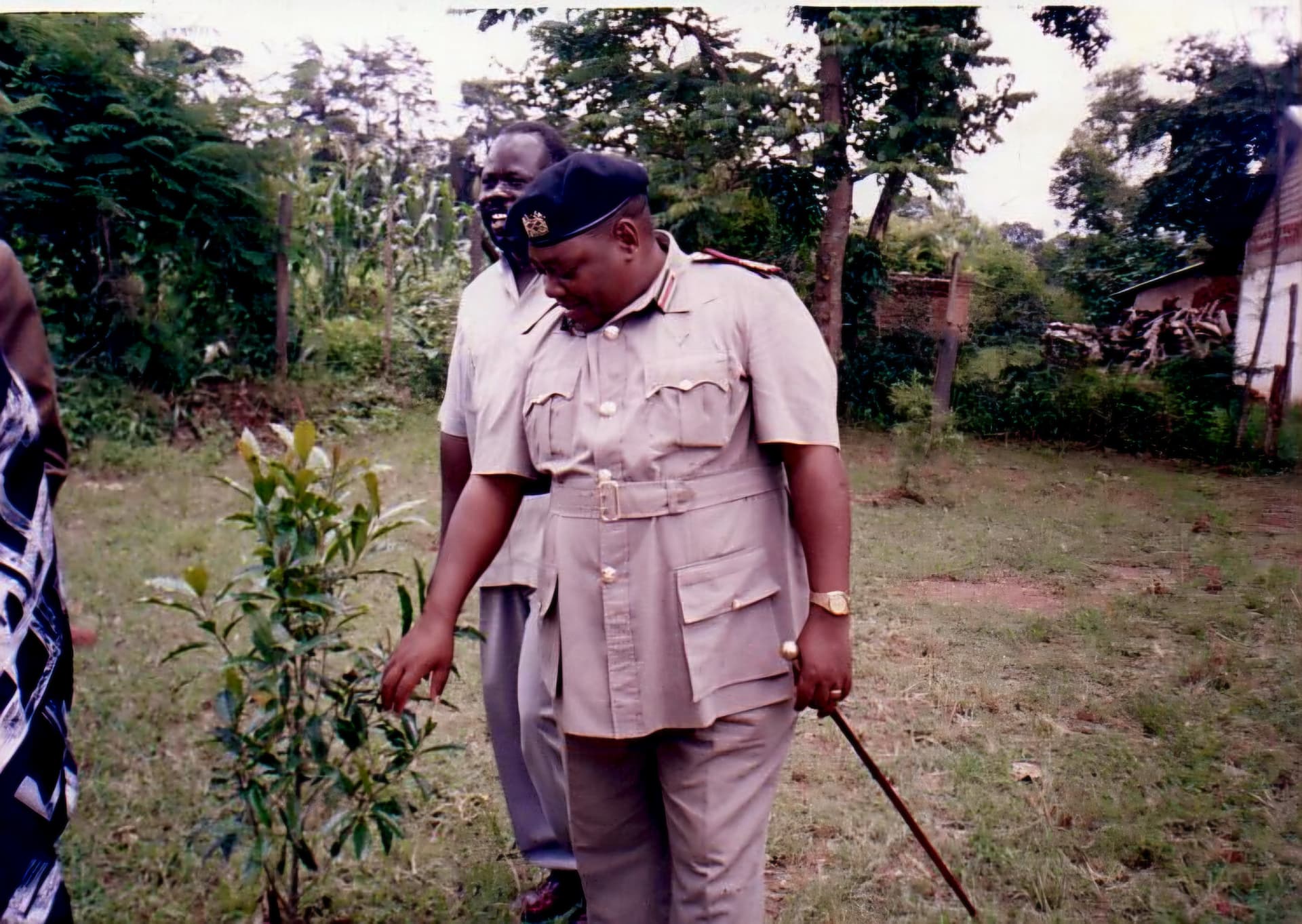
Inspecting a young tree
An administration officer examining a young tree established at the site.
Swipe to browse the schools.
Legacy and future
A seed planted in schools continues to grow.
The Bungoma Primary Schools Environment Project reminds us that restoration starts with education, participation and patience. Its lessons continue to shape the Mary Munei Foundation’s work today.
Partner with us