Proposed project
Mount Elgon Ecosystem Restoration Initiative
A community anchored approach to restoring one of Kenya’s most important water towers and biodiversity landscapes.
Overview
A water tower worth protecting.
The Mount Elgon ecosystem is one of Kenya’s important water towers and a UNESCO Biosphere Reserve. As the country’s second highest mountain, it plays a vital role in regulating water, supporting biodiversity, sustaining agriculture, and providing livelihoods for communities across the surrounding landscape.
The mountain and its forests are the source of numerous rivers and streams, including the Nzoia, Turkwel (Suam), Koitoboss, Sipi, Kuywa, Sosio, Kibisi, Sio-Malaba-Malakisi, Lwakhakha, Ndakaru, Toloso, Khalaba, Ewaso-Rongai, Noigamaget and Sabwani river systems, among others. These waterways support communities across western Kenya and contribute to the wider Lake Victoria, Lake Kyoga and Lake Turkana basins. Protecting and restoring the Mount Elgon ecosystem is therefore important not only for the communities living around the mountain, but also for regional ecological and economic resilience.
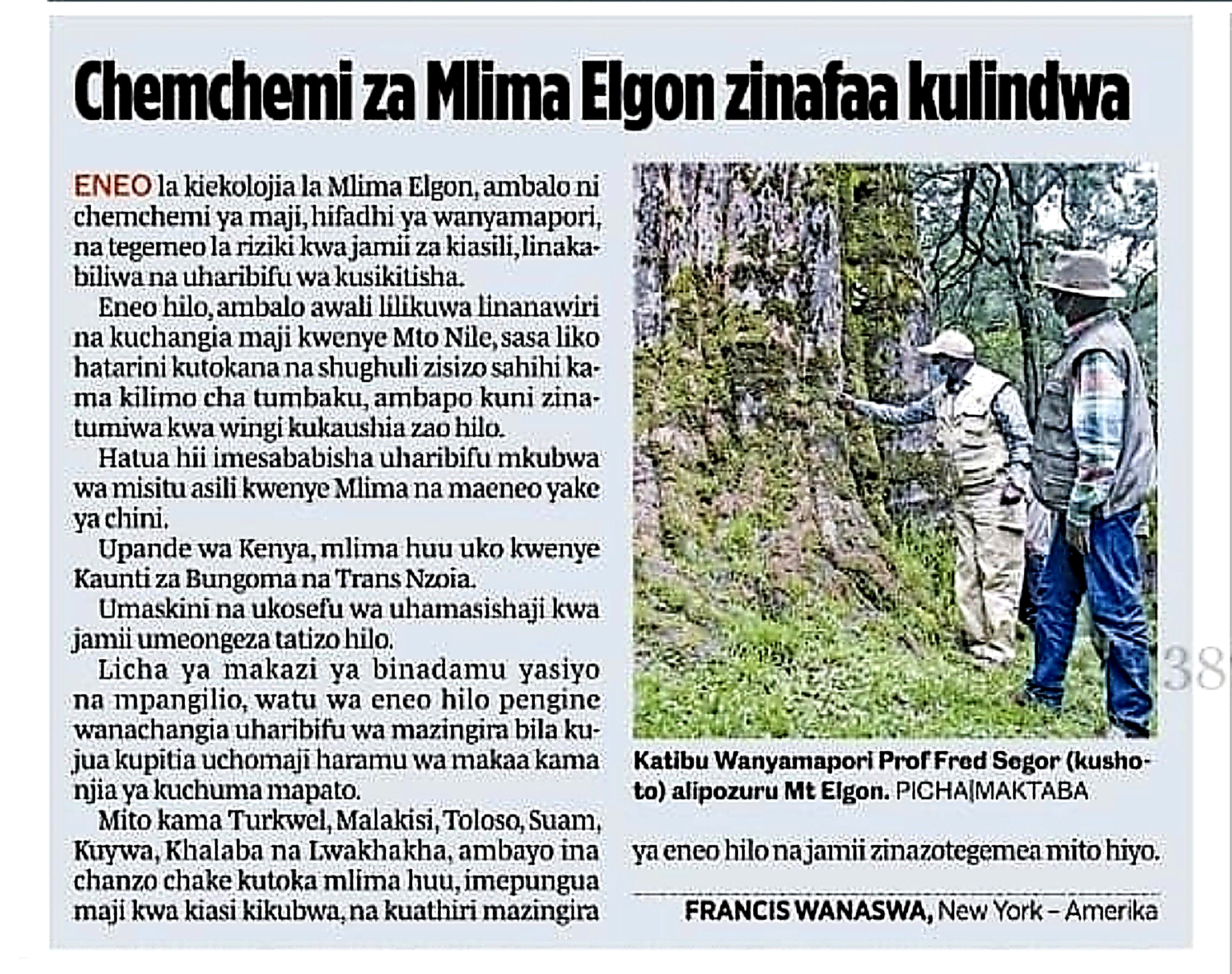
“Chemchemi za Mlima Elgon zinafaa kulindwa” (Swahili: “The springs of Mount Elgon ought to be protected”) — a letter in the Barua (Letters) column of Taifa Leo, a Swahili daily newspaper, by Francis Wanaswa of the Mary Munei Foundation, warning that deforestation and charcoal burning around Mount Elgon are drying the springs that feed the Turkwel, Malakisi, Toloso, Suam, Kuywa, Khalaba and Lwakhakha rivers, and the communities that depend on them.
The challenge
Growing pressures on land, water and livelihoods.
Mount Elgon faces growing pressures from land use change, forest degradation, climate variability and increasing demands on natural resources. These pressures are contributing to:
- —Loss of forest cover and biodiversity through agricultural expansion, charcoal production, timber extraction and other forms of land degradation
- —Declining water flows as springs, streams and rivers become less reliable, affecting households, agriculture and other economic activities
- —Soil erosion and siltation from degraded slopes, affecting rivers, wetlands, farmland and water infrastructure
- —Floods and landslides associated with intense rainfall, degraded landscapes and changing climatic conditions
- —Increasing pressure on rural livelihoods, particularly where communities depend heavily on natural resources
- —Gaps in coordinated landscape management, with the need for stronger community participation and collaboration among local, county and national institutions
From local action to landscape restoration
Restoration begins with people who are willing to act.
For more than two decades the Foundation has supported grassroots environmental initiatives, including working with schools, young people and communities to plant indigenous trees and build a culture of environmental stewardship. This work has been self funded, drawing on the personal contributions of the founders in finances, time and resources in kind, alongside community participation and occasional support from friends.
The next opportunity is to build on this practical experience and develop a broader, community anchored approach to ecosystem restoration across the Mount Elgon landscape.
A community anchored approach
Designed and implemented in partnership with communities.
Restoration will be designed and implemented in partnership with communities, schools, local organisations, county governments, national agencies, researchers and other strategic partners.
- —Riparian restoration along rivers, streams and other critical water systems
- —Indigenous forest regeneration to strengthen biodiversity, soil health and water catchment functions
- —Community nurseries that create local sources of indigenous planting material while providing opportunities for youth and community enterprise
- —Environmental education for schools, young people and communities to build long term stewardship
- —Nature based enterprises that connect conservation with sustainable livelihoods, with apiculture as one example of an enterprise that can support household income while strengthening pollinator habitats
- —Agroforestry and sustainable land management to improve soil health, farm productivity and landscape resilience
- —Community participation and local knowledge, ensuring that women, youth and other local knowledge holders have a meaningful role in planning and decision making
Four areas of action
Practical, integrated and scalable.
Ecosystem Restoration
The Foundation will support practical restoration activities including ecological assessments, indigenous tree establishment, riparian rehabilitation, soil and water conservation, habitat restoration and biodiversity monitoring.
Nature Based Enterprises
Restoration should create economic opportunities as well as environmental benefits. The initiative will explore nature based enterprises appropriate to local conditions, including apiculture, production of indigenous seedlings, sustainable plant based products, agroforestry, ecotourism and related services.
Community Stewardship
Long term restoration depends on local ownership. The initiative will support community groups, schools, women and youth through environmental education, restoration activities, livelihood initiatives and the sharing of practical knowledge.
Knowledge, Learning and Innovation
The initiative will document experiences, measure ecological and social outcomes, and share practical lessons from implementation. This will contribute to a growing body of knowledge on community led restoration, climate resilience, nature based livelihoods and sustainable landscape management.
Partnerships and funding
Seeking partners to scale this work.
The Mary Munei Foundation is seeking strategic partners, technical collaborators and catalytic funding to develop and scale this work.
Partnerships will help strengthen:
- —Ecosystem restoration
- —Water security
- —Climate resilience
- —Biodiversity conservation
- —Youth and community participation
- —Nature based livelihoods
- —Environmental education and knowledge sharing
The Foundation’s ambition is to show that restoration can begin with modest, locally driven action and grow into a collaborative programme rooted in the communities that sustain it.
Gallery
Mount Elgon, in pictures.
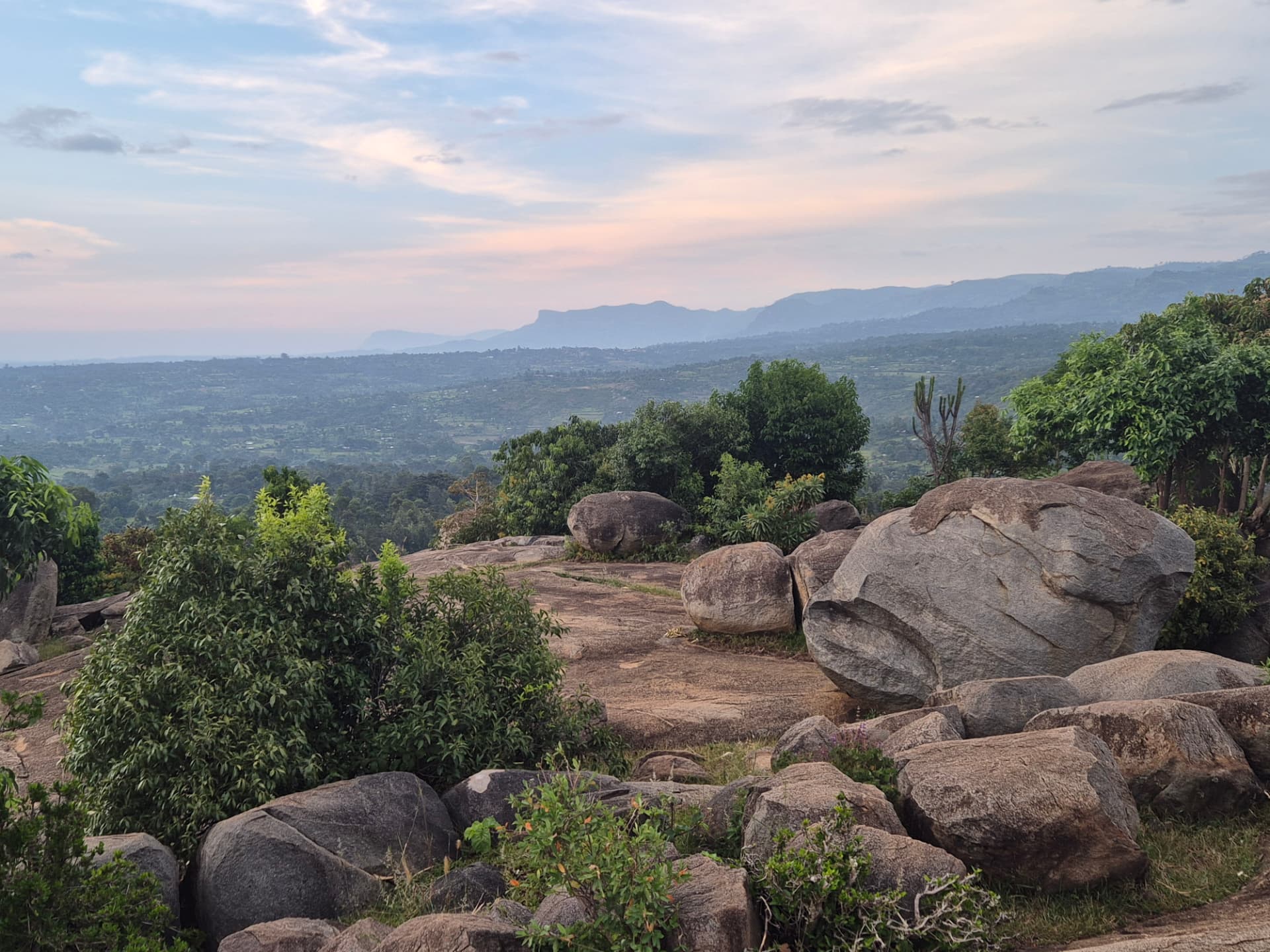
UNESCO Biosphere Reserve
Granite outcrops and forested slopes on Mount Elgon at dusk, with the mountain range stretching into the distance. The mountain is recognised as a UNESCO Biosphere Reserve and is one of Kenya’s most important water towers.
Panorama from Wekelekha Ridge
Panorama of Mount Elgon and its slopes as seen from Wekelekha Ridge, Sirisia, Bungoma. The footage was recorded in 2021 and shows the layered ridges and valleys that make up the wider Mount Elgon landscape.
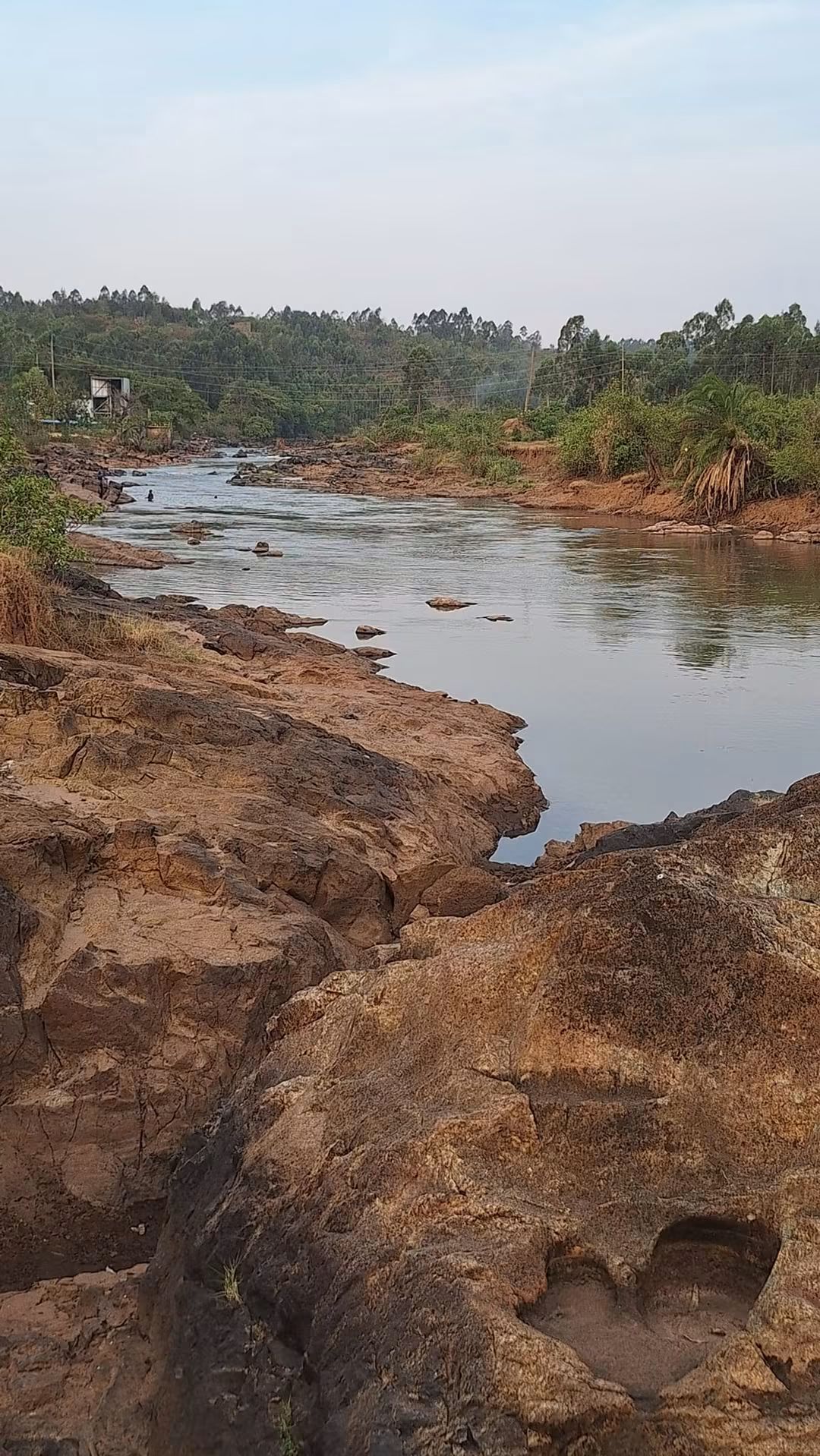
River Nzoia in Dry season
River Nzoia at Webuye on the Bungoma/Kakamega boundary in dry season. One of the most significant rivers in western Kenya, the Nzoia drains a vast basin that feeds the entire Lake Victoria Basin, supporting communities, agriculture and industry across Bungoma, Kakamega, Busia and beyond. Much of its riparian vegetation has been severely degraded, leaving its banks exposed to erosion. The Mount Elgon–Cherang’anyi ecological system, where the river originates, is itself under increasing environmental pressure and remains critically important to the health of the Nzoia River basin and the wider Lake Victoria Basin.
Photo: Christopher S Khaemba
Swipe to browse the gallery.
Proposed initiative
Healthier landscapes, stronger livelihoods.
Through partnership, practical action and sustained community stewardship, the Mount Elgon Ecosystem Restoration Initiative seeks to contribute to healthier landscapes, stronger livelihoods and greater resilience for generations to come.
Partner with this project