1939 – 2000
Mary Munei
An Enduring Legacy
Teacher, environmentalist and community pioneer. Across forty years at the blackboard and a lifetime of practical service, Mary Munei shaped the way education, agriculture and conservation could serve ordinary households. The Foundation now carries those same approaches forward.
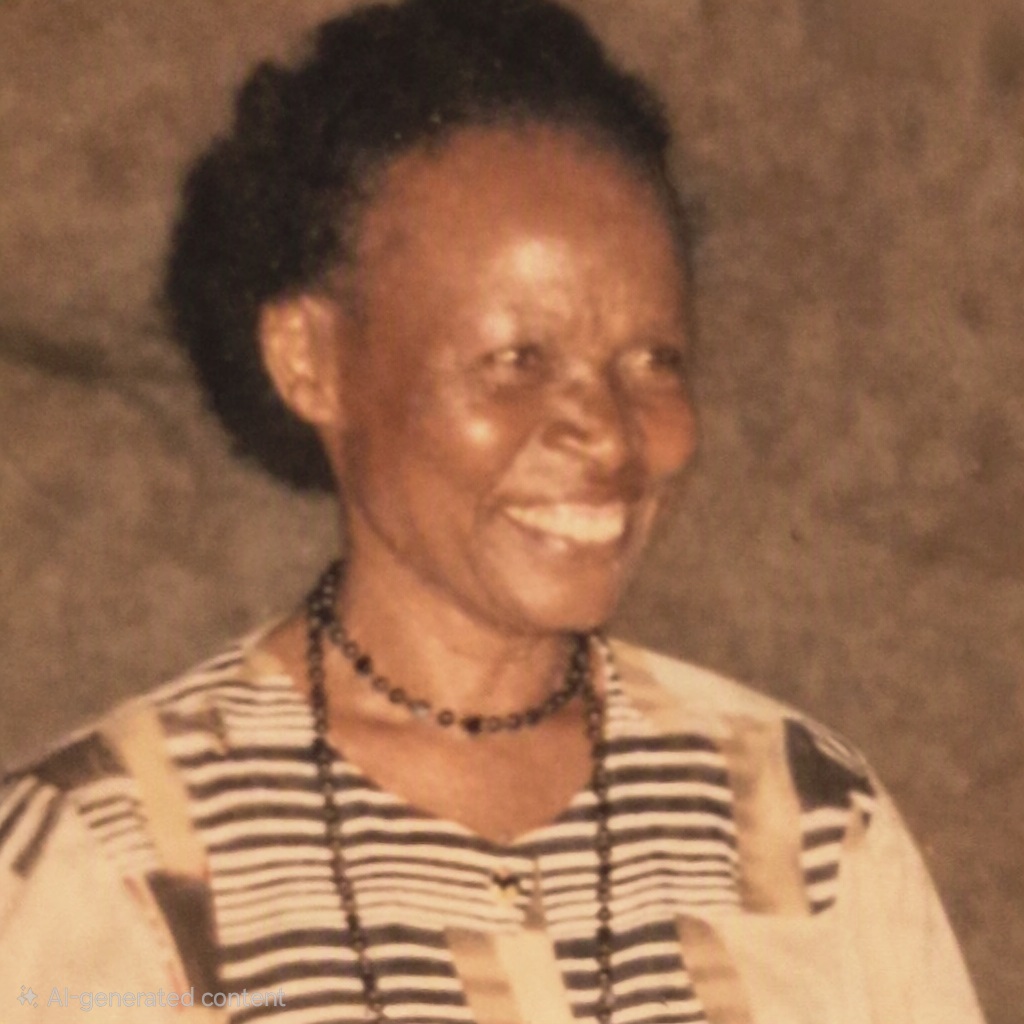
A girl sent to school: where it all began
Mary Munei was born on 28 November 1939 in Kasiamo village, Sirisia, in Malakisi Location in what was then Bungoma District, Western Kenya, to Mzee Nashon Nasiuma and Mama Tunai Nabumuoni. At a time when not every girl was sent to school, her parents chose a different path for her.
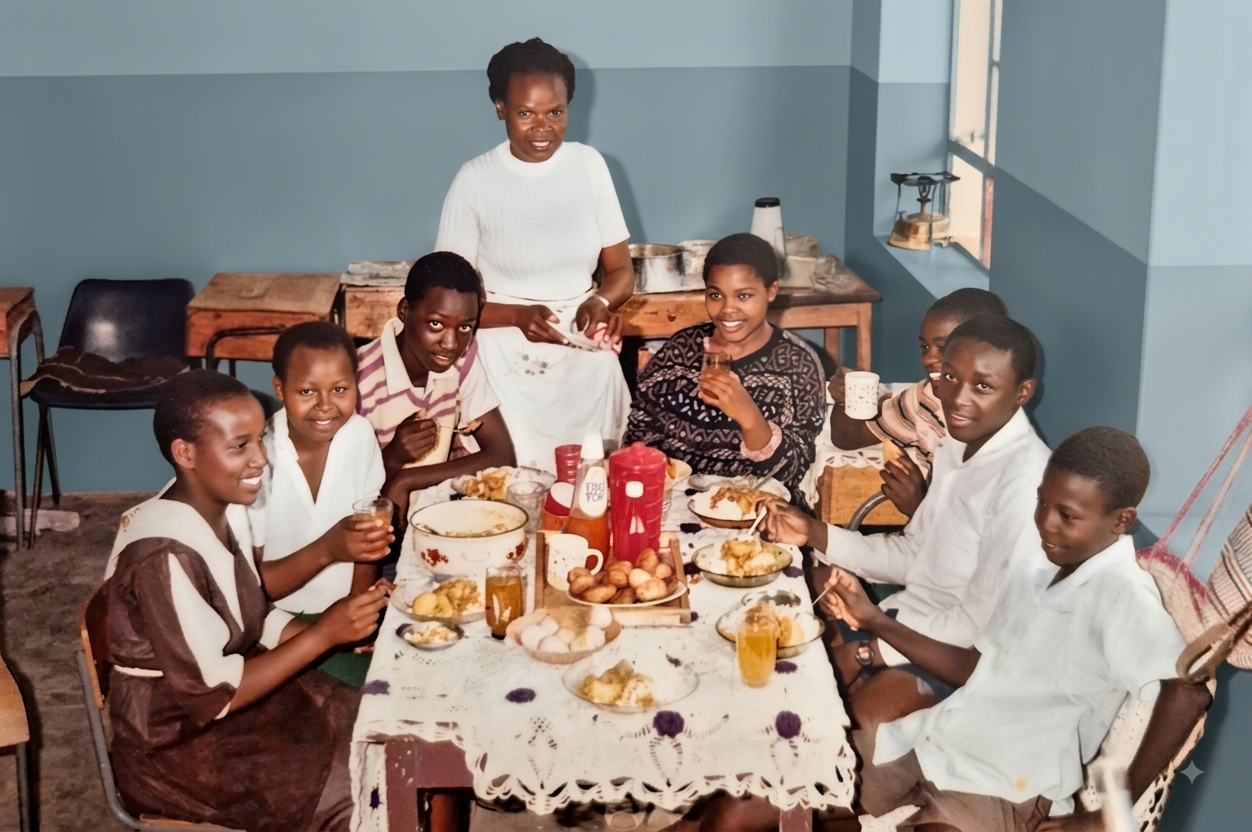
She attended Sirisia Friends’ Primary School, Butere Girls High School and Siriba Teachers Training College, where she trained in Home Science: nutrition, health, cookery and bakery, needlework, adolescence, health in the home and at school, first aid, human development, challenges facing young people, shelter and household management. These disciplines became the foundation of a life spent making daily life better for others.
To her, Home Science was never only a curriculum. It was a practical field of knowledge that deserved the same care and rigour as any other branch of education.
Forty years at the blackboard
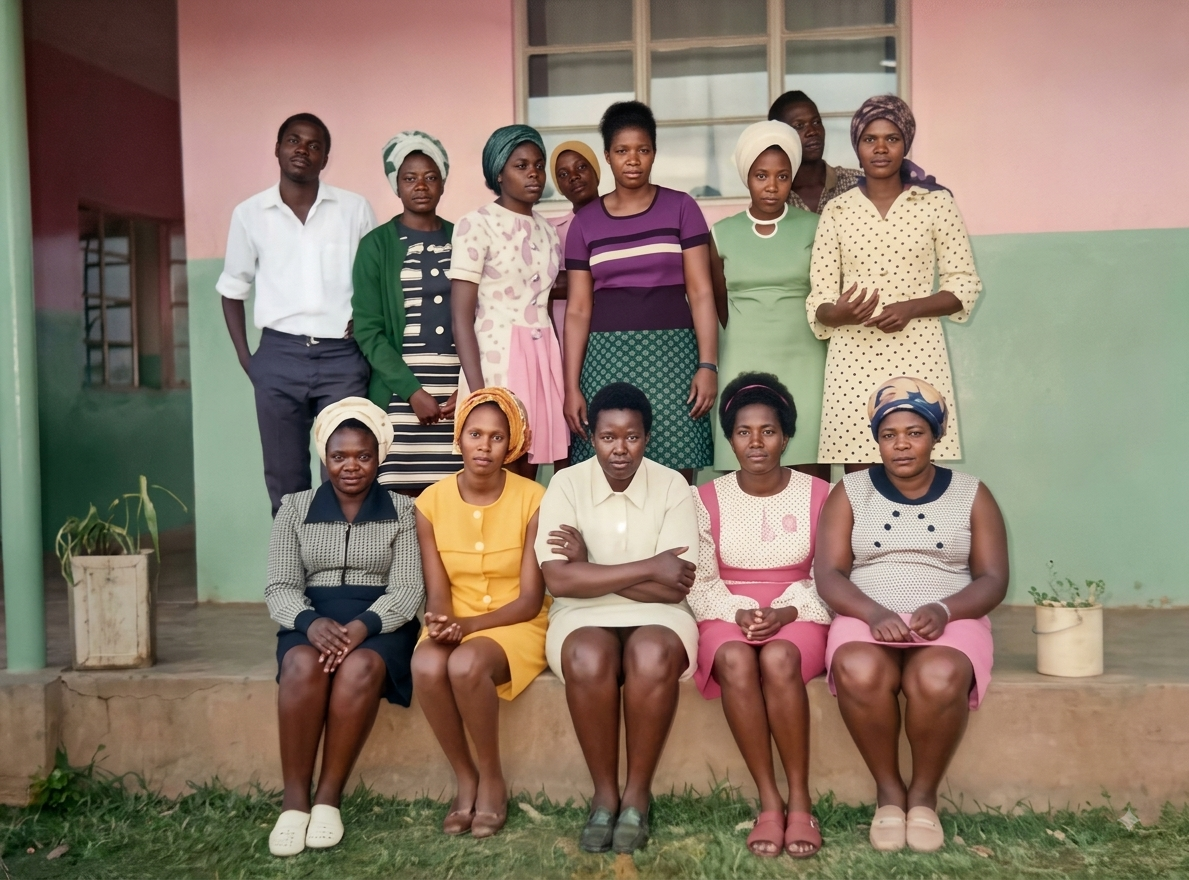
For four decades she taught Home Science and Applied Science in schools across Bungoma: Chwele, Chesamisi, Namang’ofulo, Commonwealth School and Makutano. Pupils learned the practical foundations of daily life — healthy meals, safe homes and soil care — alongside their academic lessons.
She kept growing as a professional too, studying at Kenyatta College, Kenya Science Teachers College, the Kenya Institute of Education, Karen College and the Kenya Israel School of Social Work in Machakos. Her competence reached across art and craft; modelling; childcare; personal and environmental hygiene; housing, water, ventilation and refuse disposal; food hygiene; family diet across every stage of life; dressmaking; counselling and mentoring; and environmental management.
Over the years she taught thousands of students, young teachers, mothers and neighbours. Many left her classroom with more than practical skills; they carried away diligence, respect and a newfound confidence that they could improve their own households.
A woman of service across the nation
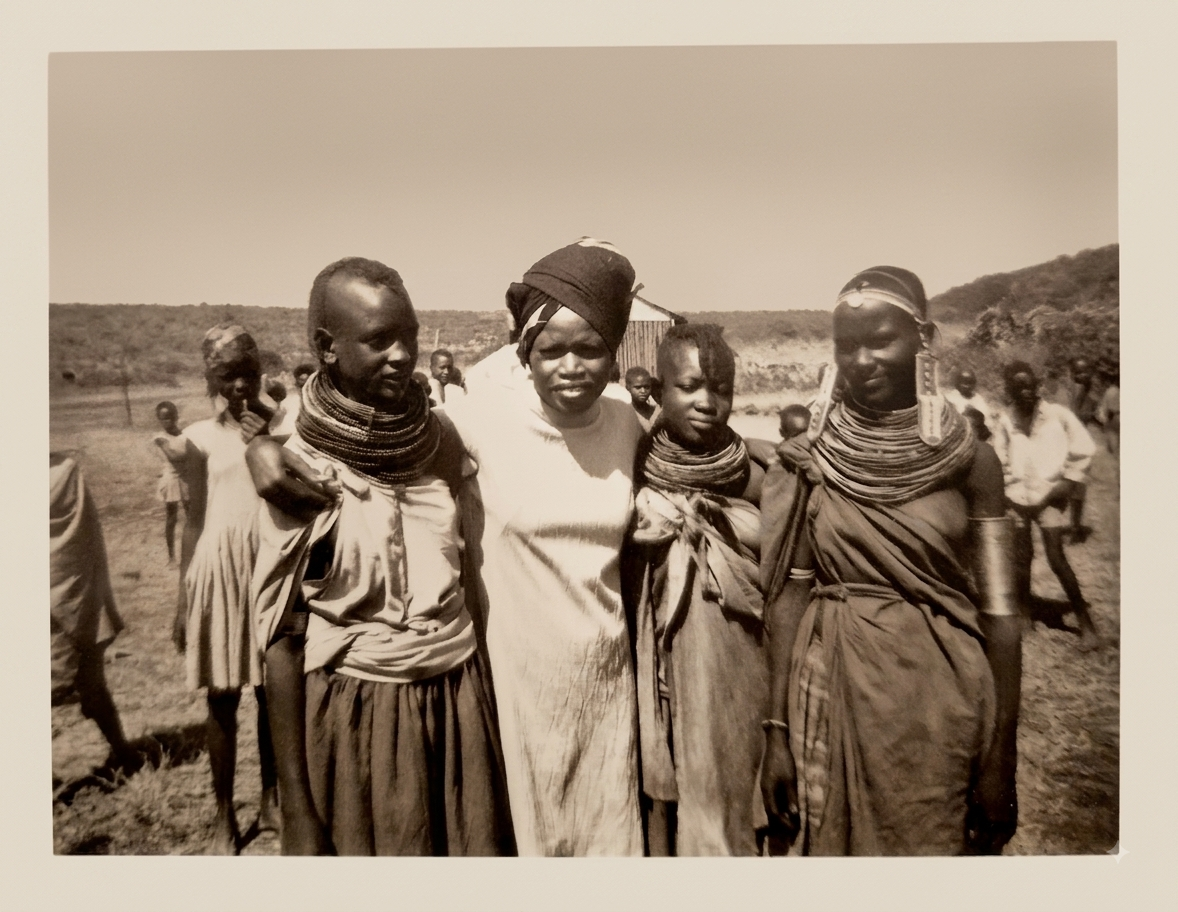
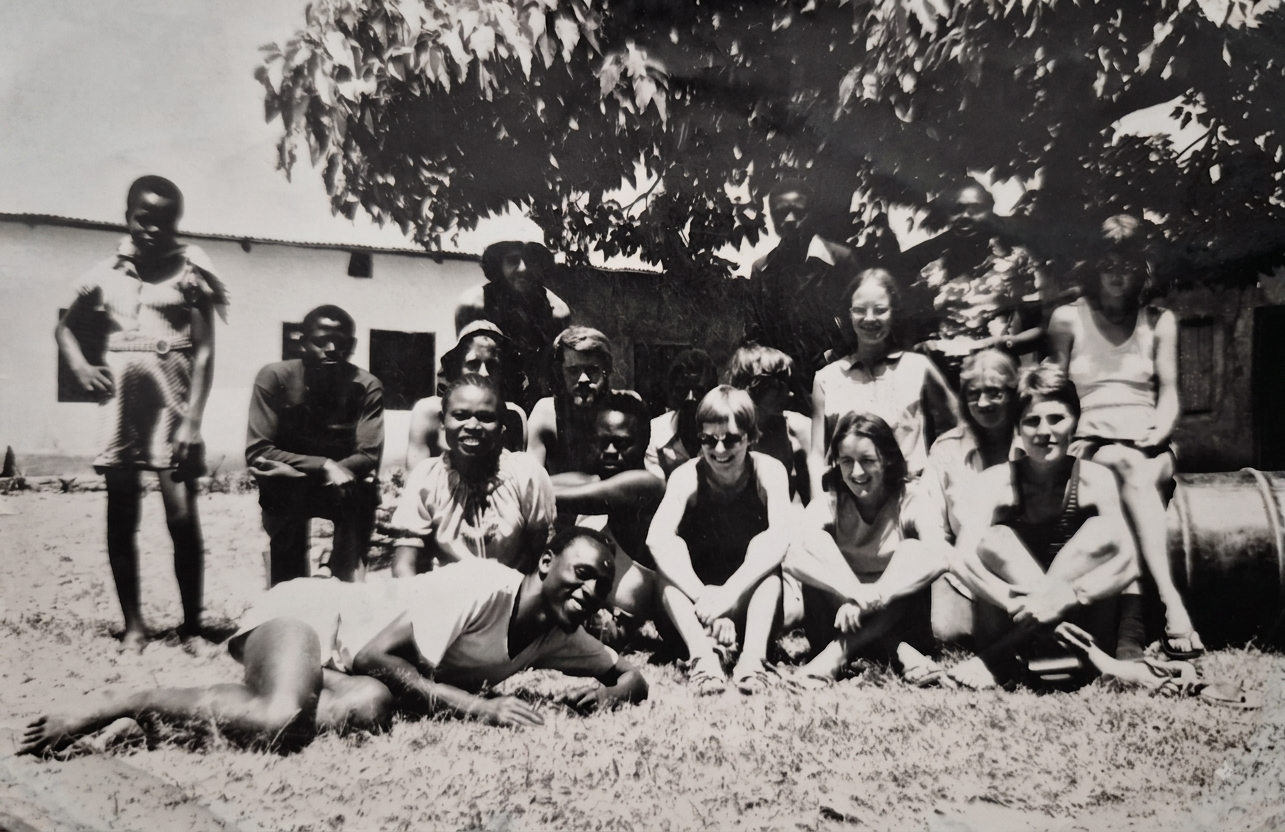
Between 1961 and 1980 she led and catered for international work camps across Kenya, including Machakos, Kilifi, Maasai land, Bungoma, Kakamega, Nyeri, Homa Bay, Kwale, Murang’a, Taita-Taveta, Samburu and Busia. She fed, organised and instructed young volunteers on these community-building projects.
At these camps, local knowledge met international perspectives in daily exchange. She made friends from across the world, especially the United States, the United Kingdom, Norway, Denmark, the Netherlands and many other countries. In conversation and shared work, indigenous practices and global insights informed one another, and the exchange brought fresh energy to approaches she already knew from home. Those experiences shaped her conviction that communities grow strongest when home-grown wisdom and international friendship reinforce each other.
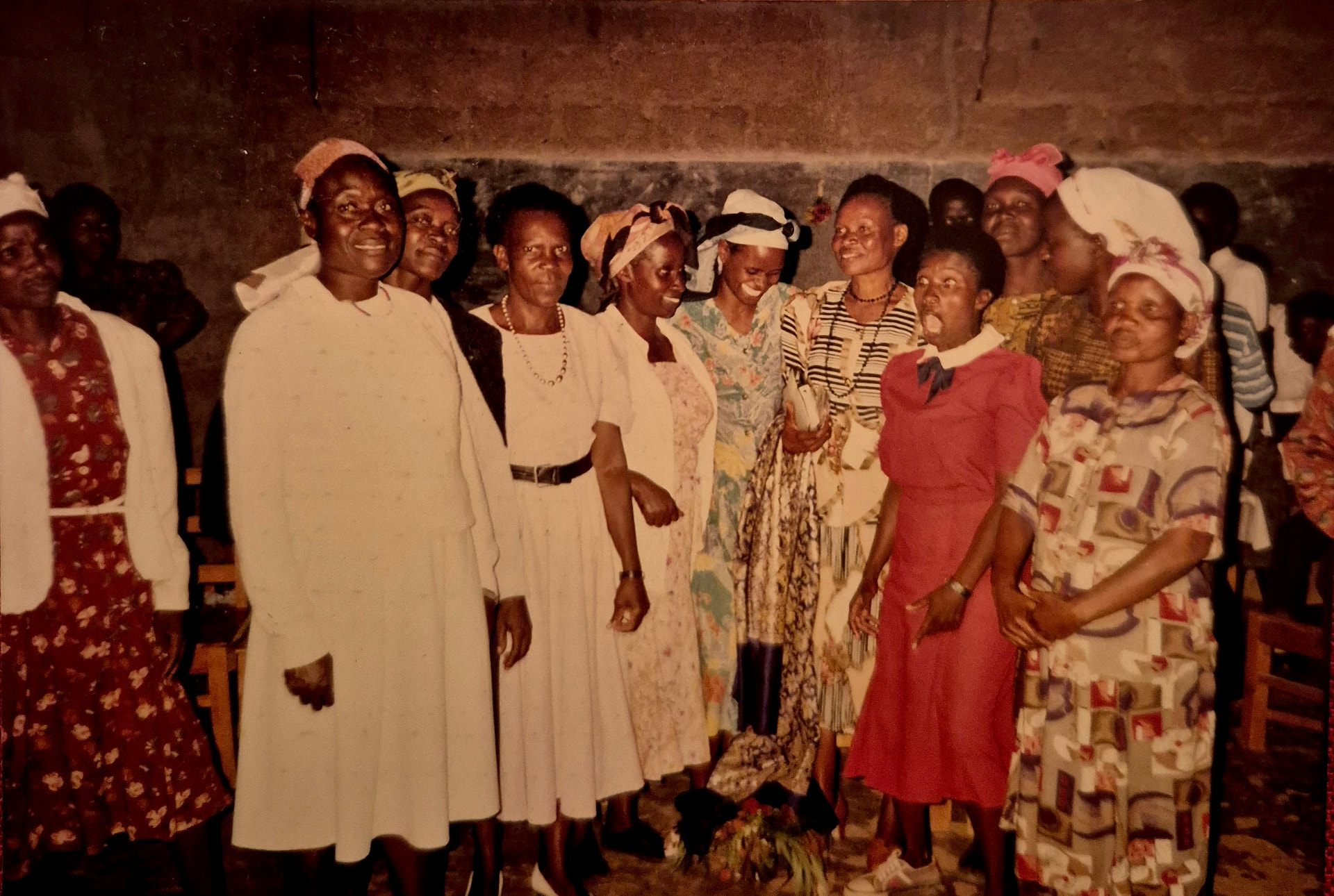
She served as Chairperson of the Bungoma Women Teachers Association and Vice-Secretary of Maendeleo ya Wanawake (Women’s Progress), Bungoma District, and held national office in the Kenya Voluntary Work Camps Association, including National Vice Treasurer.
Throughout, her focus remained steady: expanding opportunity for women, keeping children in school, and treating community health as a shared responsibility.
Her hands, her soil, her classroom
In 1973, using her own limited resources, Mary Munei acquired an initial two acres of land. She worked the plot herself, turning it into a living classroom where gardening and agroecology could be practised and observed at first hand.
Her purpose was demonstration itself. She wanted to show that techniques successful on one smallholding could be replicated elsewhere with patience and skill. As the proof of concept took hold, she acquired more pieces of land and extended the same practices across the holding.
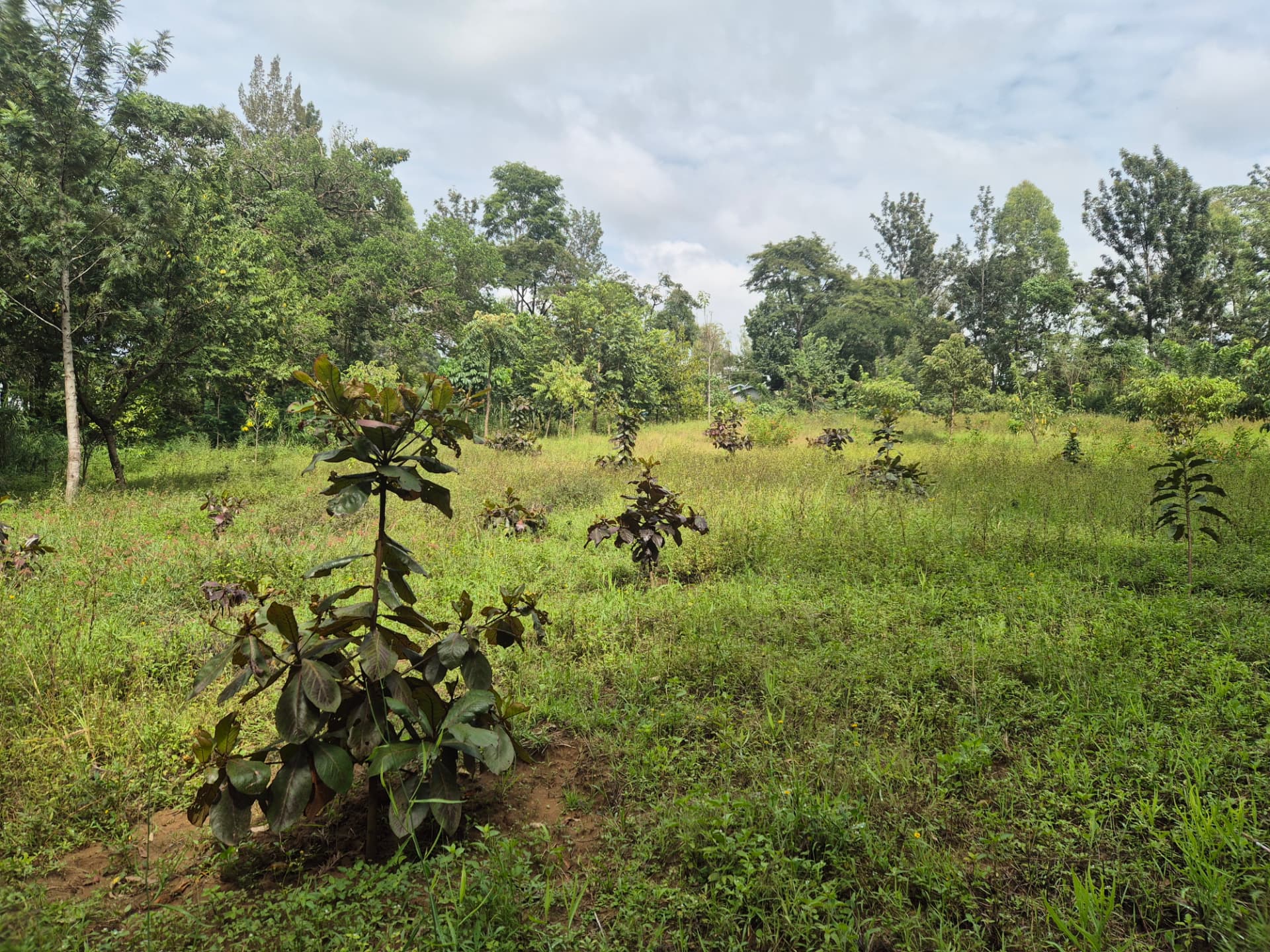
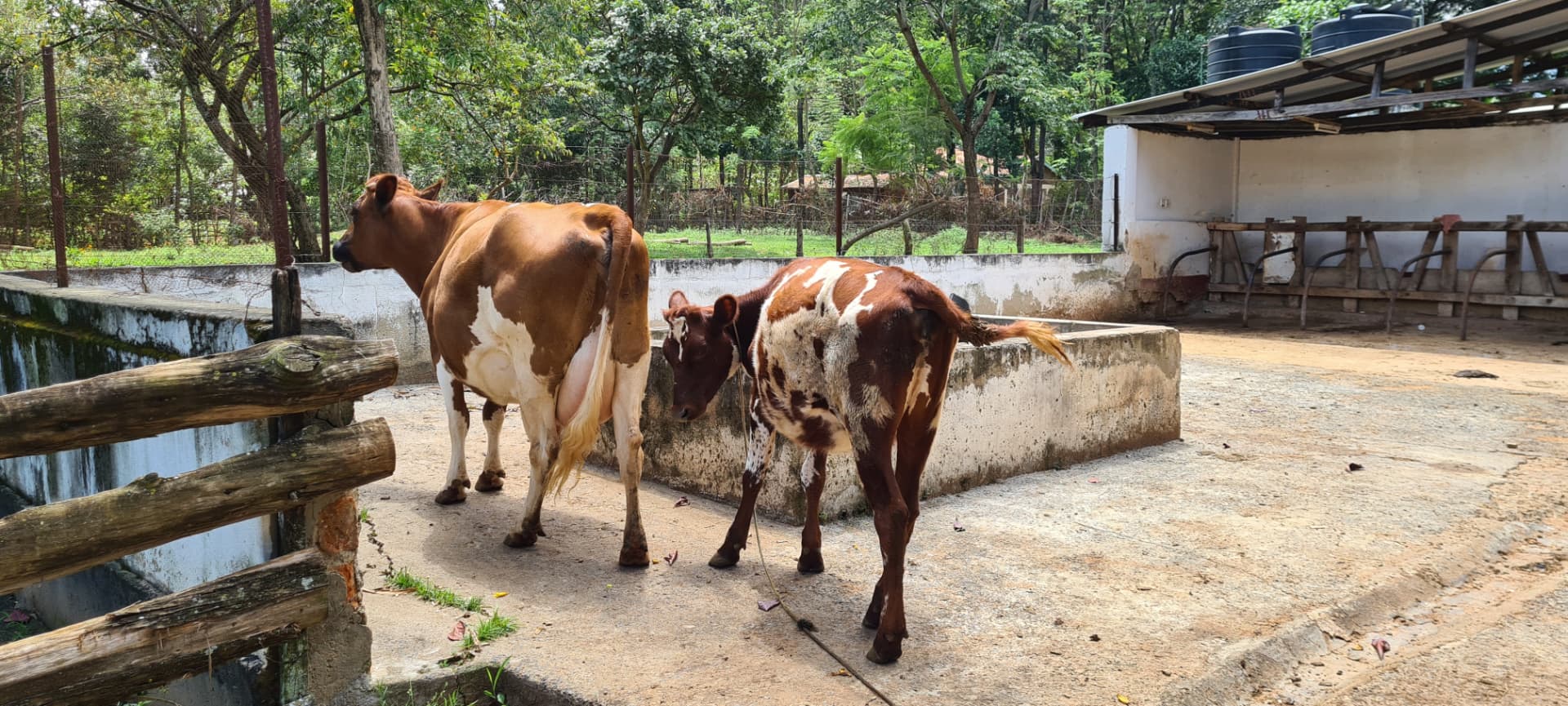
On the original plot she developed a working model of permaculture and agroforestry, producing a wide variety of tropical fruit, vegetables, legumes, bananas, dairy, poultry and honey throughout the year. She planted trees extensively and maintained a nursery that supplied seedlings to anyone who asked.
The farm became a place of learning for agriculture and environmental conservation. Government officials, extension officers, church leaders, teachers, women’s groups and neighbours visited regularly, and most left with knowledge or plant material they could put to use.
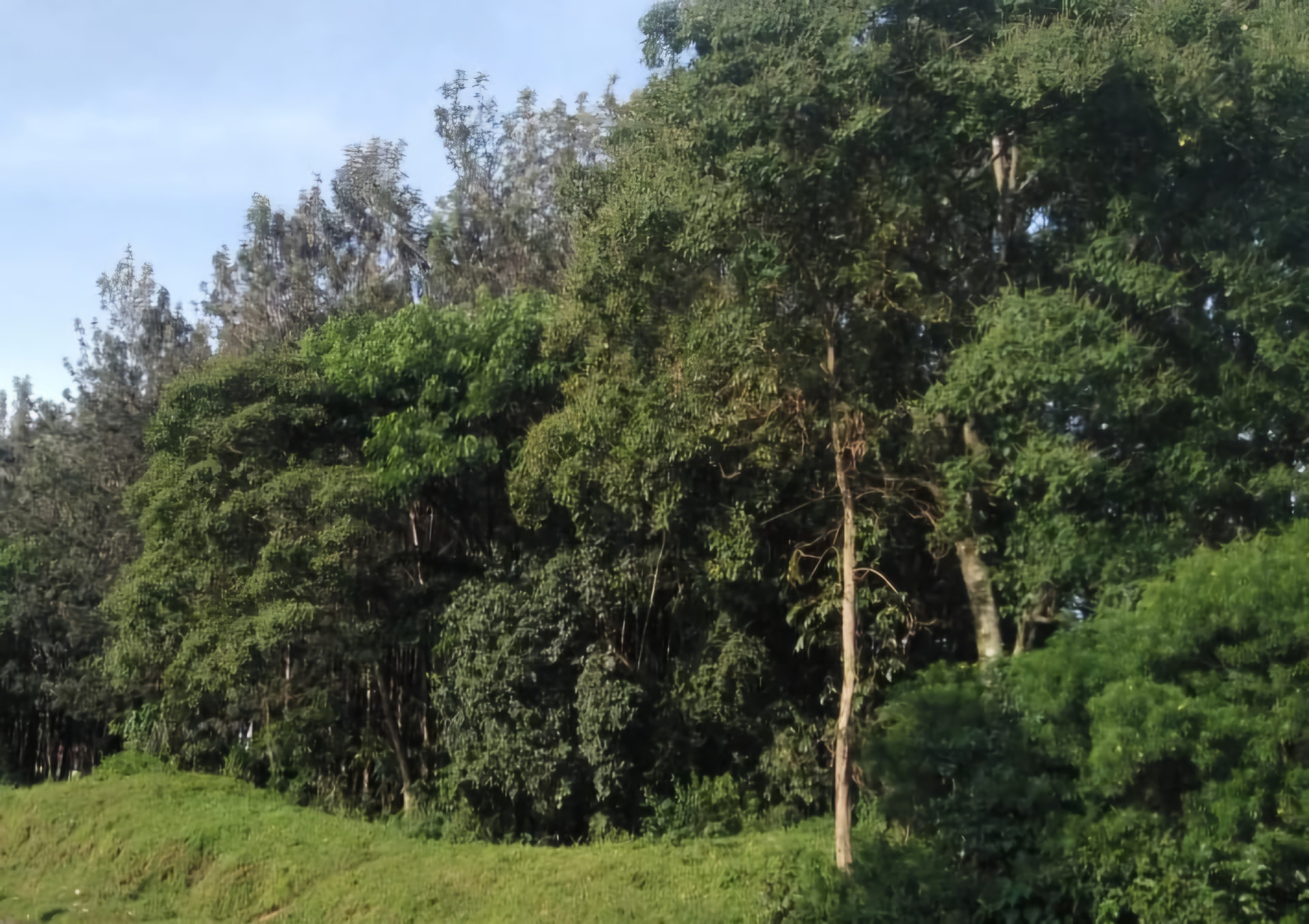
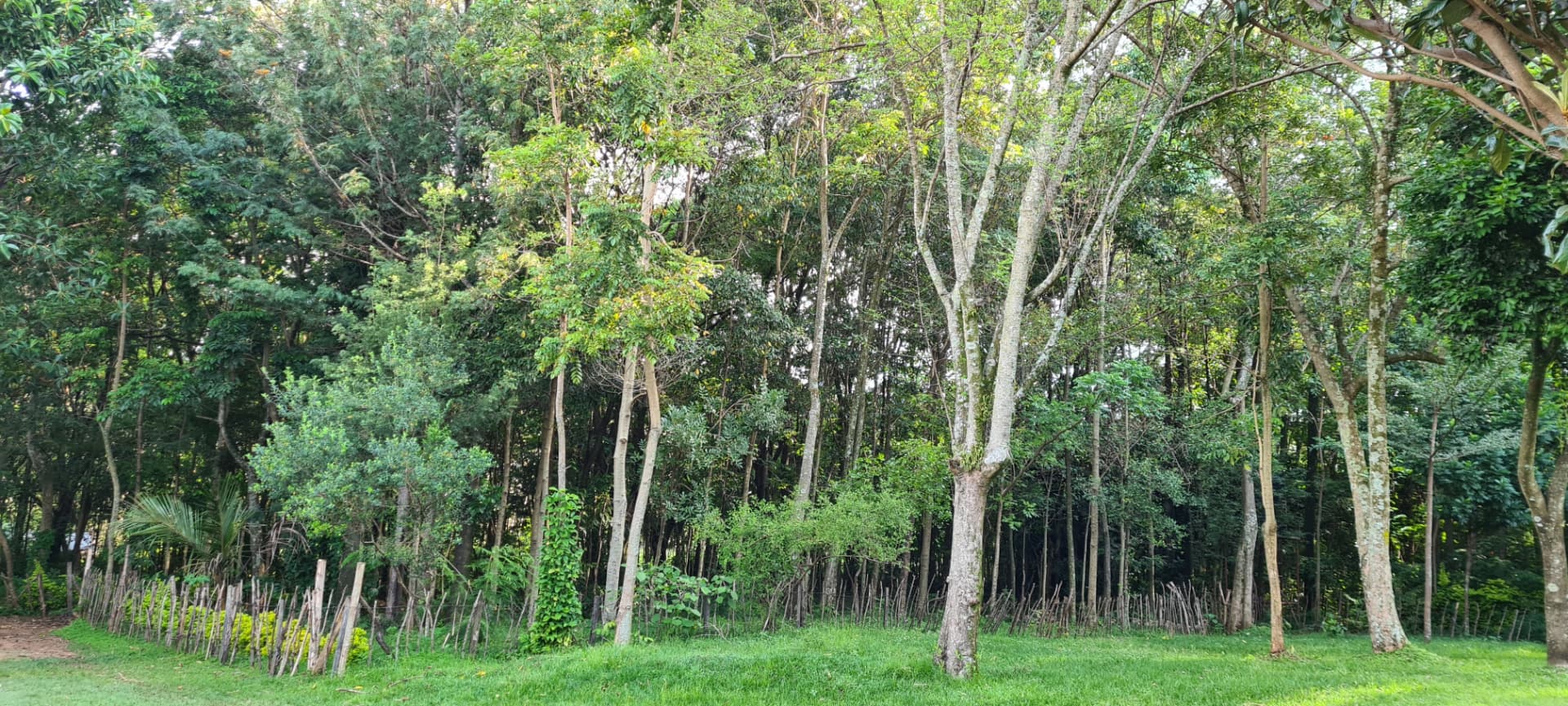
Mary Munei led by example. She could be found on her knees in the soil, pruning an orchard tree with her own tools, or showing a neighbour how to tend a seedling, apply mulch, install improvised drip irrigation, or even make silage. She also knew when to delegate, and she trusted others to carry the work forward. The holding has since grown into a nine-acre urban forest; the expanded ground was developed by her successors, who followed her example of direct, hands-on engagement.
She led by example, with persistence and resilience.
A voice for women in public life
Her influence extended into public life. She served as Officer in Charge of the Home Industries Section of the Agricultural Society of Kenya, Western Province, and as Chairperson of the Women’s Wing at Tuuti Reformed Church, Bungoma, where she helped facilitate the translation of the Bible into KiBukusu.
She coordinated the Consortium of Self Help Groups in Bungoma District and served with the National Christian Council of Kenya on its Family Life Education Programme.
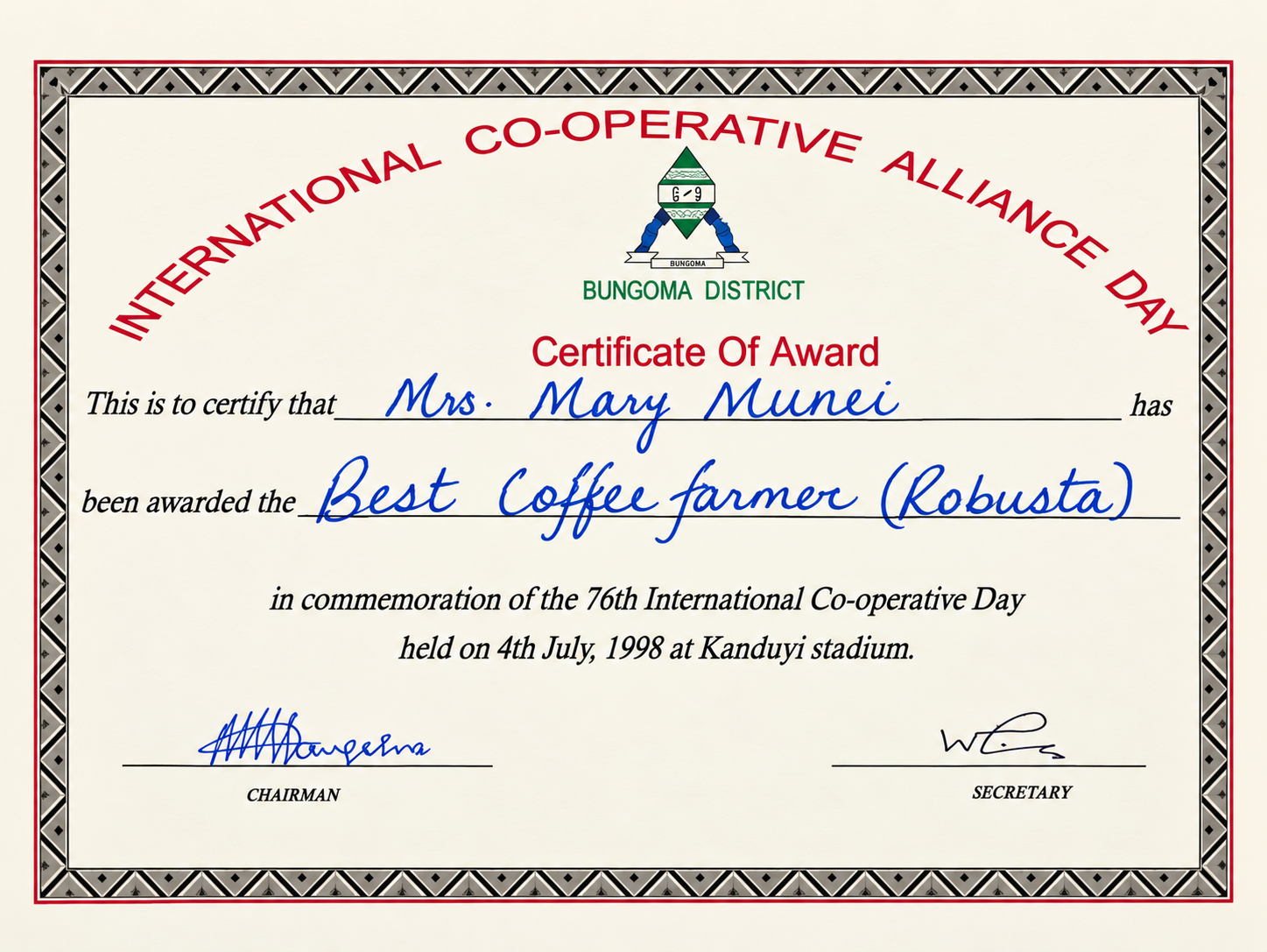
She received regional and national recognition, yet her own measure of success remained unassumingly practical: a household eating better, a girl remaining in school, a hillside retaining its soil.
The person she was
Mary Munei was a commanding presence, warm, exacting and deeply engaged with the people around her.
She was known for fairness, honesty, humility and respect, qualities that made her trusted in every institution she served. She gave her time, produce and resources to those with less, consistently and without fanfare.
That integrity is why her name is still remembered with affection in Bungoma today.
What she left behind
Mary Munei’s life combined four decades of teaching, extensive voluntary service and a pioneering smallholding that demonstrated regenerative agriculture at the grassroots level. Her influence is visible in the trees still standing and in the people who continue to lead in their communities.
Through the Mary Munei Foundation, that inheritance is carried forward in landscape regeneration, community strengthening and the integration of cultural knowledge with sustainable development.
One woman, two acres, a nursery of seedlings and a lifetime of hands-on service. The work she began continues to shape the ground she loved and cultivated.