
Featured project
Mkelekeleni Ridge Regenerative Project
Nestled in Mwarutswa Village, Kwale County, adjacent to the Ramisi River.
Overview
A living demonstration across 110 acres.
Mkelekeleni Ridge spans 110 acres of restored landscape, showing how degraded agricultural land can be transformed into a thriving ecosystem. Acquired in 2006 after decades of intensive cultivation, the land was initially planted with 70,000 casuarina trees. Though a monoculture, these trees stabilised the soil and created conditions for a hidden indigenous seedbank to awaken. Nearly two decades later, native vegetation has reappeared, forming the foundation for full ecological restoration.
Location
In the coastal hills of Kwale County.
The Ridge sits on Kenya’s south coast, within sight of the Ramisi River.
Kwale lies between the Indian Ocean and the upland forests of Shimba Hills, a landscape of river valleys, coastal forests and smallholder farms where community and ecology have been intertwined for generations.
Restoration & Biodiversity
Native species returning after two decades of care.
In the 30 months leading to July 2026, the project accelerated recovery through the planting of 20,000 indigenous trees, replacing casuarina stands with diverse native species. The Ridge now supports wetlands and a remarkable range of wildlife — from tortoises, guinea fowl, vervet monkeys, monitor lizards, owls, wild pigs, serval cats, snakes and African pythons to rare species such as an albino python and a mysterious antelope. Occasionally, a herd of Cape buffalo revisits ancestral paths across the land. Two major water bodies — the Ramisi River and a seasonal stream with a waterfall — anchor ongoing riverbank rehabilitation efforts.
Wildlife on the Ridge
- —Tortoises, guinea fowl, vervet monkeys and African pythons
- —Monitor lizards, owls, wild pigs, serval cats and snakes
- —Rare species including an albino python and a mysterious antelope
- —Occasional visits by a herd of Cape buffalo along ancestral paths
Community Collaboration
Restoration poised to scale alongside the people who live it.
The project’s strength lies in its collective model. Restoration activities will continue to be shaped and implemented with youth groups, women’s groups, churches, mosques and community associations. This participatory approach builds trust, accelerates adoption and ensures that conservation translates into tangible livelihoods. It also provides a platform for apiculture, where beekeeping enhances biodiversity while supporting household income, nutrition and education.
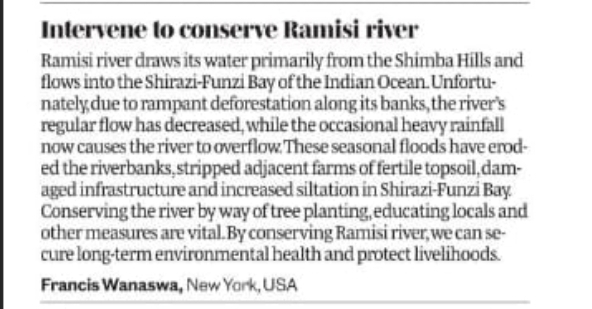
“Intervene to conserve Ramisi river” — a letter to the editor by Francis Wanaswa of the Mary Munei Foundation, calling for tree planting, community education and other measures to reverse deforestation along the riverbanks that feed the Shirazi-Funzi Bay.
Apiculture & Infrastructure
Hives, water, solar and shared learning.
Mkelekeleni Ridge currently hosts 80 concrete and wooden hives and has acquired machines to manufacture durable concrete Langstroth hives. These will be installed both within the forest and with community groups, expanding beekeeping as a livelihood and conservation tool. Supporting infrastructure includes:
- —A borehole with 25,000 litre storage capacity
- —A 3kWh solar installation for water pumping and lighting
- —A basic irrigation system
- —Temporary fencing providing initial site protection
These assets form the backbone for scaling restoration and community engagement.
Funding & Partnerships
Scaling impact through catalytic support.
Future funding will enable:
- —Expansion of indigenous tree planting and riverbank rehabilitation
- —Establishment of a large indigenous seedling nursery serving local communities
- —Scaling of apiculture infrastructure and training
- —Strengthening of community partnerships and group based livelihood programmes
- —Installation of permanent fencing to secure the Ridge
- —Extension of the water system to surrounding villages
- —Enhancement of solar power and ecotourism facilities for training and learning
Self-funded foundation.
To date the work has been self funded, drawing on the personal contributions of the founders in finances, time and resources in kind, with occasional seedling donations from friends. It is now poised for partnership and collaboration with like minded entities.
Gallery
Mkelekeleni Ridge, in pictures.
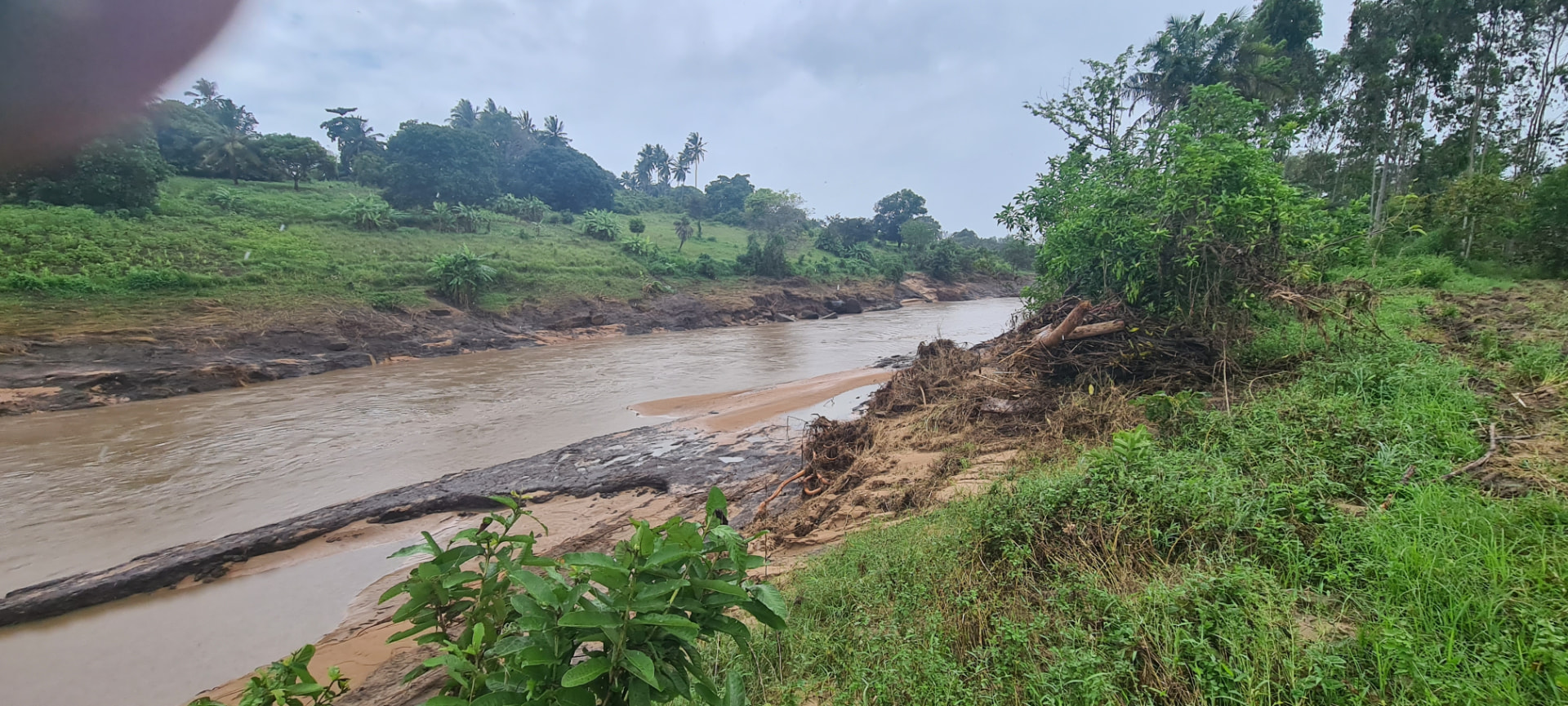
Erosion on the Ramisi
Bare, collapsing banks along the Ramisi after heavy rains — the problem the rehabilitation work addresses.
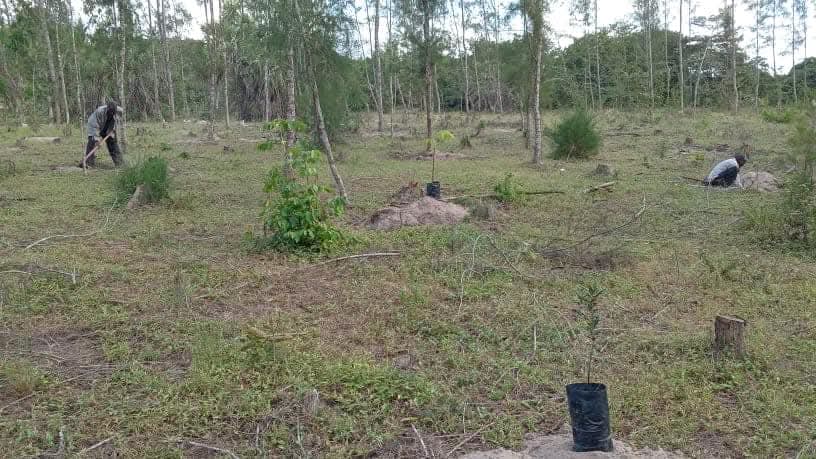
A planting day
Field teams opening planting pits and setting out seedlings across a cleared section of the Ridge.
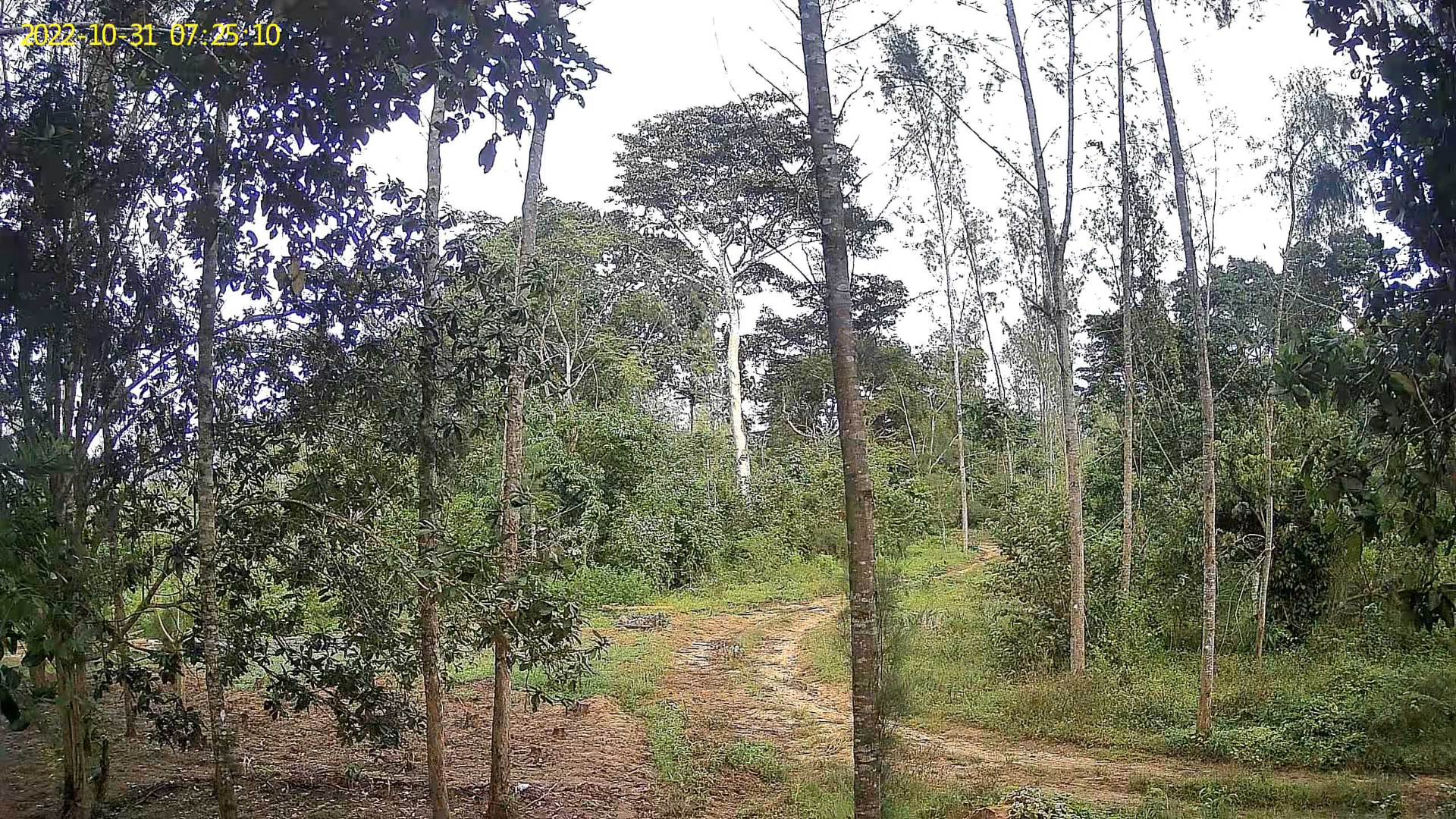
Forest establishing
Young stands closing in along an interior track as the planted forest begins to take structure. A full-size Mvule stands in the background.
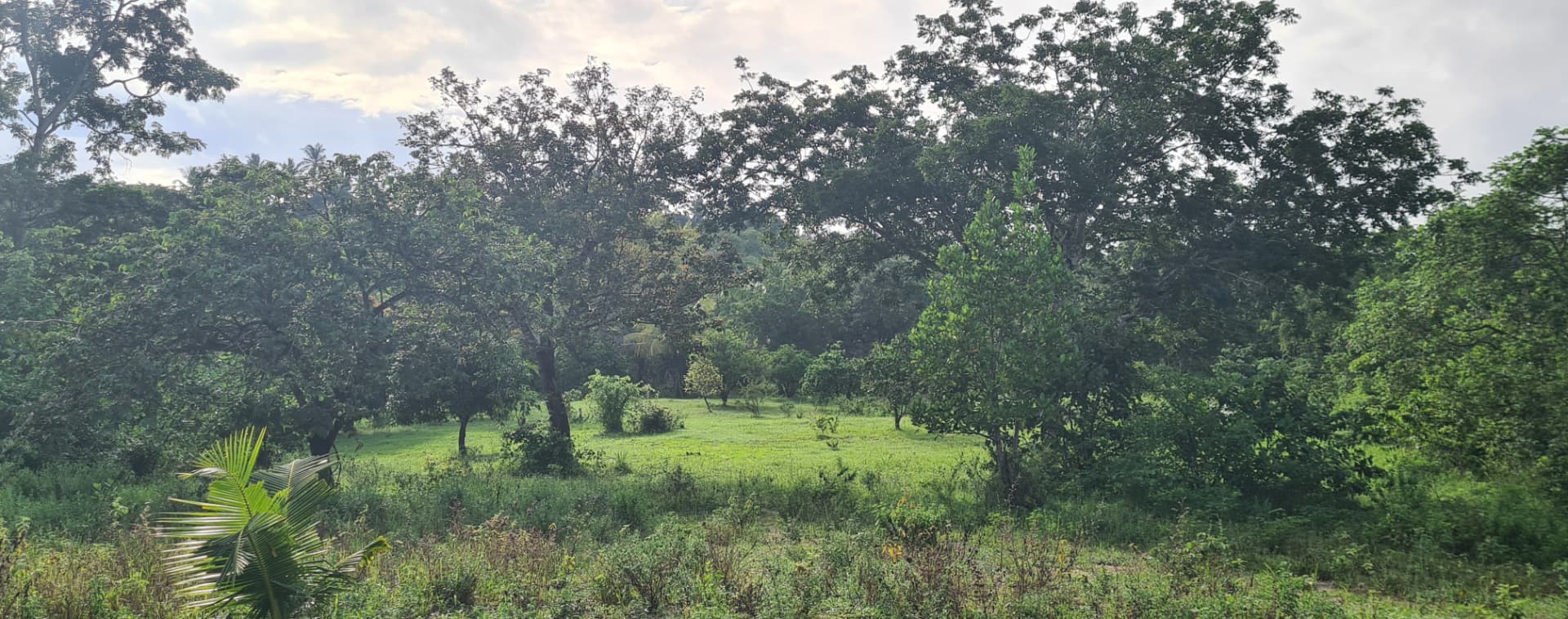
Established woodland
Mature canopy above open grassland, the result of nearly two decades of continuous care.
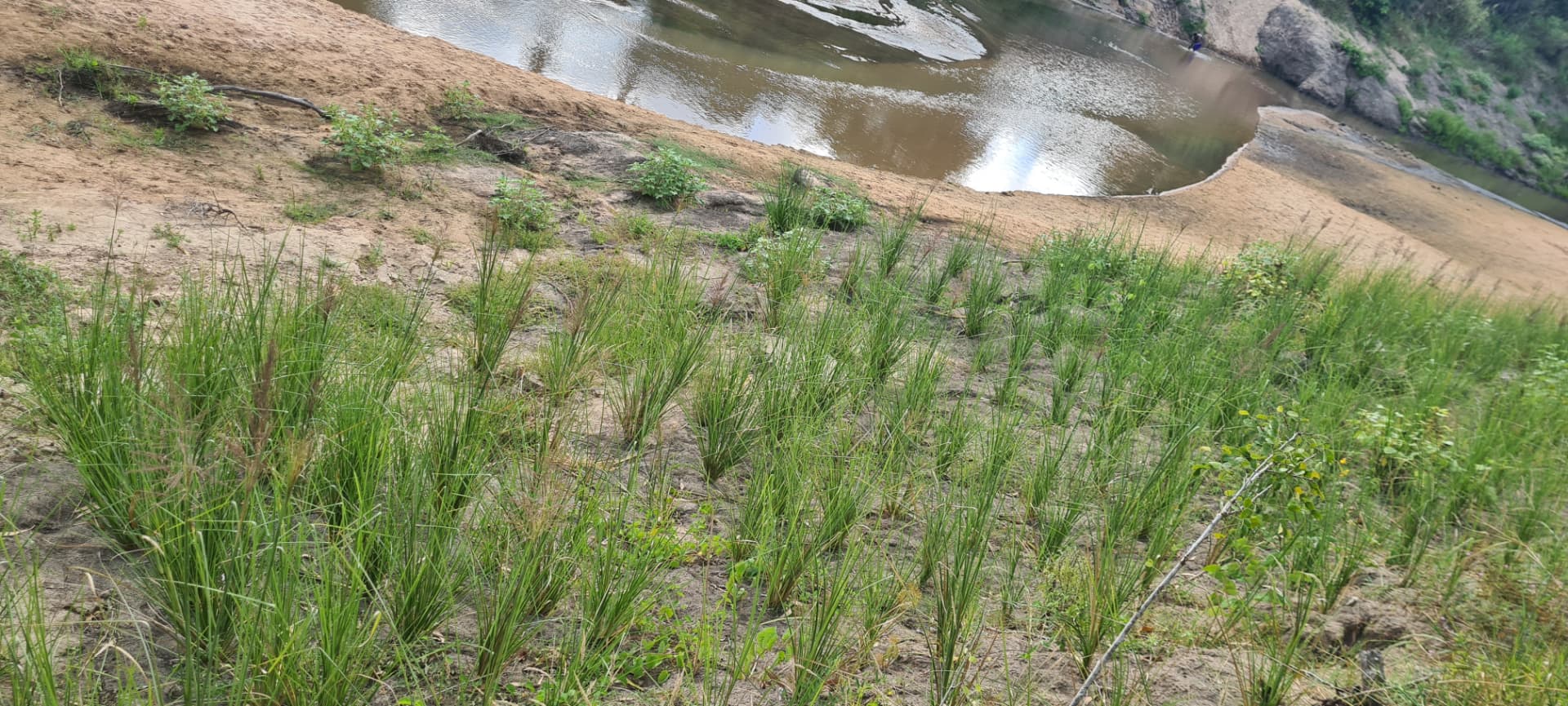
Vetiver on the riverbank
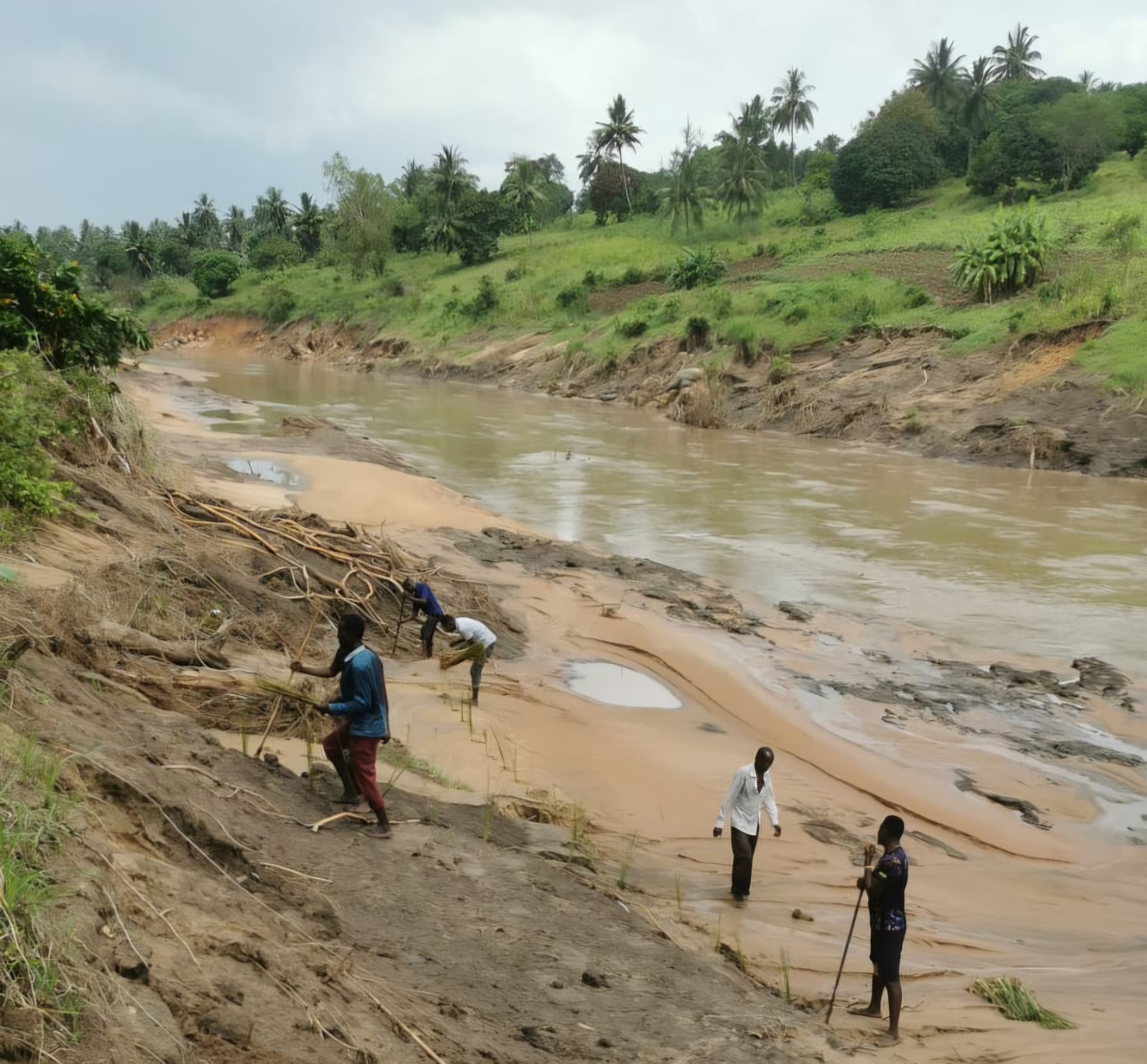
Vetiver grass planted along the Ramisi to bind sand, slow runoff and hold the bank in place.
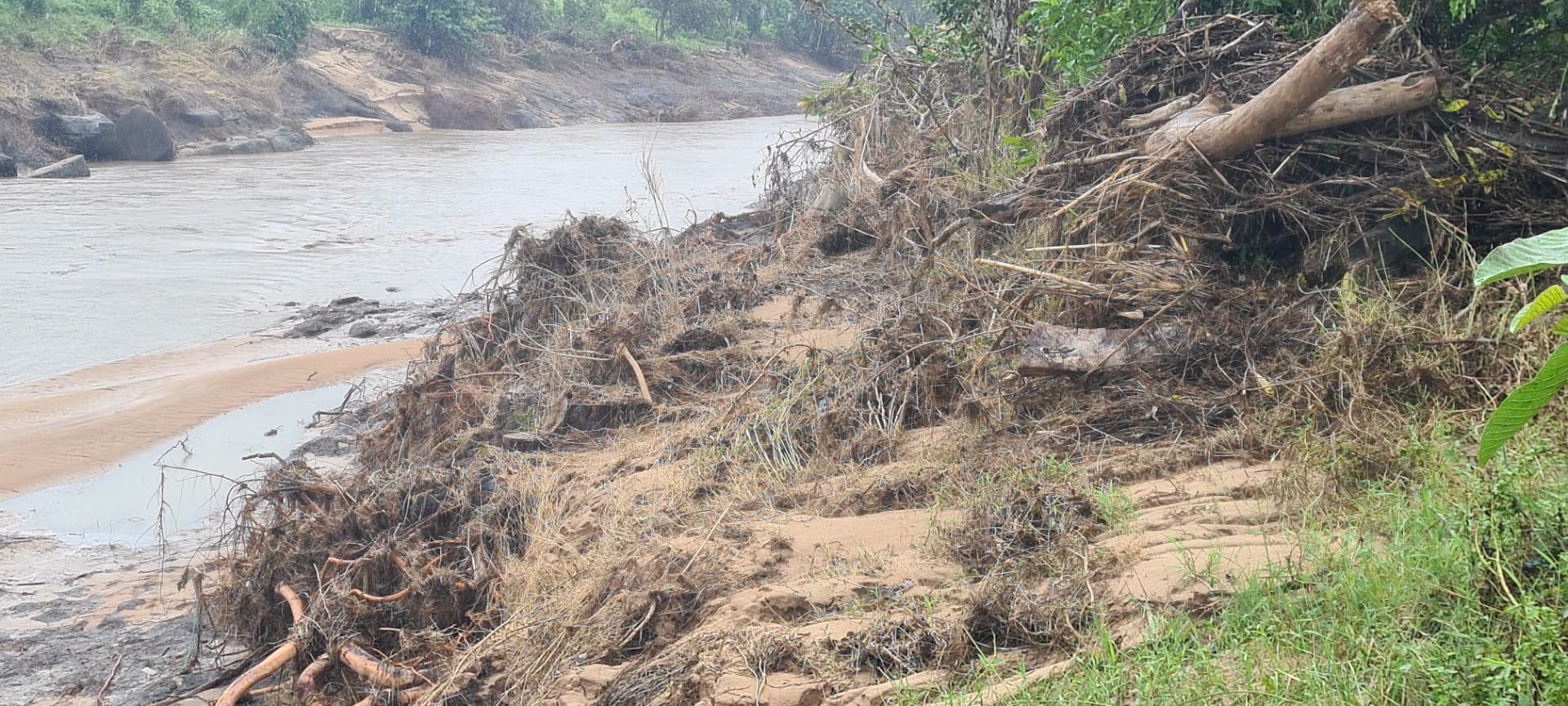
After the floods
Flood damage along the Ramisi, the erosion pressure that riverbank rehabilitation works against.
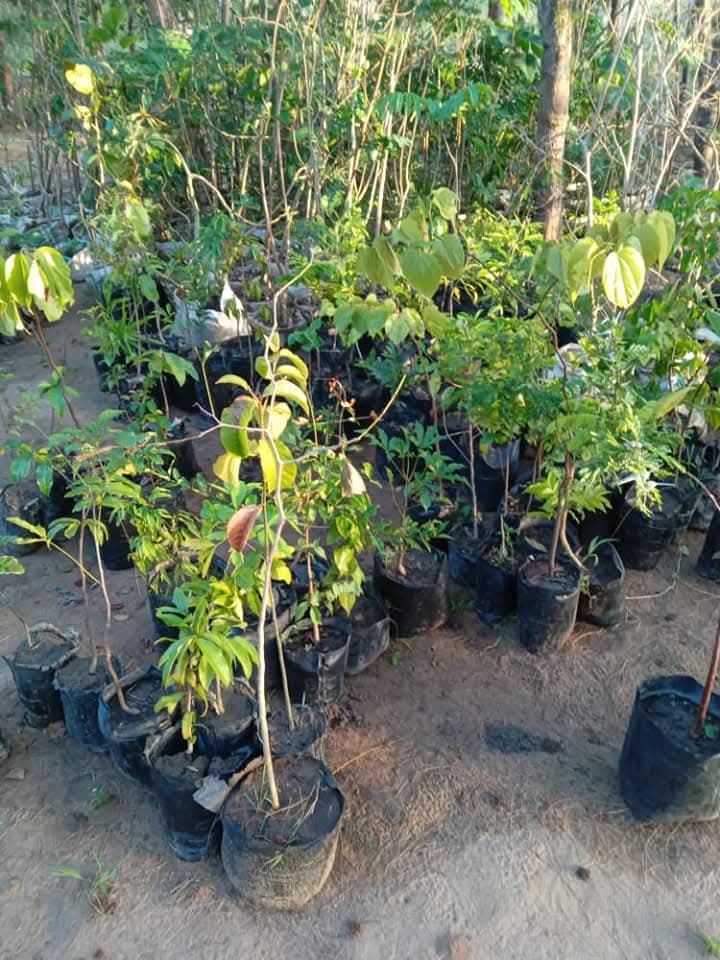
Seedlings ready
Indigenous and fruit seedlings potted and staged ahead of a planting season on the Ridge.
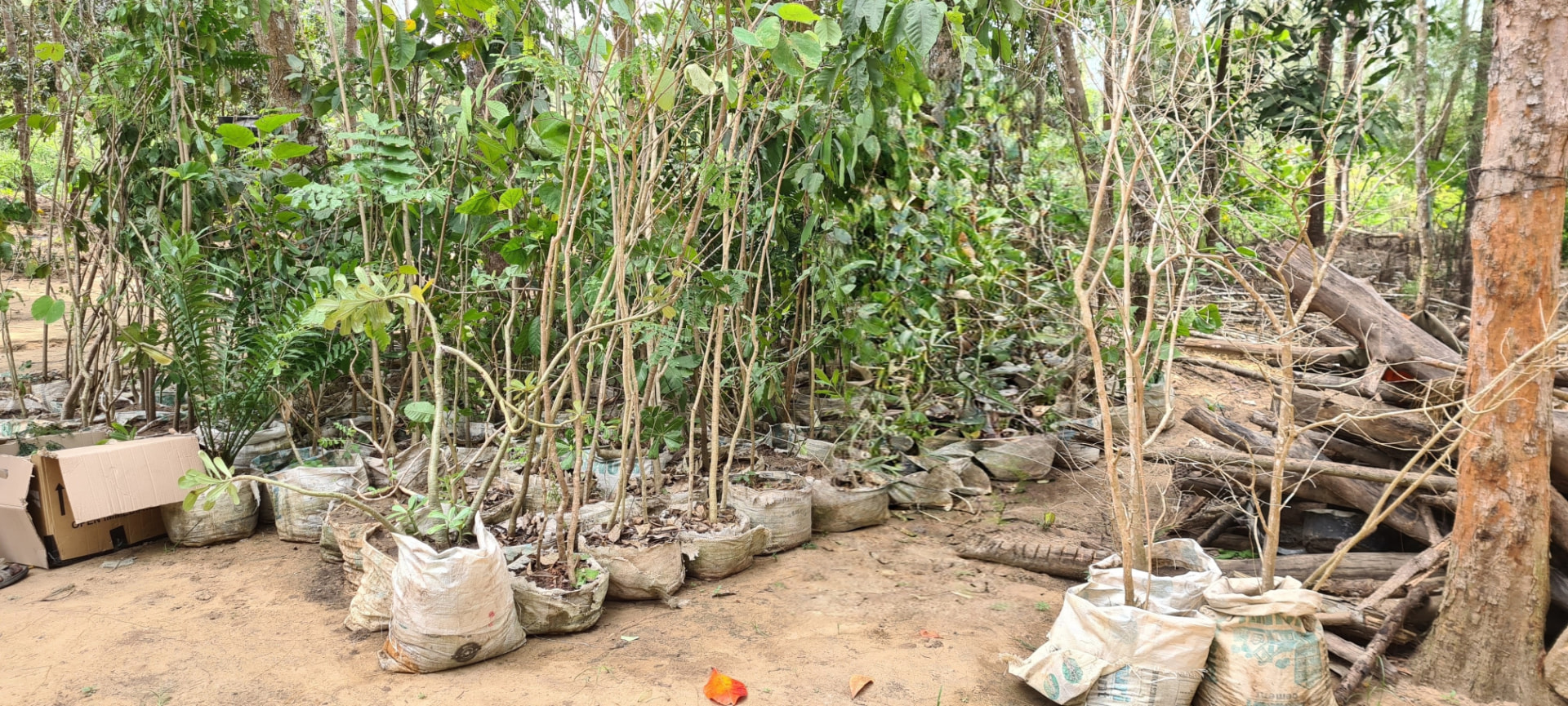
Seedlings donation ready for planting
Potted seedlings staged on the Ridge, ready to be planted into the ground.
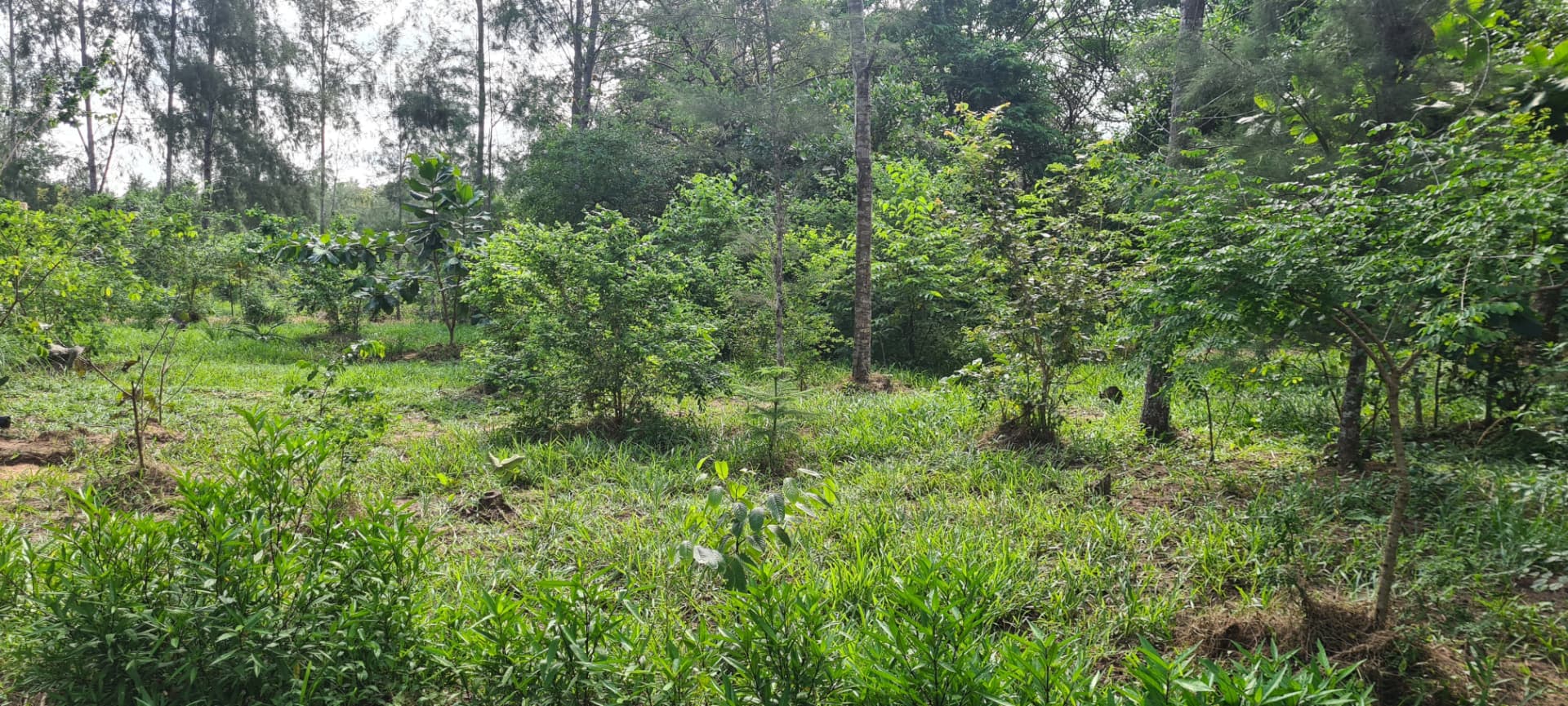
Mixed woodlot
Indigenous species growing in beneath the older casuarina stand as the mix shifts towards native forest.
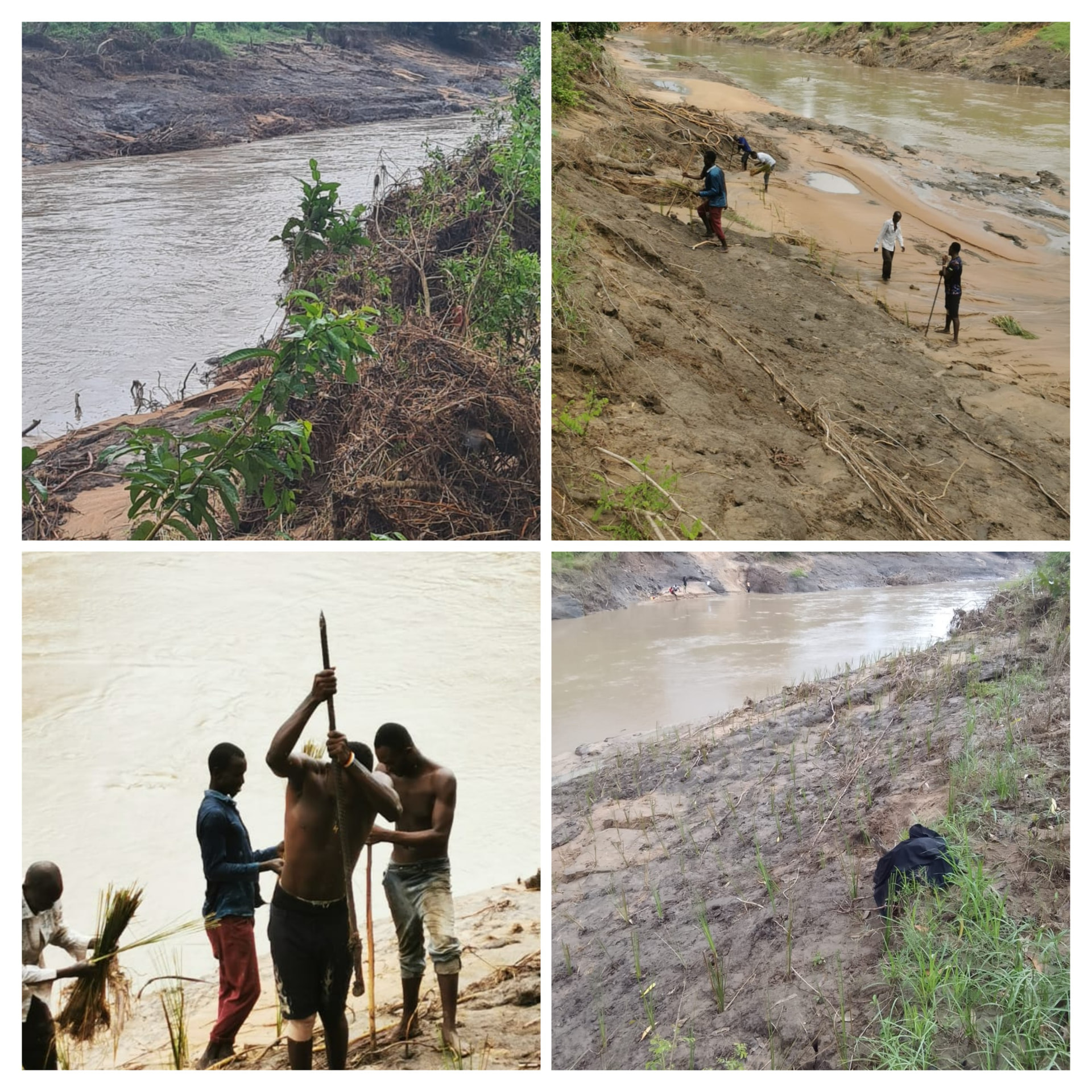
Riverbank rehabilitation
Teams cutting, carrying and planting vetiver slips along the scoured bank of the Ramisi.
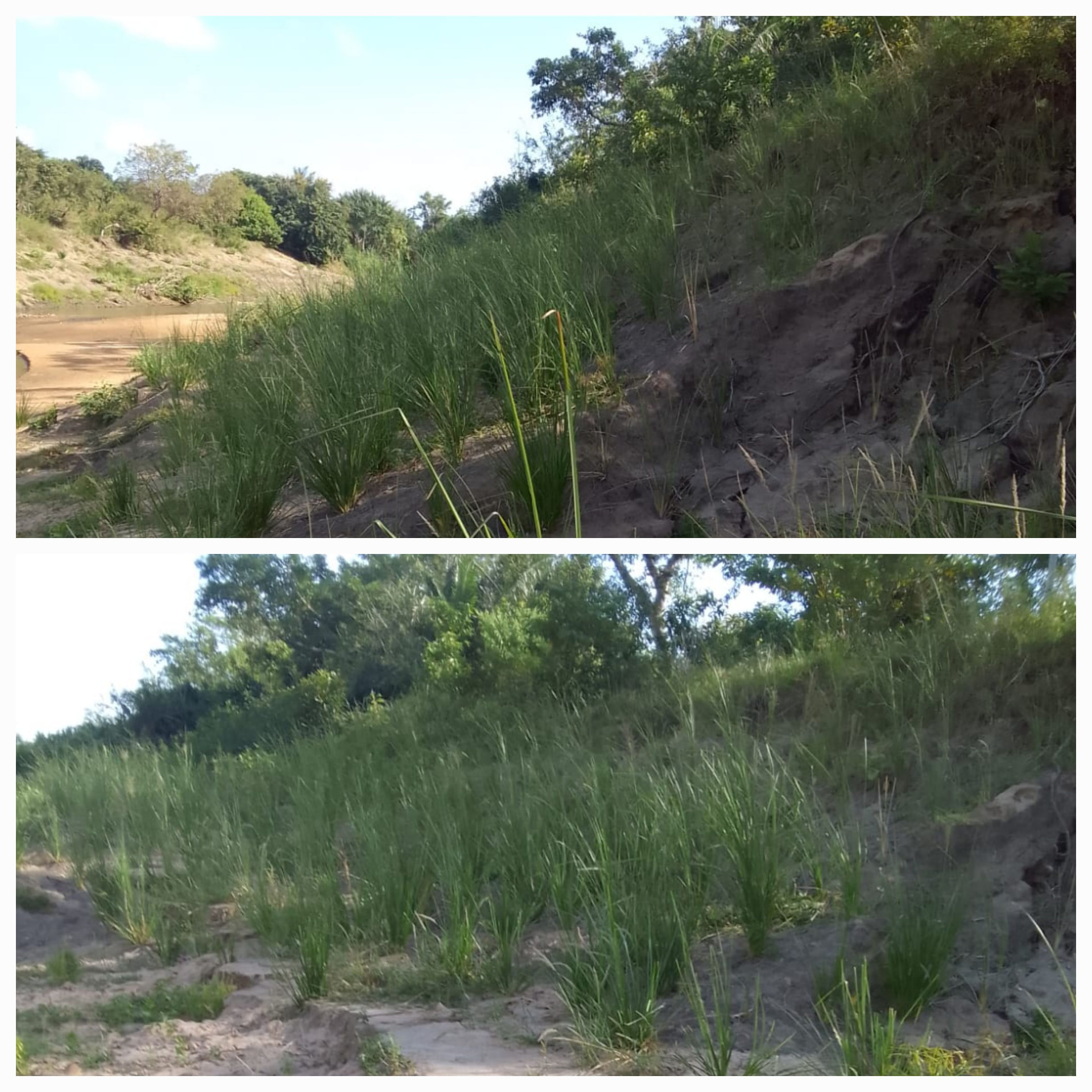
Vetiver established
Vetiver hedgerows holding the riverbank months after planting, trapping sediment and slowing the current.
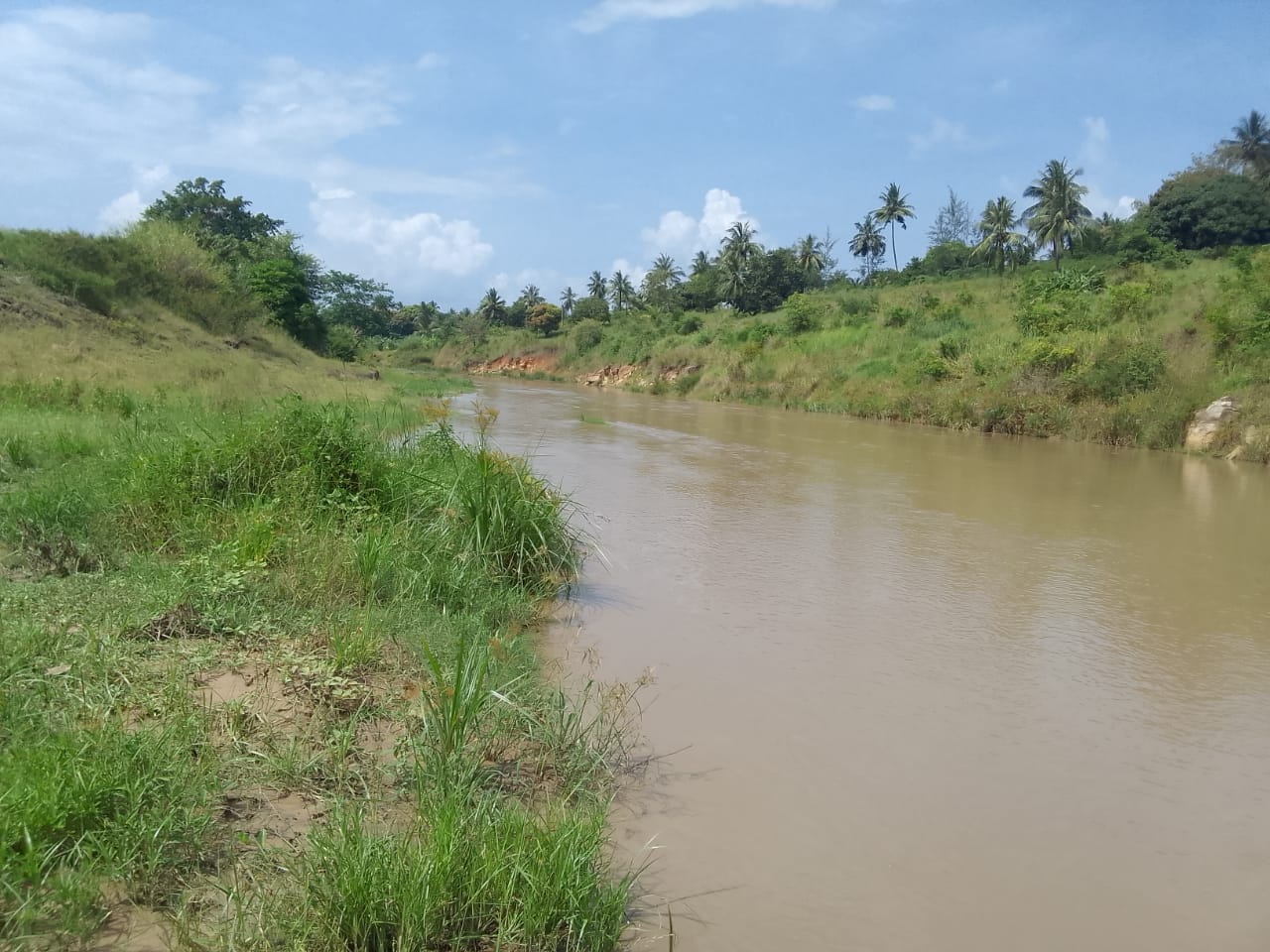
Ramisi River at full volume
Ramisi River at full volume. The banks are unprotected.
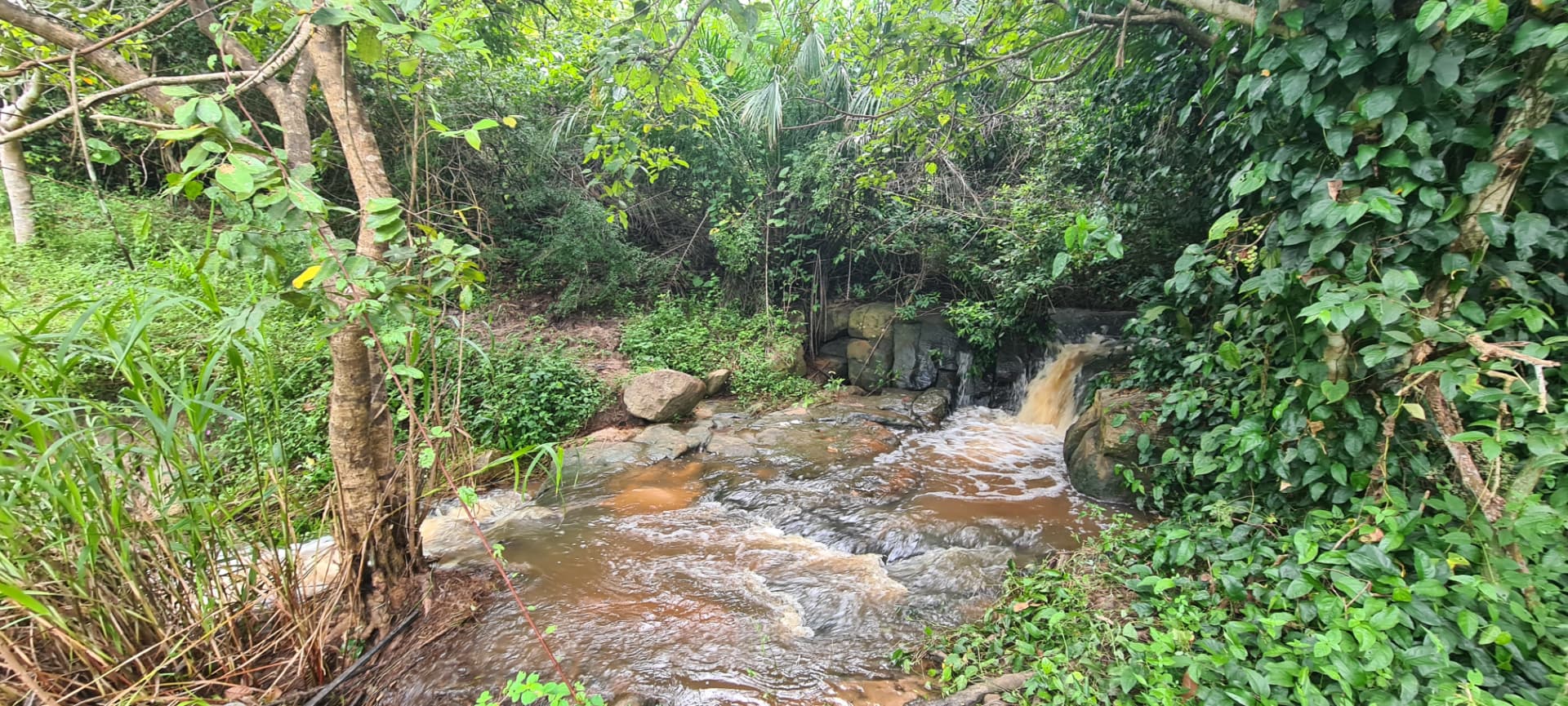
Seasonal waterfall
Rainwater running over rock through the forest, one of the seasonal watercourses crossing the Ridge. The site is one of several shrines (kayas) of the Digo people hosted by the Ridge.
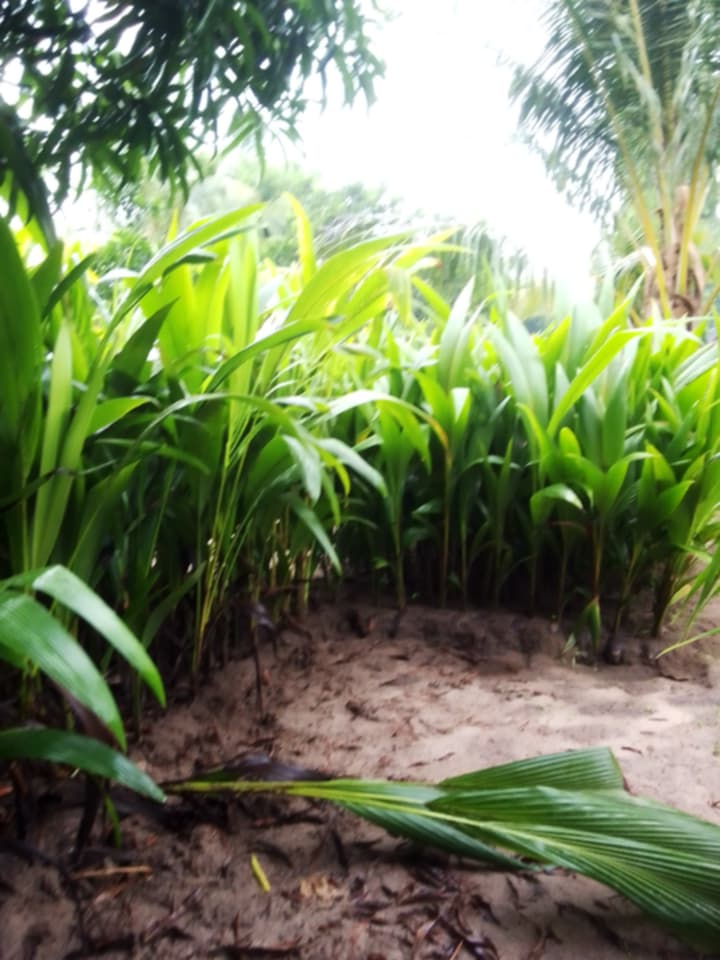
Coconut seedlings for agroforestry
Coconut seedlings sourced from the private nurseries within the community for our agroforestry plots.
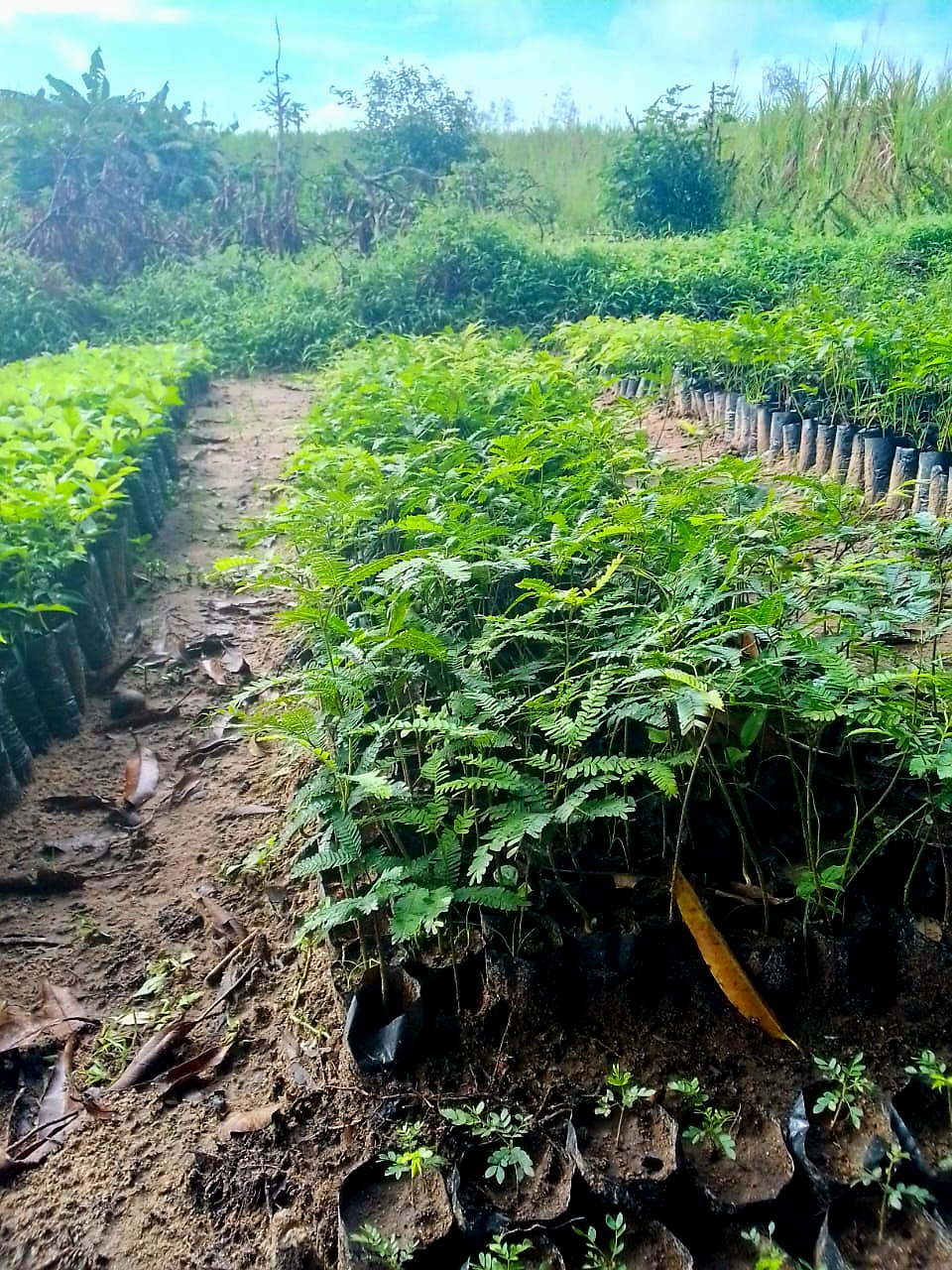
Community seedling nursery
One of the private seedlings nurseries within the community that we support consistently.
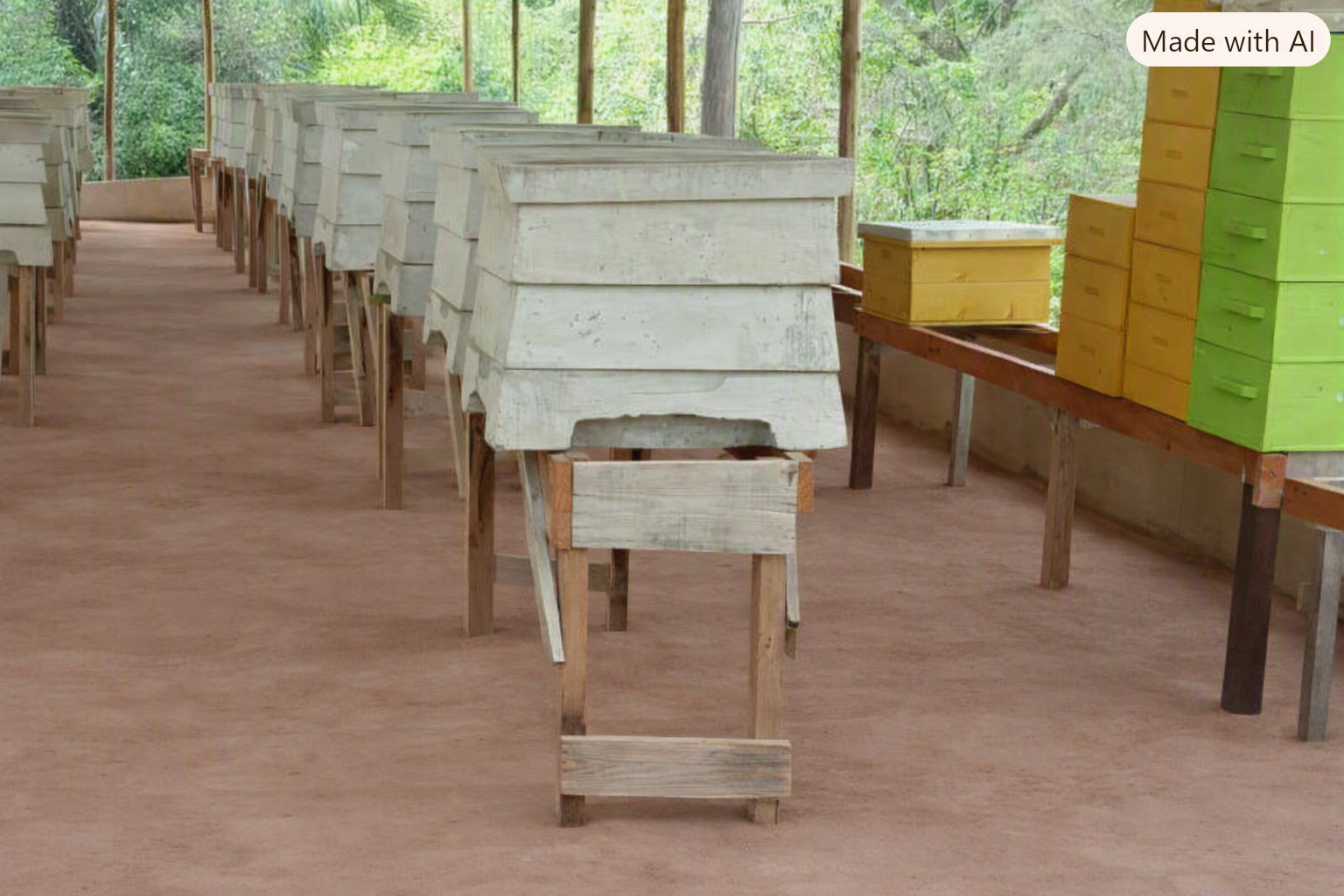
Current apiary
A section of the current apiary with both concrete and wooden hives.
Swipe to browse the Ridge.
A living laboratory
A model that others can follow.
Mkelekeleni Ridge is more than a project. It is a living laboratory for ecological restoration, community development and nature based livelihoods. It demonstrates how privately initiated restoration can evolve into a community led landscape model, integrating ecosystem recovery, livelihood creation and long term research.
Through the Mary Munei Foundation, this initiative invites strategic partnerships and catalytic funding to scale its impact — offering a credible, grounded and replicable approach to climate resilience, ecological restoration and community transformation across Kenya and beyond.
Partner with this project